
En Route puts authenticity at heart of airline menu development
This is a special feature from the November 2026 Middle East, Asia & Africa issue of PAX International, on page 28.
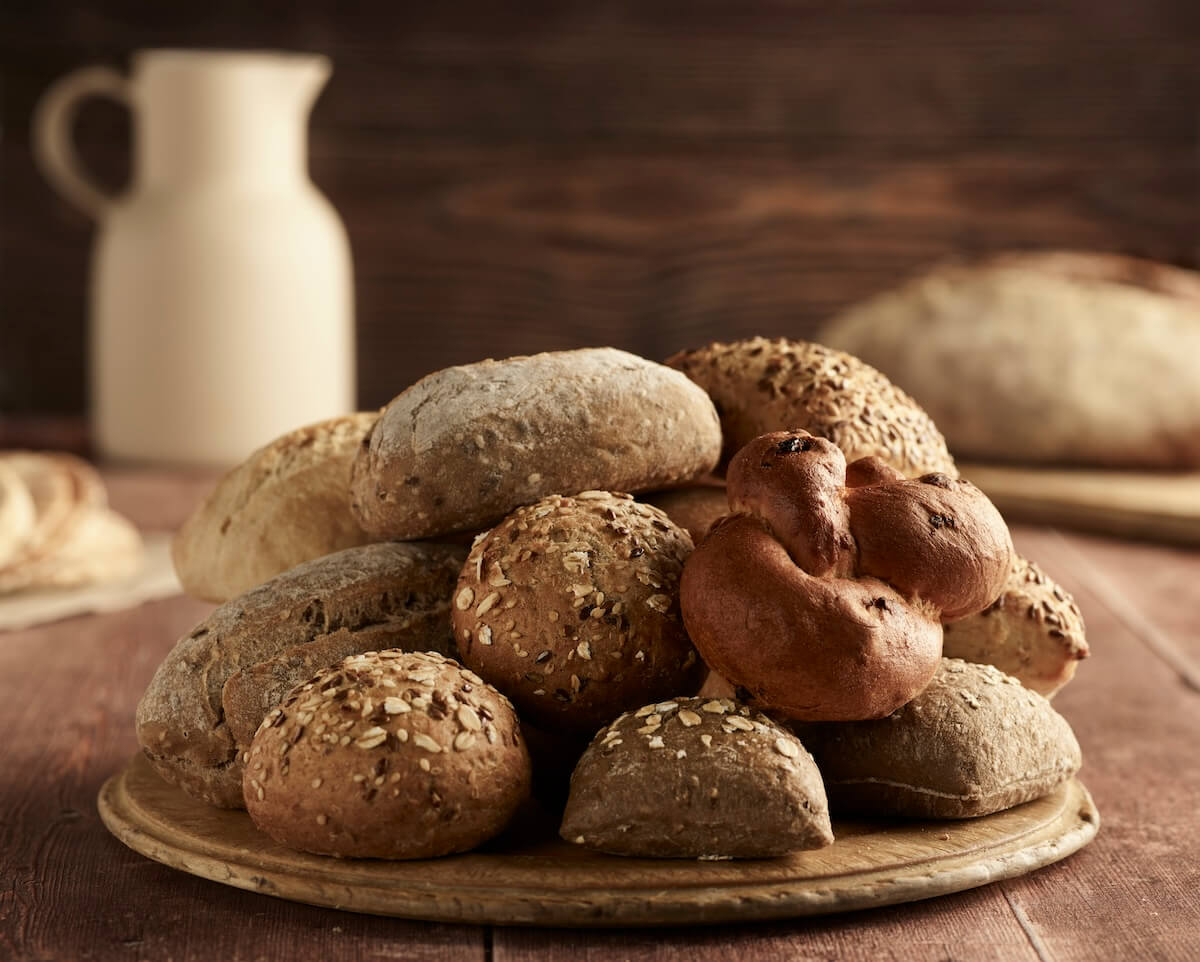
Quality ingredients help create a memorable onboard dining experience
Authenticity in a dish or cuisine is difficult to define. It is often understood intuitively, particularly by those who have grown up with a dish or lived alongside it. There is rarely a single, documented and uncontested version of any recipe. Ask 10 families how they make a particular dish and there will likely be 10 answers, each considered the right one.
“Food carries more than flavor. History, culture and geography all meet on the plate, and together they shape what a dish is and what it means to the people who prepare and eat it,” explains Matthew Wood, Head of Food, APAC, En Route. “Yet no cuisine stands still. Migration, trade, changing tastes, new technology and the arrival of new ingredients and techniques have always influenced how dishes are made. Tradition is something that evolves.”
For this reason, En Route sees authenticity as less about following one recipe to the letter and more about understanding what makes a dish what it is, and making sure that comes through.

Matthew Wood, Head of Food, APAC, En Route
From the kitchen to the cabin
The challenge in developing food for airlines is to preserve the integrity and character of a dish while ensuring it works within a specific operational environment. A dish cooked at home or in a restaurant kitchen may need to be adapted, sometimes significantly, to be produced at scale and served in the air.
“Before any adaptation can begin, we need to identify the attributes that matter most. That means researching the dish in its various versions and forms, the ingredients that define it, the preparation styles and techniques used, and the flavor profiles and seasonings most closely associated with it,” says Wood.
This research sets the framework for a concept recipe. From there, En Route shapes development around the customer's brand, passenger demographics and expectations, regional preferences and the intended eating experience.
“Innovation starts with an informed culinary concept, not the other way around,” Wood emphasizes. “Collaboration is, naturally, central to the process.”
Working closely with its manufacturing partners and seeking out new partners with experience and expertise in a particular cuisine brings knowledge to the table that cannot be replicated through research alone, he says.
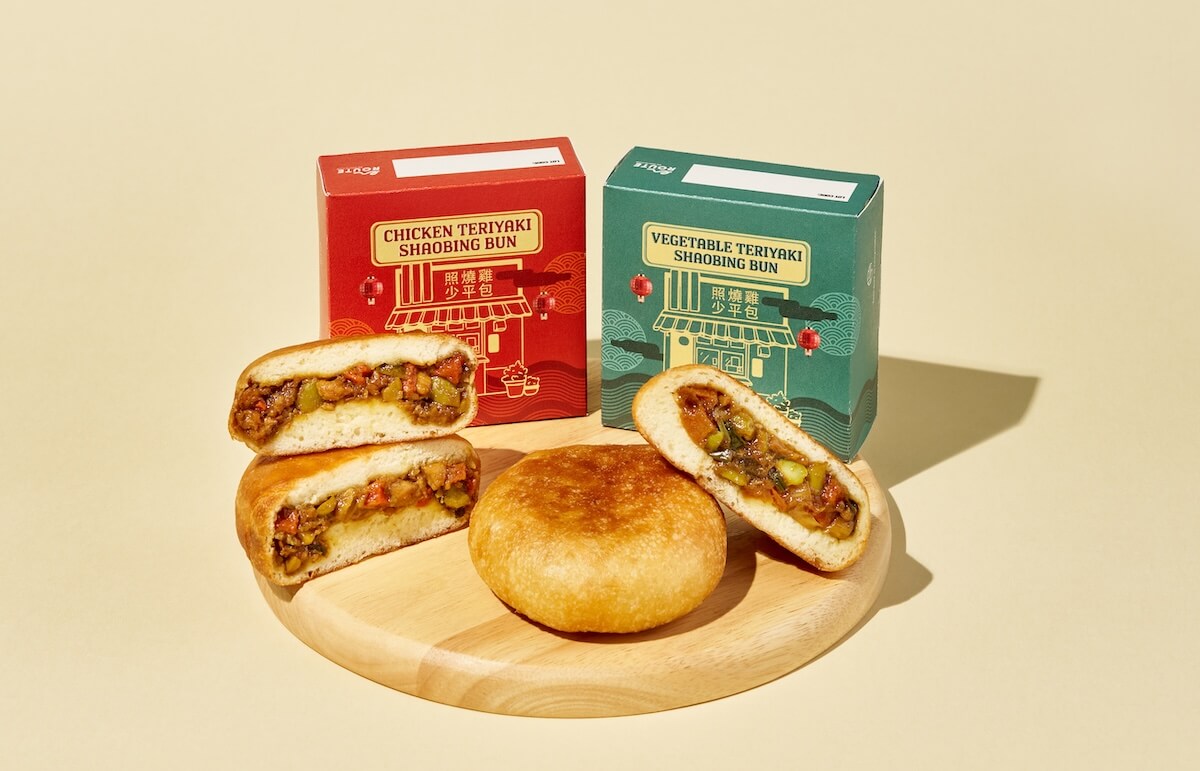
Thoughtful recipe development preserves a product’s character while allowing room for innovation
Delivering on the name
Wood says passengers bring their own expectations to the food served onboard.
“There is a clear difference between a thoughtful adaptation of a dish and one that simply borrows its name,” he explains, adding that the product needs to deliver on what it says it is. Specifically, it does not need to replicate a specific recipe, but the qualities that define the dish should be obvious to anyone who knows it.
“Authenticity does not stand in the way of creativity. Because food is always evolving, there is always room for new ideas and different approaches. What matters is that innovation is built on an understanding of the dish, rather than losing sight of it,” he says.
Balancing the ideal with the practical
In airline catering, practical changes are a necessary part of the process. Production requirements, convenience and cost all must be considered alongside the culinary ideal. These factors are part of the brief, but they should not be allowed to compromise the eating experience. For En Route, the aim is to find solutions that respect both.
That balance is where much of the skill in its work lies. A change to an ingredient, a cooking method or a component can be made in a way that protects the character of the dish, provided the team understands what that character is in the first place.
“Ultimately, the goal is to develop food that is enjoyable, recognizable and commercially viable, while remaining true to the culinary idea that inspired it. When that is achieved, passengers are not simply eating a meal on board. They are experiencing a dish as it was meant to be understood, wherever they happen to be,” Wood says.
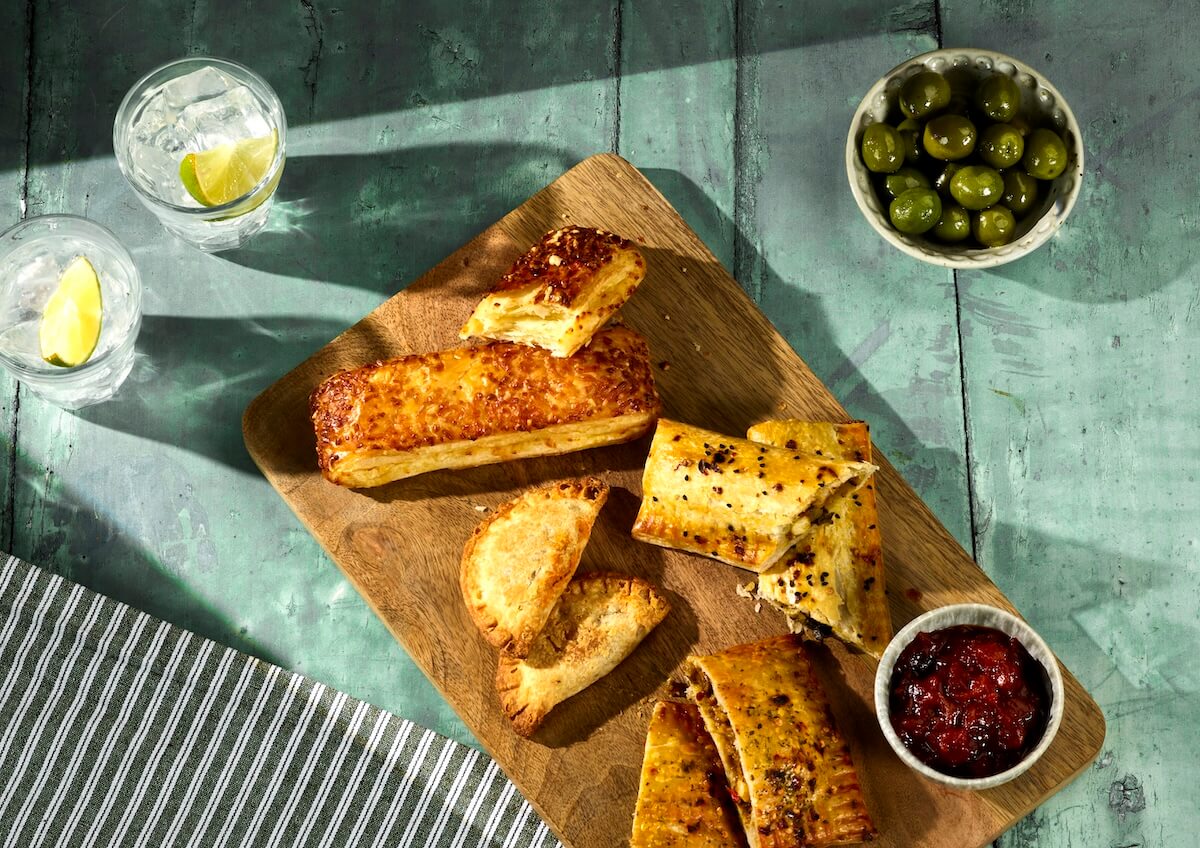
En Route balances culinary authenticity with the practical demands of airline catering
