
Snackbox To Go sharpens onboard snack strategy with data
This is a special feature from the September 2026 IFSA Global EXPO issue of PAX International, on page 44.
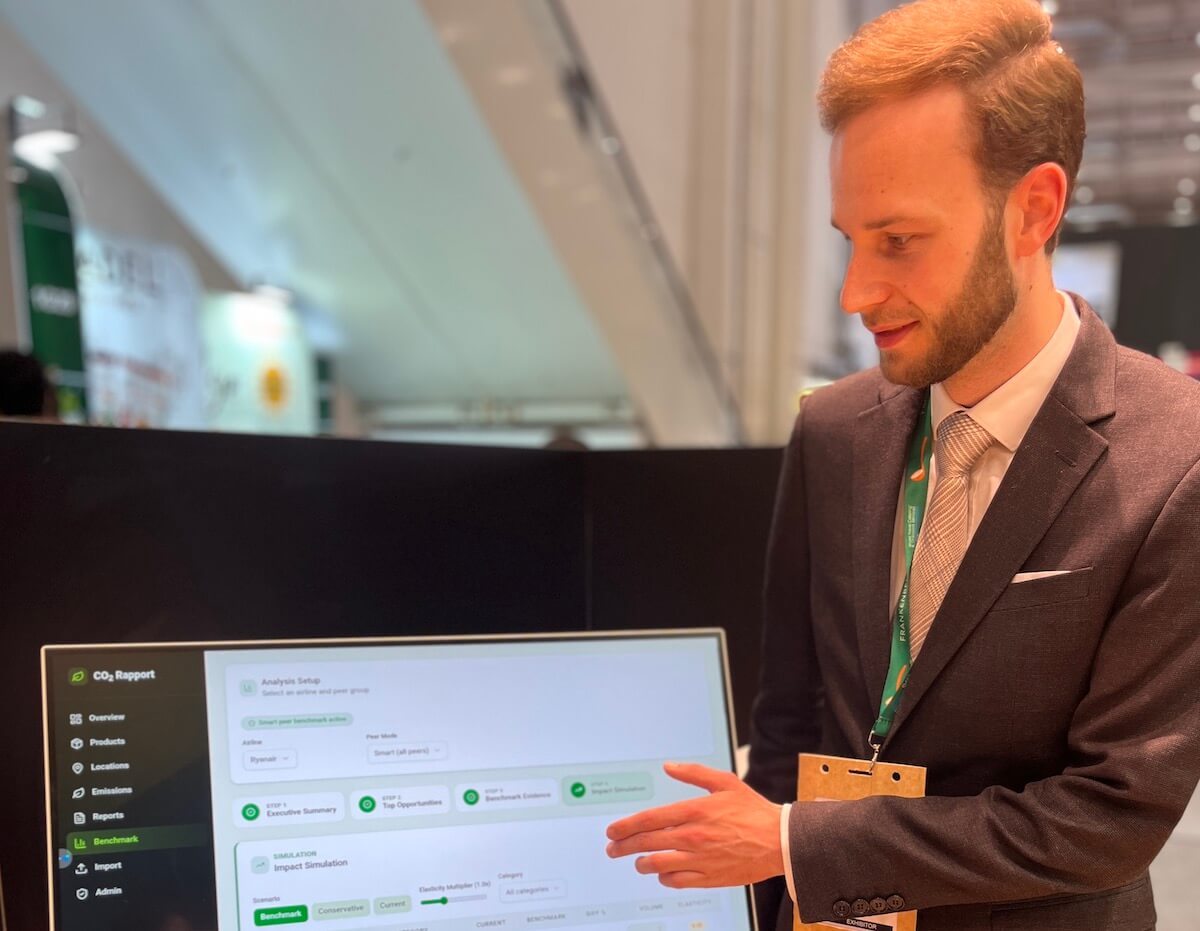
David Verschuure, International Sales Manager, Snackbox To Go, demonstrates the BoB Benchmarking Tool at WTCE 2026
A recipe, a specification, a shelf life and a price. At first glance, it seems onboard snacks do not have much to do with technology. But as David Verschuure, International Sales Manager at Snackbox To Go, tells PAX International in an August interview, there is a lot more to it.
“An onboard snack is never judged in isolation. It must survive an international supply chain, perform in a galley, taste right at altitude and contribute to the experience an airline wants to create,” he says.
Sometimes it needs to generate revenue. Sometimes it is offered complimentary and becomes one of the few tangible moments of hospitality during the flight.
“In both cases, a small product can have a surprisingly large influence on how passengers perceive the airline,” Verschuure explains.
To support its airline customers, Snackbox To Go has spent the last two years incorporating technology and intelligence as the foundation of its innovations and customer advice and quotes.
“Incorporating technology and intelligence helps us understand how products perform onboard, how airline propositions are evolving and where improvements can be made before a product reaches the passenger,” Verschuure says.
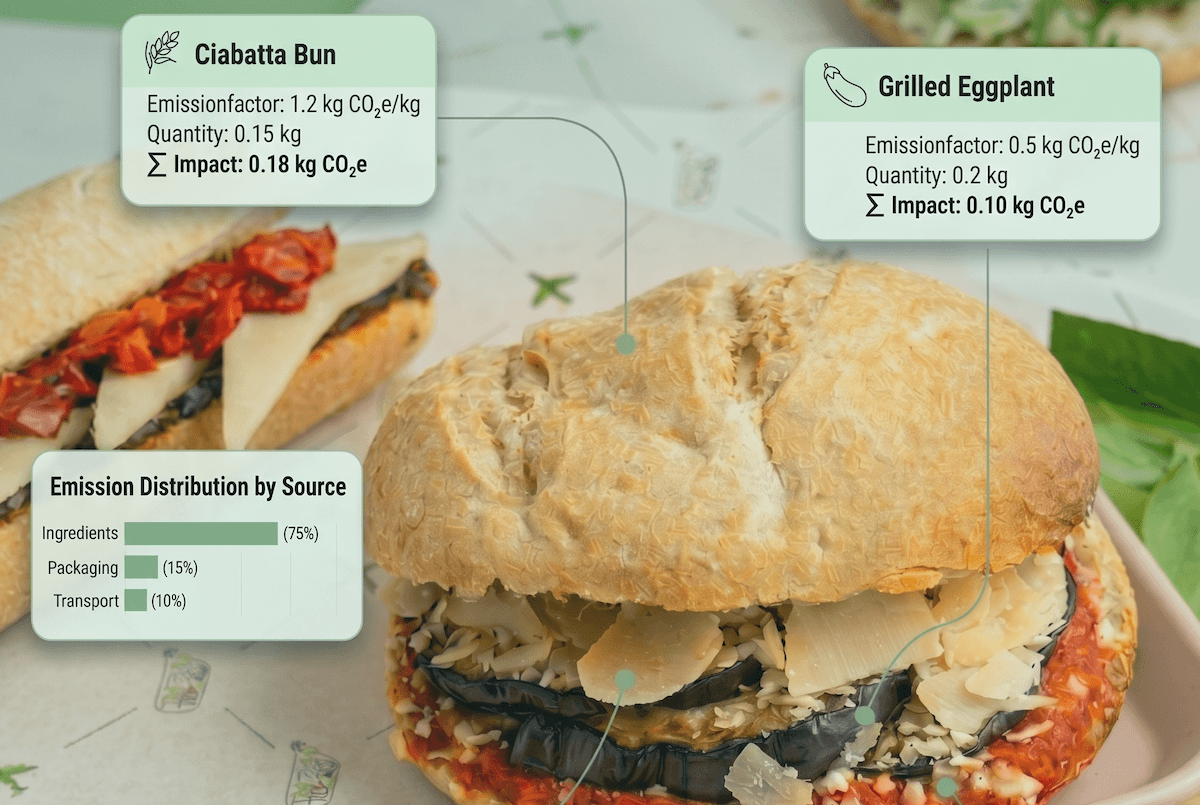
Every product supplied by Snackbox To Go carries a calculated CO₂e footprint via its Carbon Footprint Monitor and Sustainability Reporting Tool
Headstart with a hypothesis
Low humidity, cabin pressure and constant background noise influence the way passengers experience flavor inflight. A product that feels balanced during a standard tasting may lose aroma, intensity or overall balance once served at altitude.
Snackbox’s sensory intelligence reports highlight that gap for an individual product. The technology reveals which flavor characteristics may recede, which may become more prominent and where seasoning, texture, fat content or filling ratio may require attention.
“The report does not replace physical testing. It gives product development a stronger starting point,” Verschuure says. “Instead of beginning with a blank sheet, we begin with a hypothesis. That helps us develop faster, test more purposefully and create products specifically for the environment in which they will be consumed.”
Reading the buy-on-board market
Snackbox To Go continuously monitors the buy-on-board menus of more than 50 airlines using its BoB Benchmarking Tool, displayed at WTCE 2026. Whenever a new menu is released, it is added to the analysis.
The system allows Snackbox To Go to track pricing, category shifts, brand penetration, portion formats and the different philosophies airlines apply to meal deals and product combinations. With the data collected over multiple quarters, it reveals how the market is developing.
Verschuure provides an example. “A new concept on one menu may be an isolated experiment. When similar products appear across several airlines, it may signal a broader shift. Just as importantly, we can see which ideas disappear after a single season and which become a lasting part of the onboard offer.”
Over time, individual menu decisions become a view of the wider industry: what airlines are testing, where they are investing and which concepts appear to work.
For customers, Snackbox translates that intelligence into tailored benchmarks against selected competitors and comparable airlines. The purpose is not to copy the market, but to make better informed decisions about pricing, assortment, positioning and where there is still room to lead.
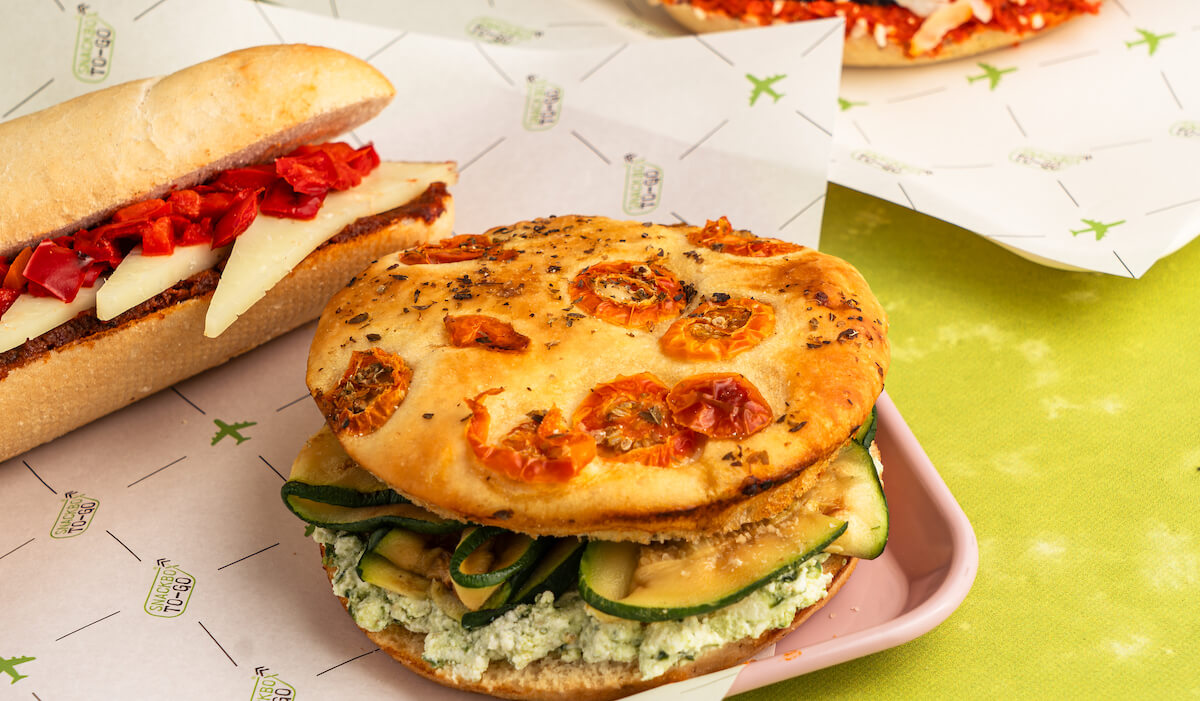
Snackbox To Go understands that inflight snacks largely influence how passengers perceive an airline
Measuring every product
Every product supplied by Snackbox To Go also carries a calculated CO₂e footprint via its Carbon Footprint Monitor and Sustainability Reporting Tool. The calculations form part of its tender responses as standard. But the number itself is not the end goal.
“By understanding the impact of ingredients, portion size, packaging and production location, sustainability becomes part of product development. Alternatives can be evaluated while decisions are still being made, rather than after a product has already entered the supply chain,” Verschuure explains.
It allows airlines to balance environmental impact with taste, cost, passenger satisfaction and operational performance.
Better information, better decisions
But Verschuure reminds the industry that technology cannot replace inflight expertise.
“A model cannot fully understand a galley. A benchmark cannot determine what fits an airline’s brand. A carbon calculation cannot decide whether a reformulation still delivers the right passenger experience,” he explains.
Those decisions still require judgement, collaboration and real-world testing.
He says this is where Snackbox To Go is evolving: from a supplier of onboard snacks into a product and intelligence partner for airlines.
“We combine inflight experience with data to create better products, stronger propositions and more meaningful moments onboard. Whether a small snack is purchased or offered complimentary—the impression it leaves is huge,” he says.
Snackbox To Go will be at IFSA Global EXPO booth 908.
