
A seamless pour: AMI Group connects lounge and inflight wine experience
This is a special feature from the September 2026 IFSA Global EXPO issue of PAX International, on page page 36.

Melissa Wittwer, Managing Director, Key Accounts, AMI Group
Every memorable travel experience is made up of carefully connected moments. For premium passengers, those moments often begin in the lounge and continue seamlessly onboard. Wine has a unique ability to connect those experiences, creating continuity across the journey while reinforcing an airline's hospitality, culinary vision and brand.
AMI Group works with airline partners to develop wine programs that complement the broader passenger experience. Its wine specialists collaborate with culinary, sourcing and logistics teams to create cohesive strategies across lounge and inflight environments, while recognizing the distinct role each plays in the passenger journey. Rather than replicating wine lists across touchpoints, the approach focuses on establishing a consistent hospitality vision designed to feel intentional from the first pour through arrival.
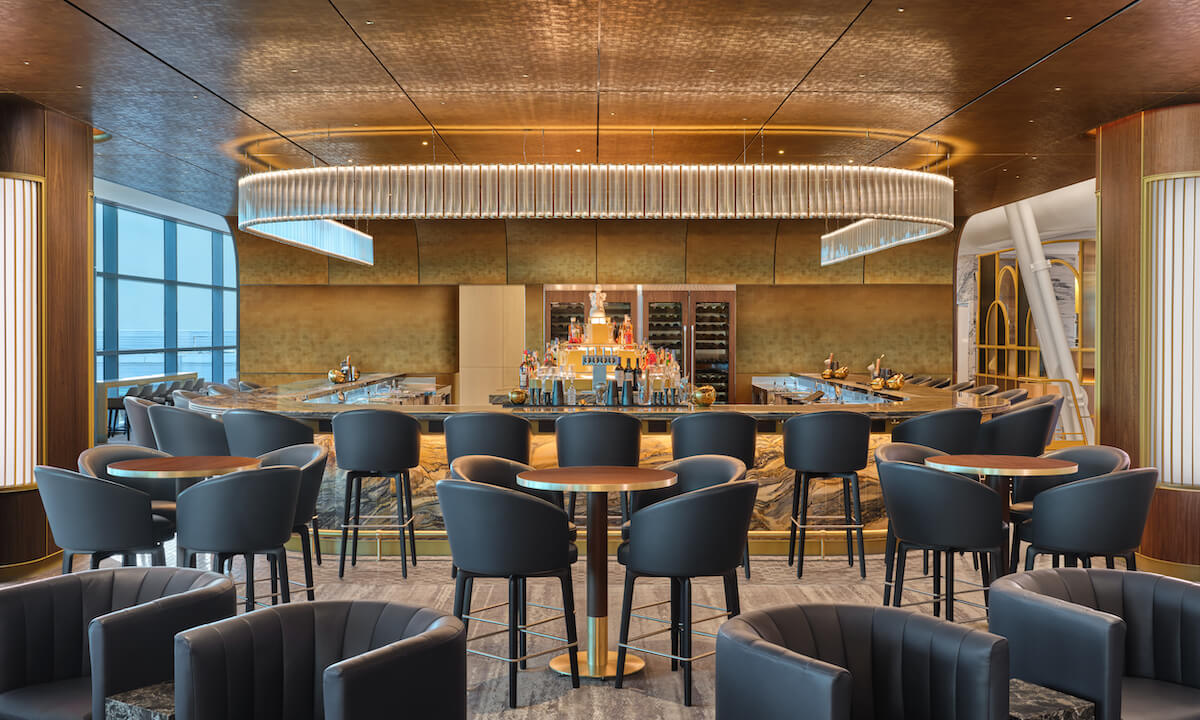
Delta Air Lines’ lounge bar sets the stage for a cohesive premium journey, with wine offerings designed to complement the inflight experience
One journey, two distinct environments
Melissa Wittwer, Managing Director, Key Accounts at AMI Group, tells PAX International that while lounges and inflight cabins are both important touchpoints in the passenger journey, they call for distinct approaches to wine selection and service. Each environment offers different opportunities to shape the experience, as well as its own operational and sensory considerations.
Lounges invite passengers to explore at their own pace. It provides opportunities for broader selection, seasonal rotation, regional storytelling and direct engagement with bartenders or service teams. A lounge program might introduce a lesser-known wine region, feature a local producer or support a culinary activation that creates a memorable first impression before departure.
Meanwhile, inflight service presents a different set of opportunities—and constraints. Wines must complement a defined menu, perform in a dry, pressurized cabin and fit within the realities of service flow, pack-out and pour size. A complex, expressive wine that shines in a restaurant or lounge may present very differently at altitude, making contextual tasting and thoughtful evaluation essential.
“The opportunity is creating continuity between these environments without making them identical,” Wittwer shares. “A producer introduced in the lounge may reappear onboard through a different varietal or vineyard. A culinary theme can begin on the ground and continue in the air. Even when the labels differ, a consistent approach to quality, discovery and storytelling helps the entire experience feel connected.”
For more than two decades, AMI Group has worked closely with Delta Air Lines on its wine, spirits and beverage programs, supporting the airline with end-to-end supply chain and distribution capabilities for both its lounges and inflight services.
"A great wine program is about more than what is served in a single moment. Our customers move seamlessly between the lounge and onboard experience, so we take the same approach in how we curate food and beverage offerings across both environments,” says Stephanie Laster, Managing Director Onboard Experience at Delta Air Lines. “By coordinating those experiences, we are able to create a more cohesive premium journey, introducing customers to exceptional wines and pairings that enhance their experience from the start of their trip to the moment they arrive at their destination.”
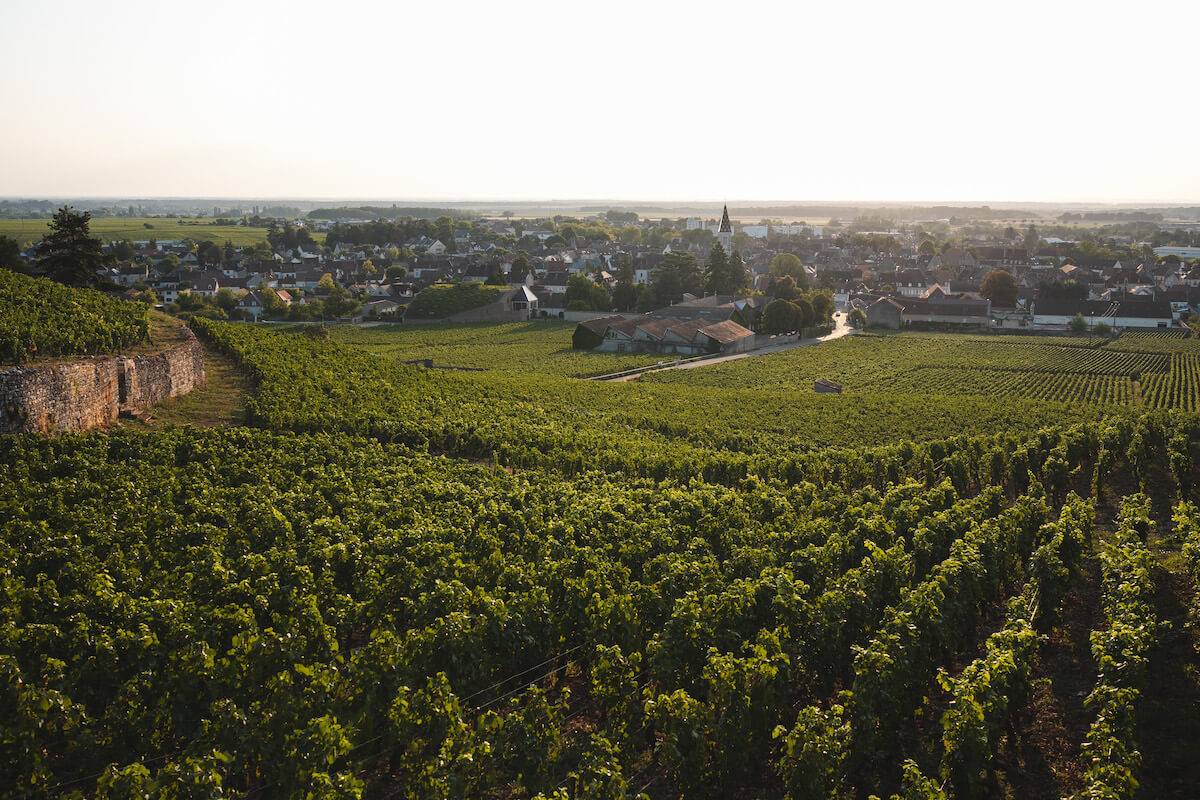
Through its partnership with Domaines Albert Bichot, AMI Group helps bring authentic producer stories to passengers through thoughtfully curated wine programs
The airline's purpose
Every successful wine program starts with listening, Wittwer explains. Before discussing regions, varietals or vintages, AMI seeks to understand what the airline wants passengers to experience.
She gives some examples: Is the program intended to convey modern luxury, celebrate global discovery, highlight a destination or create comfort through familiar producers? How should wine complement the culinary direction? Where can it elevate the journey without adding unnecessary complexity?
“Those conversations shape every recommendation. We consider the balance between classic and emerging regions, familiar styles and opportunities for discovery, selecting wines that appeal to an international audience while reinforcing each airline's unique identity” she shares.
The strongest programs are not simply collections of outstanding wines, they are thoughtfully curated solutions designed specifically for the airline, its passengers and the moments in which they will be enjoyed.
This is where AMI's integrated approach creates value.
“Our wine expertise, culinary design capabilities, supplier relationships and global sourcing network come together to evaluate every wine within the context of the overall dining experience. Tasting wines alongside intended menu items allows our teams to assess acidity, texture, fruit, tannin, sweetness and intensity as one complete composition,” Wittwer says.
Every recommendation is evaluated not only for guest appeal, but for its ability to perform consistently across a global airline network.
Selections turn scalable solutions
Selecting the wine is only the beginning. A successful airline program may span hundreds of daily flights, multiple lounges, numerous catering kitchens and several distribution channels. Each wine must be supported by dependable production, appropriate volume, vintage continuity, regulatory compliance and a supply chain capable of delivering the right product to the right place at the right time.
Wittwer says AMI considers those operational realities alongside quality from the very beginning.
“Our teams work closely with wineries, importers, distributors, caterers and airline partners to align forecasts, manage transitions and anticipate potential challenges before they arise.”
She says that bringing together every stakeholder allows innovation to remain practical, scalable and consistent while giving airlines confidence that exceptional passenger experiences can be delivered across a global network.
The timeline and cadence also differ by channel. Lounge programs create opportunities for shorter rotations, regional features and timely activations, while inflight programs often require longer planning horizons and greater operational scale. Looking at both together helps identify where producer stories can be shared, where portfolios should remain differentiated and how allocations can be managed most effectively.
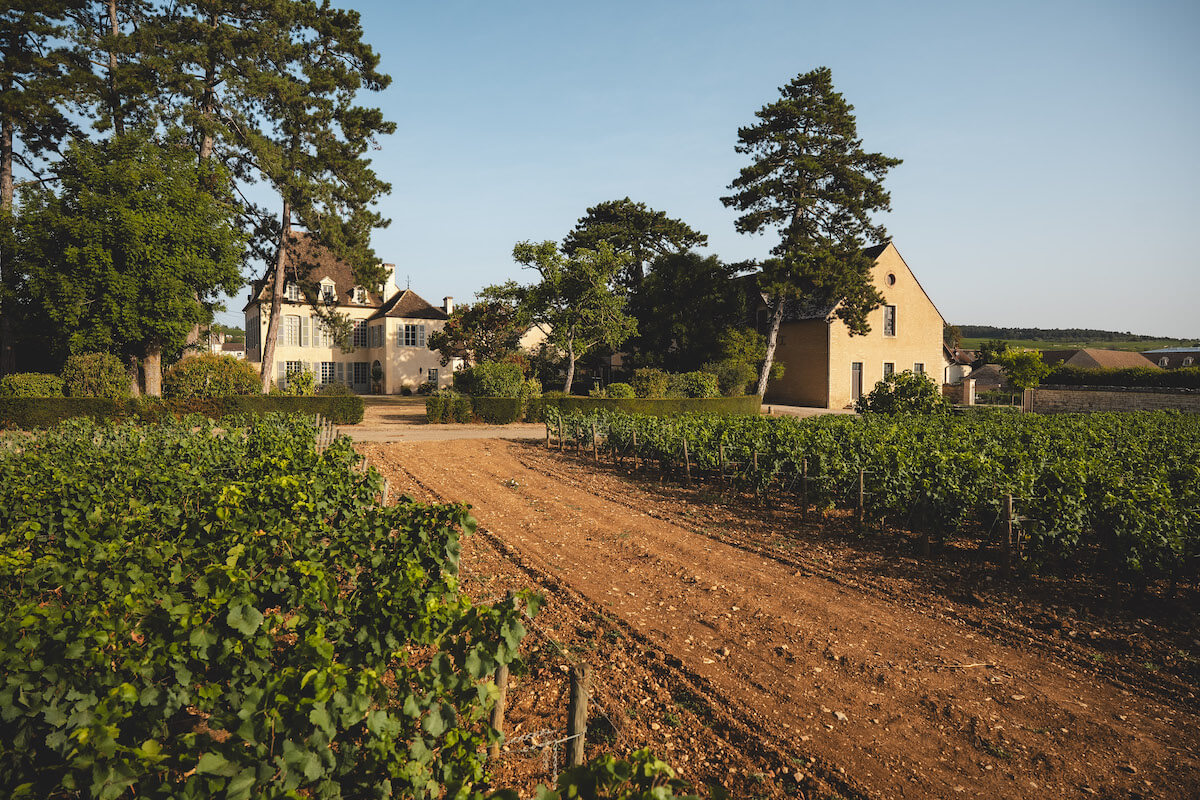
Domaines Albert Bichot brings generations of Burgundy winemaking heritage to the airline experience, giving passengers a taste of the story behind the wine
Bringing the story to life
Wittwer shares that passengers increasingly value the story behind what they are served.
“A family-owned estate, an unexpected wine region, sustainable vineyard practices or a meaningful connection to the route can transform a glass of wine into a memorable part of the journey,” she says.
AMI works alongside producer partners to bring those stories to life through concise menu language, crew and lounge education, guided tastings and brand activations designed specifically for the travel environment.
But the most effective storytelling is grounded in authenticity.
“It provides passengers with just enough context to appreciate the selection while allowing the wine and hospitality to remain the focus. It also creates meaningful opportunities for wineries to connect with a global audience in an environment where discovery is naturally part of the travel experience,” Wittwer says.
For AMI, the approach reflects a partnership model built around collaboration across the industry. By bringing together airline teams, wineries, culinary experts, sourcing specialists, caterers and logistics partners, the company helps navigate the complexities of global beverage programs while creating a more seamless experience for passengers.
A lasting expression of hospitality
In conversation with Wittwer, it becomes clear that AMI embraces the idea that wine has a unique ability to create a sense of occasion. It can mark the beginning of a journey in the lounge, complement a memorable onboard meal or introduce passengers to a producer they seek out long after arrival. When lounge and inflight programs share a common purpose, each glass builds on the next, creating a premium, connected experience. Continuity, not uniformity, is what creates a unified wine strategy.
Wittwer summarizes AMI’s role saying, “By bringing together culinary design, wine expertise, sourcing and global execution, we help airline partners create hospitality experiences that are distinctive, operationally sound and memorable from the first pour to the final approach. AMI Group proudly plays this role every day. We connect ideas, partners and expertise to deliver exceptional food and beverage solutions.”
