
Foodcase designs F&B concepts for the realities of flight
This is a special feature from the May 2026 Post-WTCE/Awards issue of PAX International, on page 36.
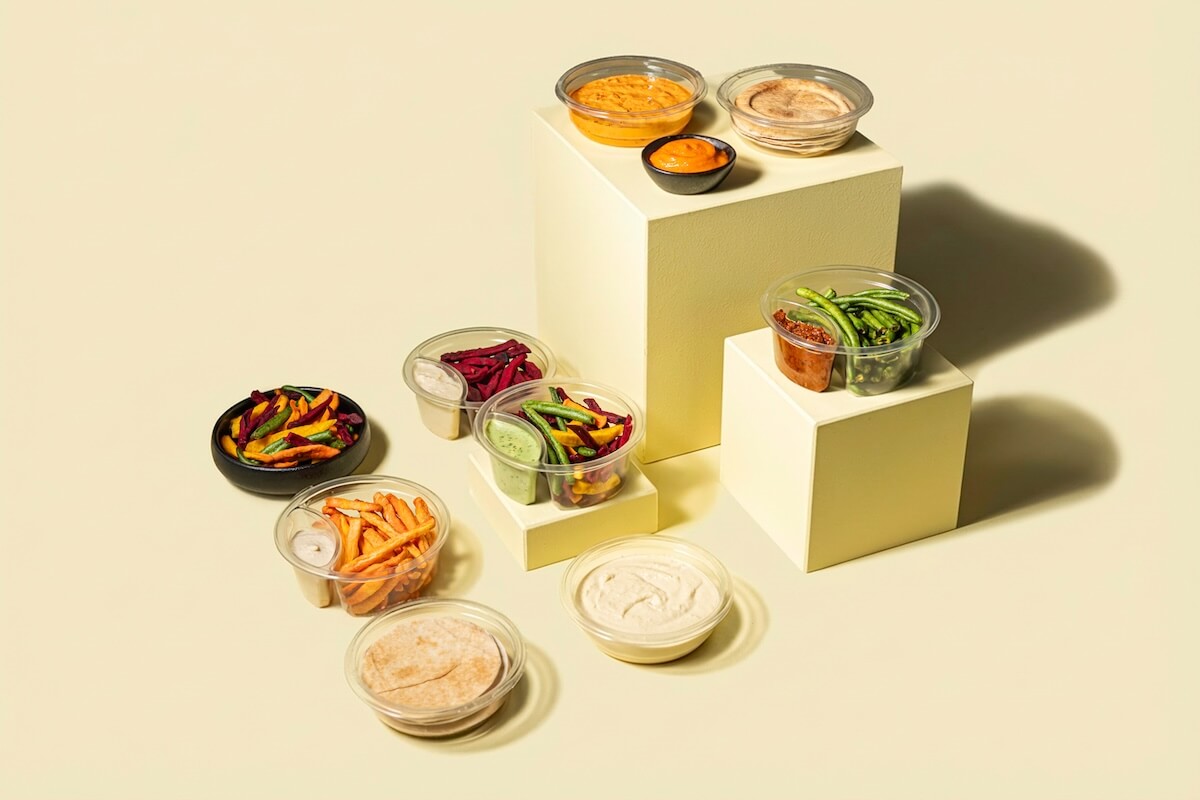
Foodcase International’s concepting process transforms onboard challenges into tailored meal, packaging and service solutions designed around each airline’s brand, cabin and operational needs
Foodcase International is helping airlines turn ideas into practical onboard programs supporting the passenger experience, brand differentiation and operational efficiency.
“At Foodcase, concepting is the starting point of every onboard solution,” says Iris Anna Groeneweg, Chief Commercial Officer at Foodcase International. “It is the process of turning onboard challenges and insights into practical, onboard-ready F&B concepts.”
Foodcase develops full-service concepts, menus and curated meal boxes, both ambient and frozen for either cold or hot serve, customized for to the airline’s cabin, route and service level. Each concept is created with the carrier’s brand identity, culture and operational needs in mind.
Groeneweg says the approach is becoming more important as airlines look for clear ways to differentiate the passenger experience, build loyalty and support premium fares that do not disrupt service flow.
The company designs each concept around the realities of airline operations, including galley space, storage, crew routines and handling requirements on ground and in the air. Ideas are tested through prototypes and crew trials, while packaging is engineered to fit drawers, trolleys and airline supply chains.
For hot Economy Class meals used in buy-on-board service, Foodcase uses ovenable sleeves to make handling easier for crew. For short-haul premium cabins, or airlines that do not have galley ovens, the company has developed bento-style cold meal options that deliver a full meal experience with minimal preparation. The meals can be adapted for premium service, pre-order or buy-on-board.
“Every concept is designed with execution in mind, from galley limitations to service flow and storage,” Groeneweg says.
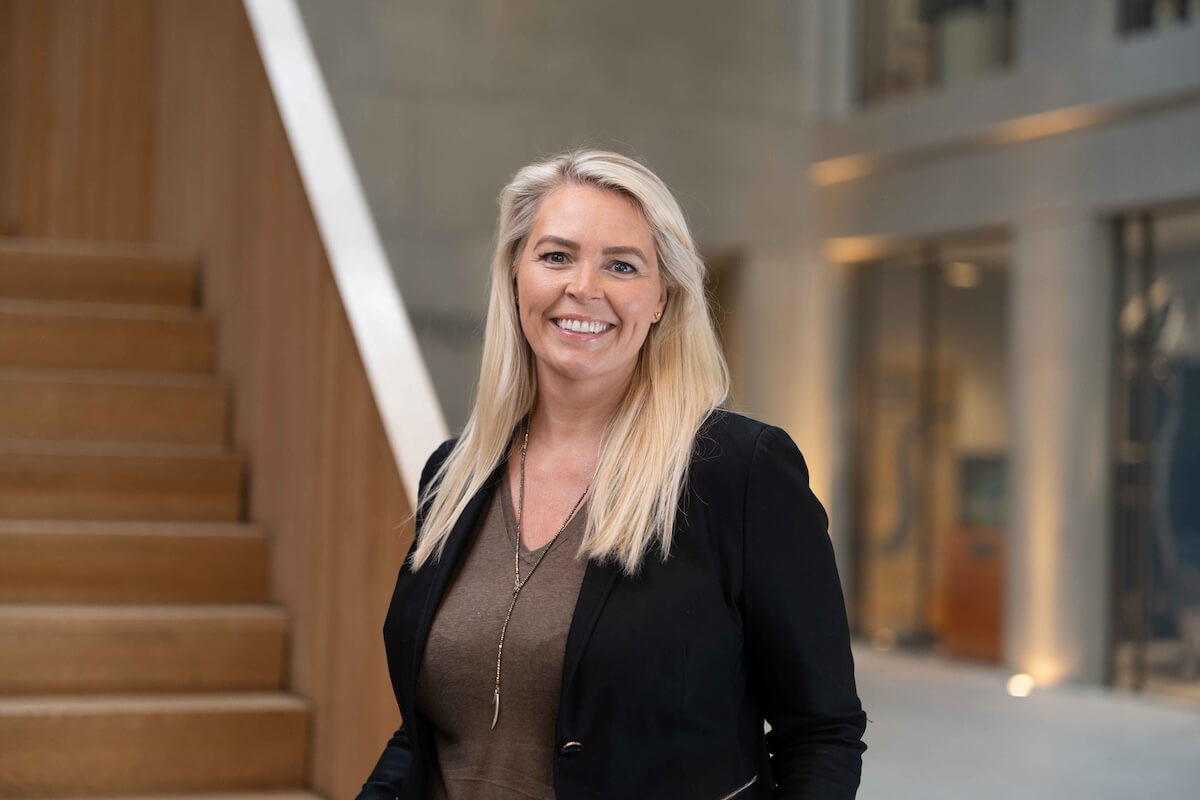
Iris Anna Groeneweg, Chief Commercial Officer, Foodcase International
Customization is also central to the company’s work. Airlines are increasingly seeking regional and seasonal menus, price-tier differentiation, allergen and special diet management, plant-forward options, recyclable packaging, cost control and waste reduction. Regulatory and customs requirements on multi-leg routes are also shaping F&B development.
At WTCE, Foodcase highlighted customized concepts created with Dutch suppliers, including solutions such as the Transavia snackbox. Groeneweg says local partnerships help airlines bring more authenticity and storytelling into the cabin while still meeting quality, cost and scalability requirements.
Looking ahead, Foodcase sees modular concept development as a key part of its long-term strategy. Mix-and-match modules for different routes, cabins and price tiers can help airlines scale offerings, control costs and roll out new products quickly. The company also sees opportunity in data-driven menus, pre-order tools, digital personalization, regional partnerships and purpose-built packaging.
