
En Route report reveals evolving passenger expectations for F&B
This is a special feature from the April 2026 WTCE Hamburg issue of PAX International on page 58.
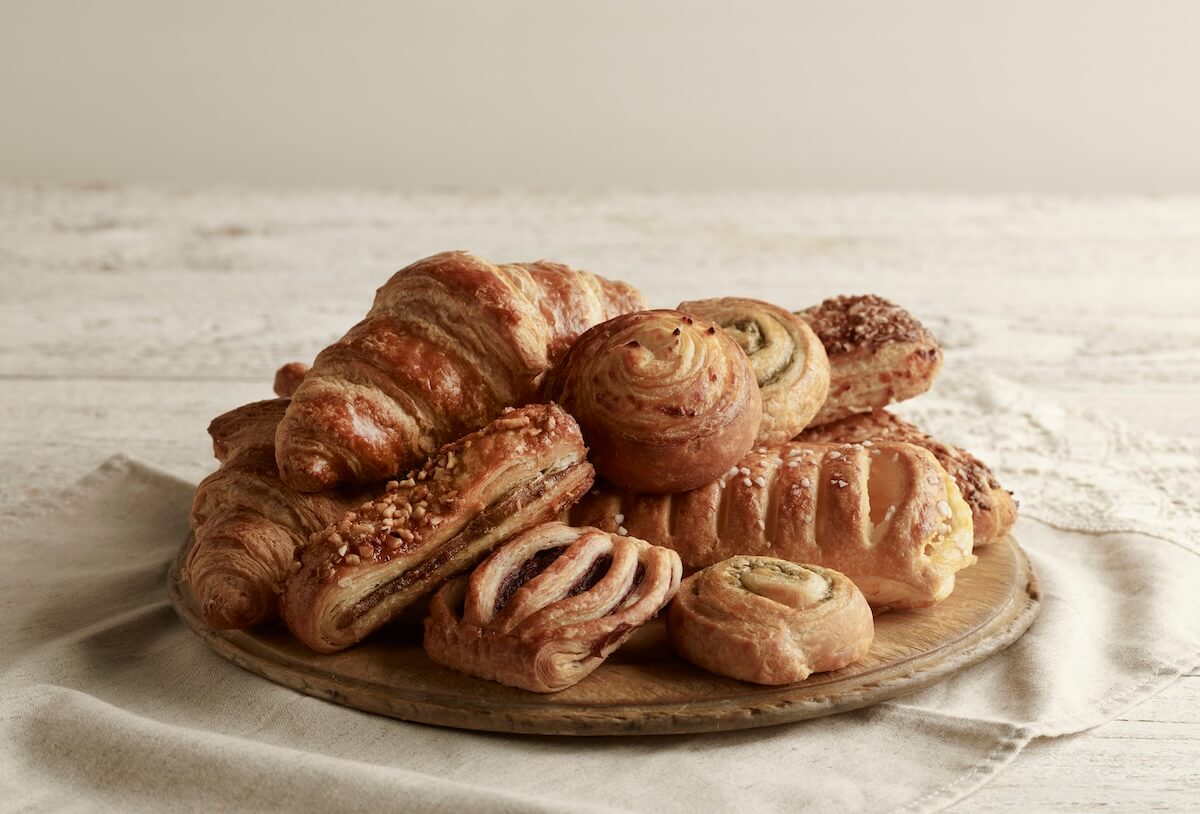
Focusing on serving high-quality baked goods is one way airlines can do the basics brilliantly, says En Route
Pleasure, authenticity, wellness and responsibility are set to define the next wave of onboard food and beverage innovation, according to En Route International’s latest trends report, launching at WTCE.
Ahead of the event, PAX International caught up with Tom Lay, Marketing and Creative Director, to explore the report’s findings and what they mean for airlines looking to elevate the passenger experience.
PAX International: Why did you develop this report?
Tom Lay: With more than two decades of experience specializing in airline food and beverage, we know it has become one of the most powerful tools for shaping the passenger experience and strengthening brand credibility.
At the same time, consumer expectations around food evolve rapidly. What people want from food today – emotionally, culturally and nutritionally – is constantly shifting.
This report was developed to bridge those two worlds. Our aim was to assess the broader cultural and behavioral shifts shaping food right now and in the coming year and interpret them through an airline lens.
Importantly, we also wanted to highlight areas of opportunity for the wider industry in a way that feels both relevant and realistic for onboard environments.

Tom Lay, Marketing and
Creative Director, En Route International
PAX International: What are the biggest shifts shaping the food and beverage landscape as we move into 2026–27?
Lay: The report identifies several key shifts shaping the food landscape.
Firstly, emotion is emerging as a major driver. Consumers are increasingly seeking emotional value from food, whether that is comfort, nostalgia or simple enjoyment. This is particularly significant during periods of uncertainty and complexity.
We are also seeing a renewed appreciation for familiarity. In previous years, reinvention and novelty drove much of food innovation, but now consumers are gravitating toward well-executed classics – dishes built on quality ingredients and thoughtful preparation.
Authenticity continues to play an important role. Provenance and regional sourcing act as signals of trust, with food that is culturally rooted or regionally inspired resonating strongly with consumers.
Finally, eating habits themselves are evolving. Traditional meal structures are becoming more fluid, leading to increased snacking behaviors and flexible formats that will influence how food is designed and served onboard.
PAX International: The report suggests consumers no longer separate indulgence from health. How is this changing the way brands approach food innovation?
Lay: The report highlights that indulgence and health are no longer seen as opposing ideas. Instead, consumers are looking for food that delivers enjoyment while still supporting a balanced lifestyle.
As a result, we are seeing a more considered approach to menu development. For example, protein-forward dishes, lighter meals that still deliver bold flavor, or products that combine indulgent taste with more nutritious ingredients.
Ultimately, it is about creating food that aligns with everyday life: something that feels enjoyable yet nourishing at the same time.

En Route says doing the basics brilliantly means focusing on well-known favorites, such as classic sandwiches prepared with premium ingredients and careful layering
PAX International: There seems to be a renewed appetite for joy and nostalgia in food. What is driving this trend and how is it showing up on menus?
Lay: Food has always had a strong emotional connection, but consumers today are increasingly turning to it for small moments of pleasure.
That is showing up in the return of nostalgic flavors and familiar formats, from classic desserts making a comeback to simple comfort foods that evoke positive memories.
At the same time, there is growing interest in sensory experiences, such as thoughtful pairings or dishes that feel indulgent but approachable.
Overall, we are seeing a shift away from overt extravagance toward simpler, well-crafted experiences that are memorable and emotionally satisfying.
PAX International: Why are well-executed classics making a comeback, and what does “doing the basics brilliantly” look like in practice?
Lay: Familiarity has always been comforting, particularly during uncertain times.
Doing the basics brilliantly is not about moving backwards. It is about elevating classic formats through quality and attention to detail. This could look like airlines focusing on serving high-quality baked goods such as all-butter French croissants, or classic sandwiches like a Club prepared with premium ingredients and careful layering. The focus is on executing well-known favorites exceptionally well.

Regionally inspired foods continue to resonate with consumers, serving as trusted signals of quality, according to the En Route report
PAX International: Authenticity and regional identity appear to be gaining importance. How can food brands communicate a genuine sense of place through their offerings?
Lay: Authenticity is closely tied to credibility for both food brands and airlines. It can be communicated through careful curation of ingredients and formats that clearly connect to culture or place, such as regional breads, traditional condiments or distinctive spice blends.
Products like ciabatta, focaccia or sourdough instantly signal heritage, while formats such as bao buns or hoisin-based dishes showcase culturally specific flavors and traditions. These details help create a more genuine sense of place within a menu.
PAX International: Eating habits are becoming more fluid, with mini meals and snackable formats on the rise. What factors are driving this shift in consumption patterns?
Lay: We are already seeing this shift in everyday life. Modern routines are increasingly flexible, fast-paced and fragmented, which means people are eating more frequently but often in smaller portions.
For airlines, this trend is particularly relevant among younger travelers. Handheld and snackable formats are often the preferred choice onboard – especially when they offer strong flavor options and the flexibility for passengers to personalize ingredients.
These formats also fit well with the practical realities of onboard dining, making them both appealing and functional.
PAX International: Sustainability and responsible sourcing continue to influence consumer expectations. How are these values shaping the way food is developed and presented?
Lay: Consumers are increasingly conscious of how their food is produced, and transparency is becoming more important, particularly as legislation such as the EU Deforestation Regulation (EUDR) brings greater scrutiny to sourcing practices.
Clean labels, plant-forward dishes and whole ingredients are all gaining popularity. Foods that are recognizable and minimally processed tend to build greater trust with consumers.
At the same time, clearly communicating sourcing practices and ingredient responsibility is becoming an essential part of how brands demonstrate credibility.

The En Route report highlights indulgence and health as no longer opposing ideas. Instead, consumers are looking for food that delivers enjoyment while still supporting a balanced lifestyle
PAX International: From an airline perspective, how can these emerging trends translate into a more engaging onboard dining experience?
Lay: For passengers travelling in an increasingly fast-paced world, the time spent onboard often provides a rare moment of pause. Food therefore becomes an opportunity to create small but meaningful moments of enjoyment.
Many of the trends highlighted in the report translate naturally into the onboard environment - from elevating everyday classics such as premium sandwiches and high-quality baked goods, to introducing regionally inspired handheld dishes and flexible meal solutions.
Together, these approaches allow airlines to move beyond food being purely functional and instead create experiences that are memorable and reflective of their brand.
