
Intervine on how inflight snacks move beyond hunger to support service and sustainability goals
This is a special feature from the April 2026 WTCE Hamburg issue of PAX International on page 68.
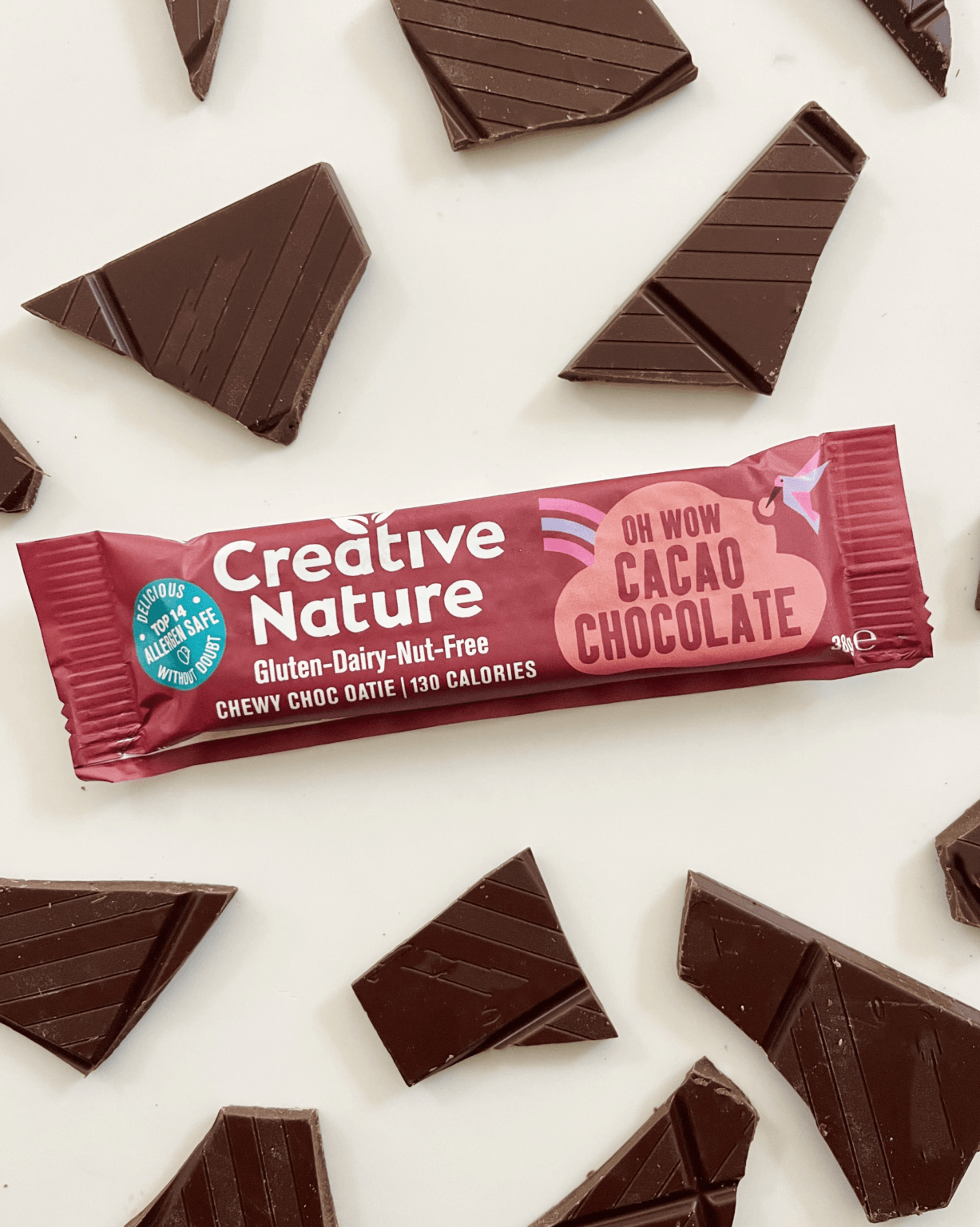
Creative Nature snack bars with clear labeling indicating they are gluten-dairy-nut-free and top 14 allergen safe help passengers and crew make decisions
For airlines, the humble snack has evolved into a strategic element of onboard service. Today’s successful selections must do far than satisfy hunger. A snack must support efficient service, maintain cabin cleanliness, meet diverse dietary needs and still deliver a sense of quality for passengers.
“Airlines balance revenue goals with operational realities,” says Amy Jullien, Corporate Vice President at Intervine. Snack programs are often structured with those priorities in mind, with assortments designed by cabin class and price point. In premium cabins, a more elevated snack reinforces the overall experience and complements beverage offerings. Jullien points to Torres Black Truffle Chips served in a U.S. airline’s premium cabin as an example of a product that pairs well with onboard wine selections and signals quality. In Economy, premium snacks as typically offered as buy-on-board items or as part of bundled meal deals.

Amy Jullien, Corporate Vice President, Intervine
Operational practicality is equally important. Snacks that crews can distribute quickly help keep service flowing smoothly. Products that can be opened easily in limited seat space or handed out in seconds are often preferred, particularly on short-haul routes where timing is tight.
Cabin cleanliness is another factor. Low-crumb, low-grease formats reduce mess in passenger areas and help minimize clean-up time for crew.
According to Jullien, packaging also plays a central role. She notes that airlines favor compact formats that cube efficiently in trolleys and use lightweight materials to help reduce fuel burn. Recyclable or compostable packaging is also becoming more attractive as sustainability initiatives expand.
Shelf stability and reliability across catering cycles are essential considerations as well. Snacks must maintain quality through long storage periods, temperature fluctuations and extended aircraft turns. Jullien notes Serious Pig grilled olives as shelf-stable example that performs well across conditions while offering passengers something different.
Flavor is another key consideration. The cabin environment can mute sweet and salty notes, so bold options, such as ramen-flavored popcorn from Nomad, can stand out more than simply salted snacks.
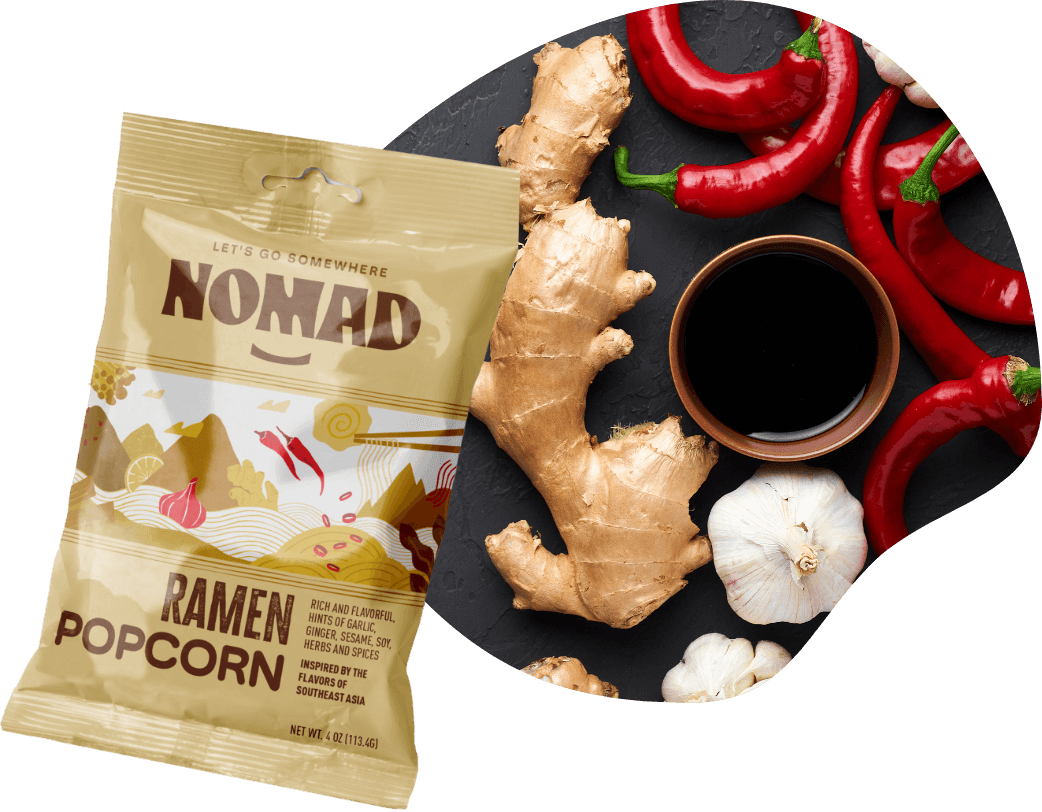
As the cabin environment can mute sweet and salty notes, ramen-flavored popcorn from Nomad stands out
Airlines are also placing greater emphasis on inclusivity. Jullien highlights Creative Nature snack bars as an example of clear labeling, indicating they are “gluten-dairy-nut-free” and “top 14 allergen safe,” to help passengers and crew make quick decisions.
Route considerations remain critical when shaping snack assortments. Passenger expectations vary significantly across markets, and airlines tailor selections accordingly. On Middle East routes, halal-certified snacks, such as Otto Snacks Roasted Turkish Chickpeas, may replace more traditional Western options.
Ultimately, the most effective snack programs combine operational ease with thoughtful product selection. For airlines, the right snack can quietly support efficiency while still delivering a moment of enjoyment for passengers, Jullien says.
