
En Route builds scalable solutions for SPML demand
This is a special feature from the March 2026 Special Meals/Pre-WTCE issue of PAX International, on page 18.

Steph Booker, Head of Technical, En Route International
As airlines expand special meal (SPML) offerings to meet evolving passenger expectations, the operational complexity behind those codes continues to intensify. From allergen control and cultural authenticity to taste at altitude and global regulatory alignment, delivering special meals today requires far more than checking a box on a catering order. For En Route International, supporting airlines and catering partners in this space is a highly coordinated, technical and hands-on process.
Speaking in code
At the heart of En Route’s role is the translation of SPML codes into a tangible product. As Steph Booker, Head of Technical at En Route, explains, “Fulfilling SPML codes means turning complex dietary and regulatory requirements into meals that are safe, reliable and enjoyable for passengers.”
This begins with defining detailed specifications for ingredients, allergens, packaging, labelling and shelf life. En Route works closely with airlines and catering partners to validate recipes and ensure that special meals meet dietary, religious and regulatory requirements without sacrificing taste, texture or presentation. The objective is consistency — across routes, caterers and geographies.
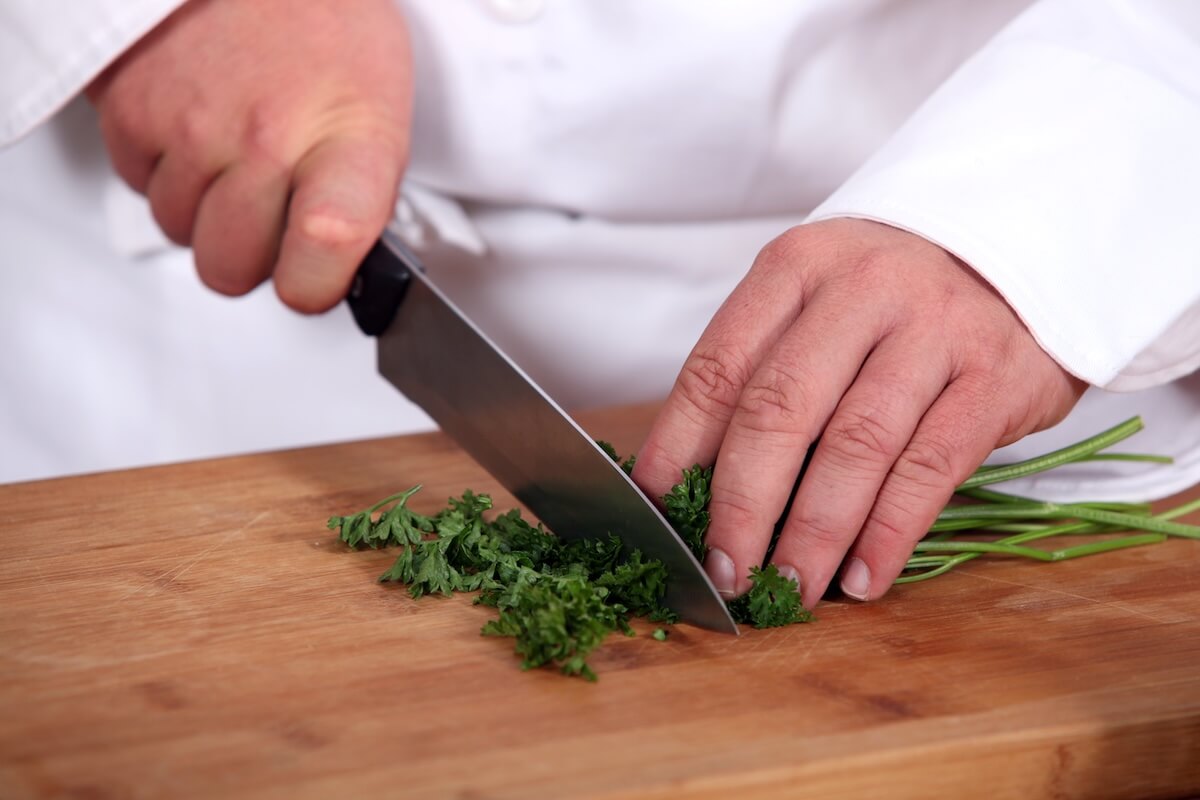
Today’s special meal landscape demands traceable ingredient sourcing, global supplier validation and rigorous allergen and dietary compliance across markets
Booker notes that the company maintains a “hands-on presence on the shop floor of supplier sites,” collaborating directly with airlines and catering partners during production. By participating in factory trials and production runs, the technical team can assess processes in real time and validate that special meal controls are rigorously implemented.
Strong segregation protocols and systematic checks underpin this work. For SPMLs — where cross-contact risks and specification deviations can have serious consequences — process discipline is essential. En Route emphasizes training and testing validations where required, ensuring that production partners fully understand and execute airline-specific briefs.
Staying ahead of dietary evolution
Growth in plant-based eating, allergen awareness and culturally specific requirements is reshaping the SPML landscape. En Route’s response is rooted in category ownership and expertise.
The company continuously tracks forecasted SPML trends and demand patterns across key markets. Route demographics remain critical with Booker explaining that while not every airline offers every SPML, understanding passenger profiles allows carriers to plan for demand.
Booker explains that insights from En Route’s technologists feed directly into collaboration with Research & Insight (R&I) and New Product Development (NPD) teams. This ensures that the portfolio evolves alongside emerging dietary movements, rather than reacting after the fact. Booker underscores that the goal is not merely to meet current demand, but to anticipate future shifts and innovate accordingly.
Compliance without compromise
Special meals frequently carry strict ingredient, preparation and handling requirements.
Booker emphasizes that “compliance and passenger experience go hand in hand.” En Route works with manufacturing partners to validate recipes and processes so that meals meet dietary and regulatory standards without compromising sensory quality. Appearance and depth of flavor are treated as core development principles, particularly given the well-documented reduction in taste perception at altitude.
The company applies a comprehensive set of controls aligned with international food safety standards and regulatory requirements, including adherence to IATA guidance on permitted and prohibited SPML items. In parallel, it ensures approved sourcing, full traceability and aligned quality standards across co-packers. Meals must be designed to travel, store and regenerate reliably, presenting consistently once onboard.
By monitoring emerging regulatory updates, including allergen guidance, and tracking developments across the broader food industry, En Route integrates proactive compliance measures into its Quality Management System. This agility is particularly important as governments continue to refine labelling, allergen and food safety requirements, Booker explains.
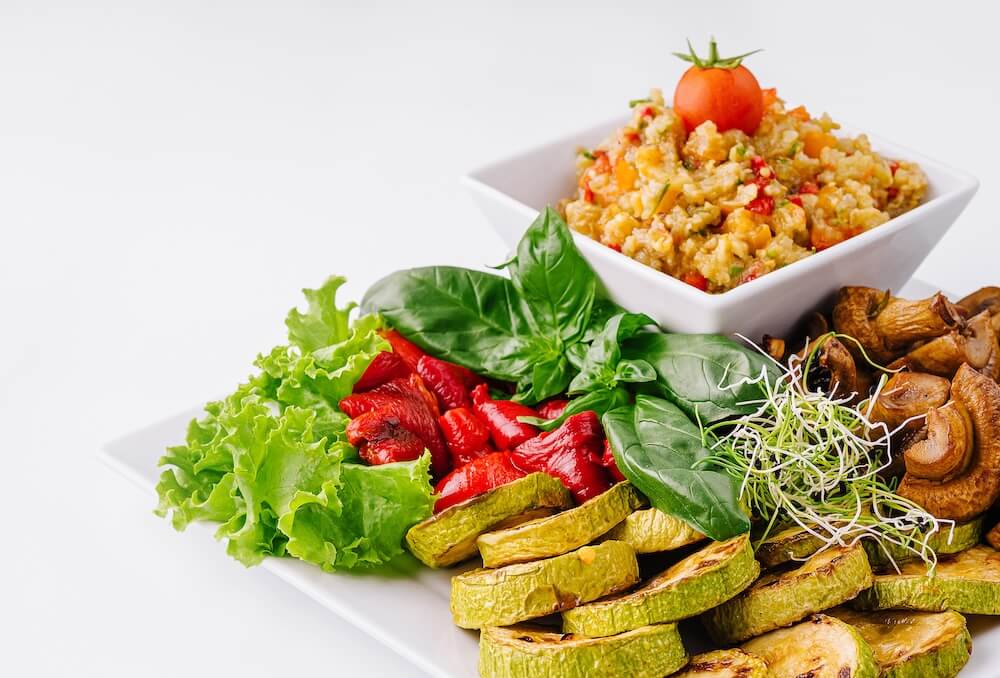
Rising demand for plant-based options, allergen awareness and culturally specific choices is reshaping the special meals landscape
Ethical standards and cultural integrity are equally prioritized. Recent refresher training in halal quality control from an approved certification body reinforces the company’s ability to accommodate diverse religious requirements while maintaining specification integrity.
From supplier to strategic integrator
As SPML complexity grows, the role of supply chain partners is evolving. Booker observes that supply chain partners are shifting “from traditional procurement to end-to-end supply chain integrators who help airlines manage growing menu complexity with confidence and efficiency.”
Today’s special meal landscape demands more than sourcing niche ingredients or adding SKUs. It requires building traceable ingredient pipelines, validating suppliers globally and safeguarding allergen control and dietary compliance across markets. In this context, supply chain partners become gatekeepers of quality, safety and regulatory alignment.
Ultimately, the complexity of modern SPML programs demands collaboration. Airlines no longer need transactional suppliers; they require partners capable of managing risk, safeguarding compliance and unlocking innovation at scale. For En Route, that means turning codes into carefully governed, thoughtfully designed products that are safe, compliant and satisfying.
