
Assaia envisions passenger empowerment through data
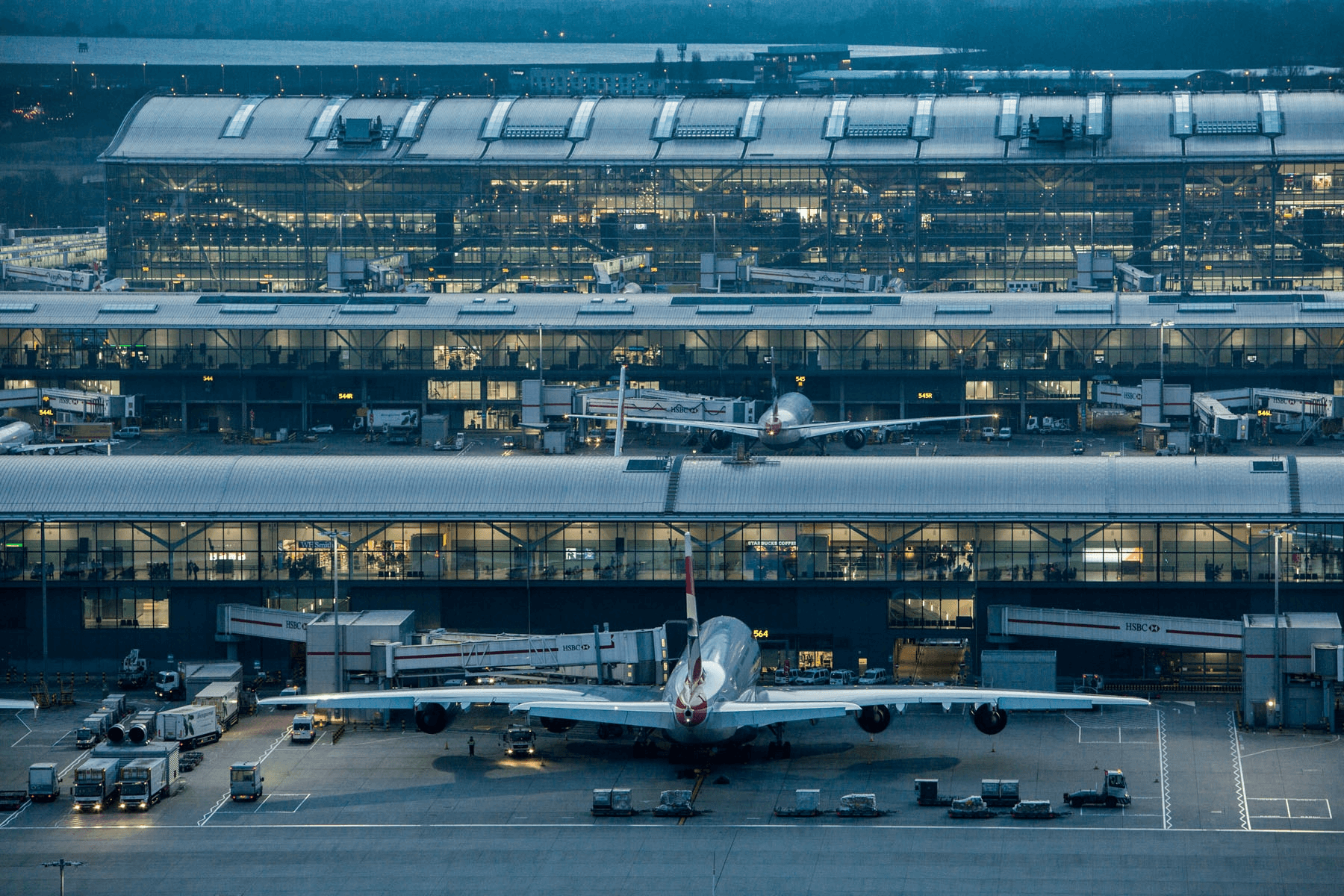
AI-powered solutions can improve on-time performance for airports and airlines
As airlines continually strive to improve the passenger experience, AI and computer vision company Assaia believes that these enhancements begin with the airport experience. PAX Tech sat down with Tim Toerber, President of Americas, Assaia, to learn about Assaia’s ApronAI platform and how it delivers insights that can help airlines improve operational efficiencies.
Toerber tells PAX, “Ultimately, the Assaia mission speaks to what a lot of airports are experiencing, specifically in North America, where they were built in the 1960s and 70s and have not been able to grow significantly since then.”

Tim Toerber, President of Americas, Assaia
He points to airports in New York, Boston, Seattle and San Diego as examples of U.S. airports with limited space to expand the physical footprint to accommodate growth.
“Assaia’s goal is to help these airports get more efficient with the limited resources that they have, specifically gate space, which is one of the more constrained resources at airports today,” explains Toerber.
Assaia is doing this primarily with a computer vision technology that leverages both existing and new cameras to manage all activities that happen during an aircraft’s turnaround.
“We often bring up the old adage of ‘you can only manage what you measure,’” says Toerber. “Historically, the turnaround activities have not been measured. We measure those activities, shine a light into operational gaps and processes to help airports, airlines and ground handlers become more efficient, safe and sustainable.”
AI-powered solutions for on-time performance
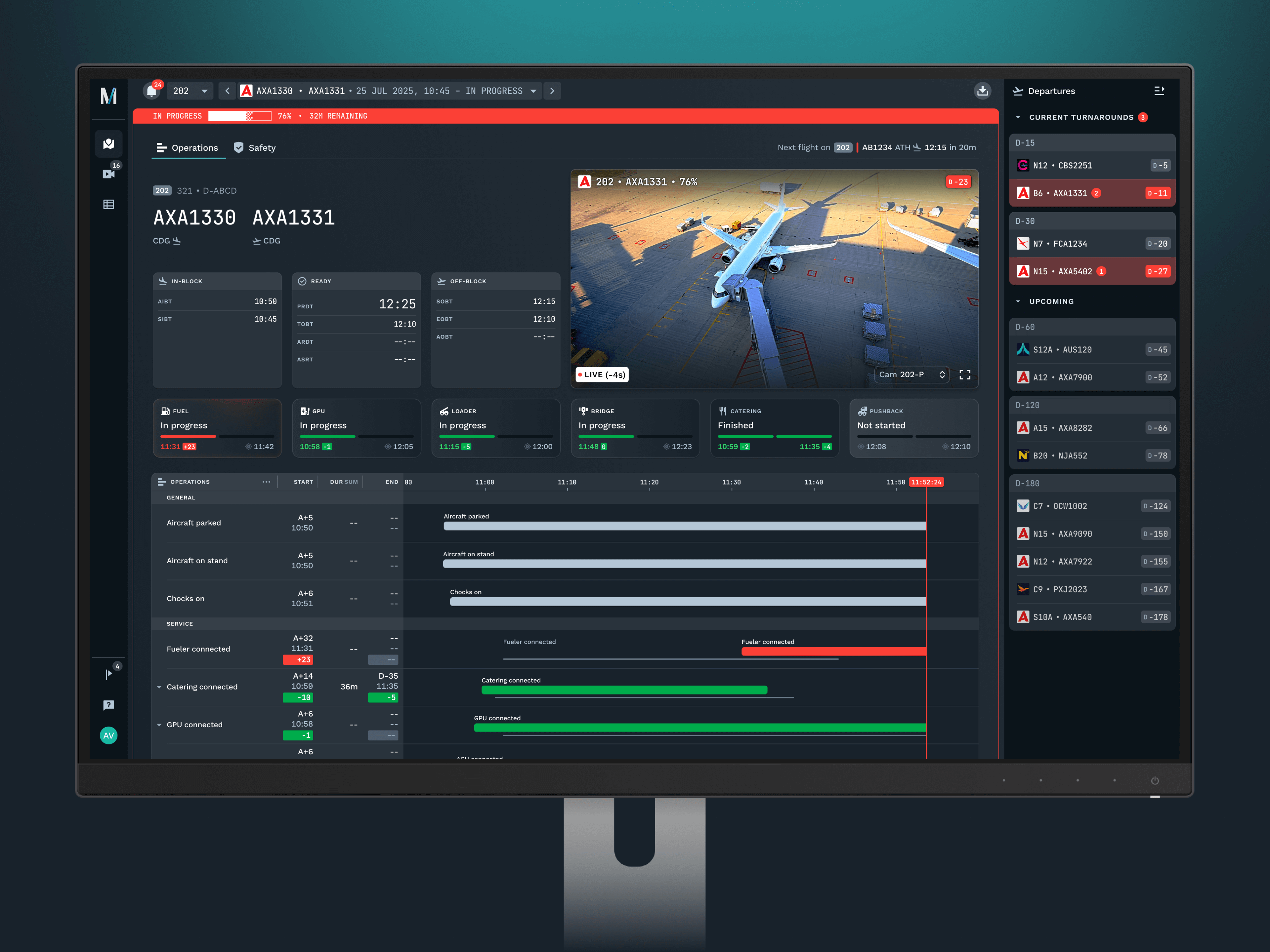
When deployed in Toronto, Canada, Assaia’s ApronAI tool indicated a 44 percent reduction in taxi time
In terms of how AI-powered solutions can improve on-time performance for airports and airlines, Toerber says Assaia’s tools ultimately contribute to these improvements by getting all of the airport staff, ground crew and airlines on the same page through live data updates.
“We take this data and create a target for when the fueling should connect, when the catering should connect, all those activities. Once you have a target out there and are making it visible to the whole team, everyone is marching to the same orders,” he says. “By creating this data, the airlines can introduce performance-based metrics with their vendors, so they build these data points into service level agreements with them.”
Toerber explains that having a baseline to measure performance stabilizes each of these processes and ultimately enables better on-time performance.
When deployed in Toronto, Canada, Assaia’s ApronAI tool indicated a 44 percent reduction in taxi time, Toerber reveals.
“That is significantly less time that aircraft are waiting to get to gates as a result of having this type of technology in place,” he notes. “Ultimately, we try to reduce that excess gate hold time, which means less time sitting on tarmacs, waiting for things to happen when you are strapped into the seat, as the passenger.”
Toerber emphasizes that the improvement of these operational efficiencies at the gate can benefit the passenger by reducing anxiety about making connecting flights and limiting the time that travelers are sitting in the cabin before and after inflight service ends.
Flight data for the future
Toerber says travelers often have the desire to get to the gate–to see that it is there and whether boarding has started yet–before doing anything else at the airport in terms of shopping or dining.
“This creates congestion and does not make for a great terminal experience,” he explains. “One of the things we would like to be able to do– and are in discussions with some airlines about– is how do we harness this prediction and give passengers the confidence that they are not missing anything yet. They can spend that extra five minutes in the lounge if they would like or they can shop in the duty-free for an extra ten minutes before they need to go to the gate.”
Assaia is working on ways to share this information beyond the airline. Toerber says passengers may benefit from knowing more about how their flight is being serviced.
This extends to post-flight communications as well, with Assaia suggesting airlines leverage data available through platforms like ApronAI to predict when a passenger’s bags will be available at the claim carousel and push this information to the traveler directly.
