
Q&A with ASF CEO Diana Cawley: Deep dive on cabin waste

The Aviation Sustainability Forum's vision for the future of inflight waste is to reduce waste and improve circularity and outcomes for inflight products
The Aviation Sustainability Forum (ASF) is growing. Established in 2019, the aim of the ASF was, and still is, to bring key stakeholders together from across the inflight supply chain to tackle the issue of cabin and catering waste, to share best practice and to work together to reduce waste and improve circularity.
Having carried out 30+ pilot cabin waste audits in Singapore in 2023-’24, the ASF, in conjunction with IATA, has subsequently established the Cabin Waste Composition Audit (CWCA) Program as the standard methodology for the measuring and recording of cabin and catering waste. This development means that for the first time, the sector now has a Standard Operating Procedure to sort, measure and record waste therefore ensuring that all stakeholders count the same things in the same way.
This standardized approach ensures accurate and consistent data capture and helps the sector ensure consistent and accurate reporting, enabling data driven decision making and robust, informed waste reduction target setting. With the CWCA Program now gaining momentum around the world and airlines and caterers signing up to participate, PAX International caught up with the ASF’s recently appointed CEO to find out more.
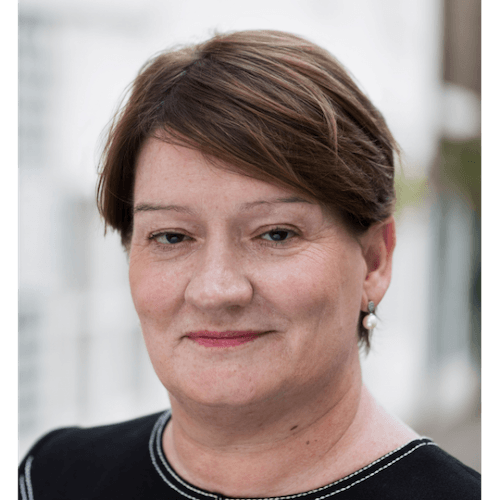
Diana Cawley, ASF's recently appointed CEO
PAX International: You’ve been working with the ASF for around a year now. Can you tell us a bit about your career path?
Diana Cawley: I come from a background in marketing and advertising, working across Europe and Asia. I was CEO and COO at an international advertising agency for many years as well as holding senior positions in retail and commerce agencies. I have always had an interest in how consumers perceive brands and how to affect behavioural change through communication and action.
PAX International: How did you get involved with the ASF?
Cawley: I have known Matt Crane for many years. We worked together in a former life! A year ago, the ASF team asked me to give an external point of view on its work to date and how it could be rolled out. The pilot audits in Singapore were complete and there was a huge amount of insightful deep data on cabin waste.
ASF wanted some guidance and advice on how to communicate the message of collaboration and the need for standardization to the industry.
Two things jumped out at me.
First, what a great idea; to quantify the problem of cabin waste through an independent audit to a standardised, globally recognised methodology. Second, the passion of the ASF team, the vision of sustainability and its genuine desire to help the airline inflight sector to reduce cabin waste. Once I started working with them, the development of the CWCA Program became a focus and I worked alongside the team at IATA to develop the Standard Operating Procedure which has now been published, and we are rolling this out across the globe.
PAX International: What do you think about the waste challenge that we face as a sector?
Cawley: It’s an ever-increasing challenge for sure. As passenger numbers grow so does the amount of waste created. There literally is no time to waste. It is also such a highly complex space with numerous, differing waste regulatory requirements in various parts of the world along with many stakeholders involved in the collection, processing and disposal of waste. Combine the time constraints of inflight crew waste segregation with the tight turnaround schedules on the ground, and finding a solution becomes increasingly challenging.
The sector must act to meet ever more demanding ESG reporting regulations. The impact of waste and Scope 2 and 3 emissions needs to be tackled by the airline industry together. This includes all involved parties—airlines, caterers and product manufacturers, airport, waste management companies, etc. The ASF offers a key tool in the sector’s move forward on waste.
The CWCA Program is a great starting point for airlines to understand the size and scale of waste and then use this data to drive change, reduction and improve circularity. We can help airlines with the reporting requirement by offering an independent, validated data set. The other benefit of this is the process usually highlights missed cost saving and recycling initiatives too.
PAX International: Do you see any progress or good practice when it comes to inflight waste management?
Cawley: Yes, many airlines are looking at ways to segregate onboard and reduce waste. Tests and programs are in progress, including recycling, SUP and food waste reduction. However, the key to effective waste reduction is understanding the scale and types of waste. Having accurate, consistent data should drive focus on where plans and initiatives can be most effective.
Airlines in the CWCA Program benefit not only from having in depth data on waste but also from the ASF analysis of the data as well as recommendations for key waste targets. Our process is evaluate, assess, change—with the emphasis on the data being key to driving informed decision making.
PAX International: What particularly excites you about the work of the ASF?
Cawley: The ASF is on a journey to influence major change. The support so far for our work has been very positive from many in the industry, with the endorsement by trade organisations including IATA and airlines enquiring and signing up to programs. It is exciting to see that change is starting to take place. We are on a mission, and we are determined to succeed.
PAX International: What’s your vision for the future of inflight waste?
Cawley: Ultimately, we want to reduce waste and improve circularity and outcomes for inflight products. Our vision is still to establish a forum where airlines and key stakeholders can come together and share information and best practice. To achieve this, we need to improve the quality of the data available on inflight waste. Our CWCA Program has made huge strides in standardizing the way we count, measure and record this waste. This allows sustainability teams to work on waste reduction from a quantitative perspective and enables reduction targets to be set and achievements celebrated.
We believe that by accurately and consistently reporting on waste, the ASF can support IATA in its efforts to harmonize global regulations for waste management and treatment of single use plastics.
PAX International: What are you most looking forward to at WTCE this year?
Cawley: We are excited to be at WTCE this year. Our Founder Matt Crane is the Sustainability Ambassador for the second time and will be moderating a great panel discussion on Tuesday April 8 at 3:15 p.m. at the Taste of Travel Theatre. The panel includes an airline that has recently participated in the CWCA Program and will be sharing its experience alongside Daniela Stange from IATA who will provide an update on industry progress in this area in general.
I will be there too, to talk about the audit program, as will Svenja Steffa from Lufthansa Industries who is extremely knowledgeable on ESG reporting and the tech developments that are helping airlines accurately provision and therefore reduce waste.
We are also delighted to be at booth 1E100 this year to meet with airlines who would like to find out more about the CWCA Program and how to sign up. WTCE is a great forum to understand recent developments in the sector and meet with existing and new partners. This gives attendees a valuable opportunity to reassess business and strategize for the year ahead.
