
FORMIA on the changing face of luxury
This is a special feature from the November 2026 Middle East, Asia & Africa issue of PAX International, on page 32.
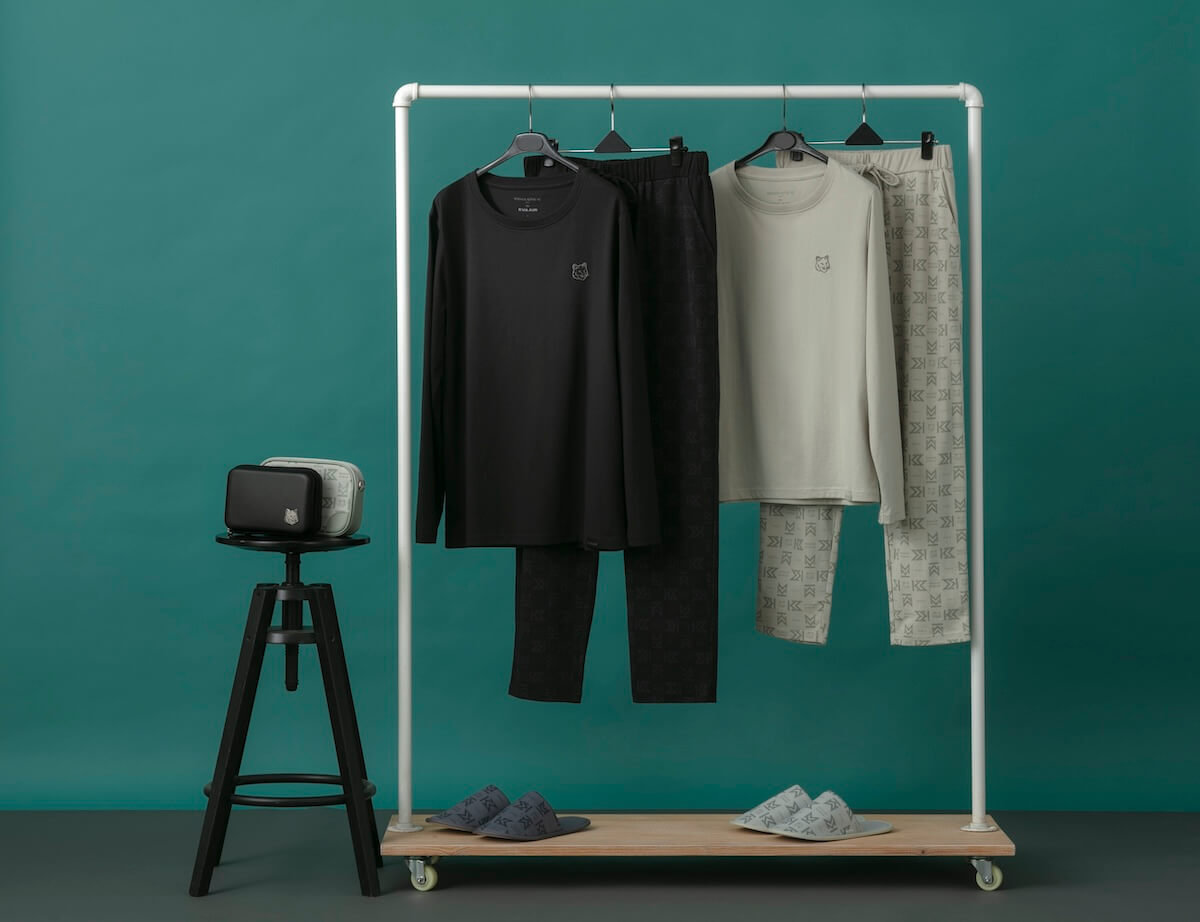
EVA Air’s partnership with Maison Kitsuné brings the French-Japanese premium lifestyle brand to Royal Laurel Class through amenity kits and loungewear
Luxury is becoming more personal. For decades, luxury was relatively easy to recognize. It was expressed through exclusivity, craftsmanship, status and the possession of beautiful things. In an interview with PAX International, FORMIA emphasizes that while these qualities still matter, it no longer tells the whole story.
Today, affluent consumers place greater value on experiences and the emotions they evoke. According to Euromonitor, more than 70 percent of affluent consumers now value experiences more than material goods, with luxury travel and hospitality growing ahead of personal luxury goods and luxury cars.
For airlines, FORMIA says, this creates an opportunity to think differently about the role brands can play in the passenger experience.
“The most interesting shift we are seeing in luxury is from thinking primarily about products to thinking about human behavior. Affluent consumers do not necessarily need another expensive object. Increasingly, they value experiences that make them feel something. Recognized, cared for, connected or simply understood,” says Wilbert De Louw, CEO at FORMIA.
“It is becoming less about ‘What did I receive?’ and more about ‘How did this make me feel?’ That is a significant change in the way we need to think about luxury in the passenger experience,” he shares.
Japan Airlines’ partnership with HERALBONY brings the work of artists with intellectual disabilities into its Business Class experience. The collaboration introduces passengers to diverse creative perspectives while giving the artists a global platform.
“We are seeing luxury move beyond traditional ideas of status to embrace greater substance. Increasingly, there is value in experiences that reflect purpose, empathy and different perspectives. HERALBONY brings that thinking into the cabin by celebrating individuality and creativity while giving artists a global platform. It shows how meaning and human connection can sit alongside craftsmanship and quality as part of a modern luxury experience,” says Marisa Pitsch, Chief Marketing Officer at FORMIA.
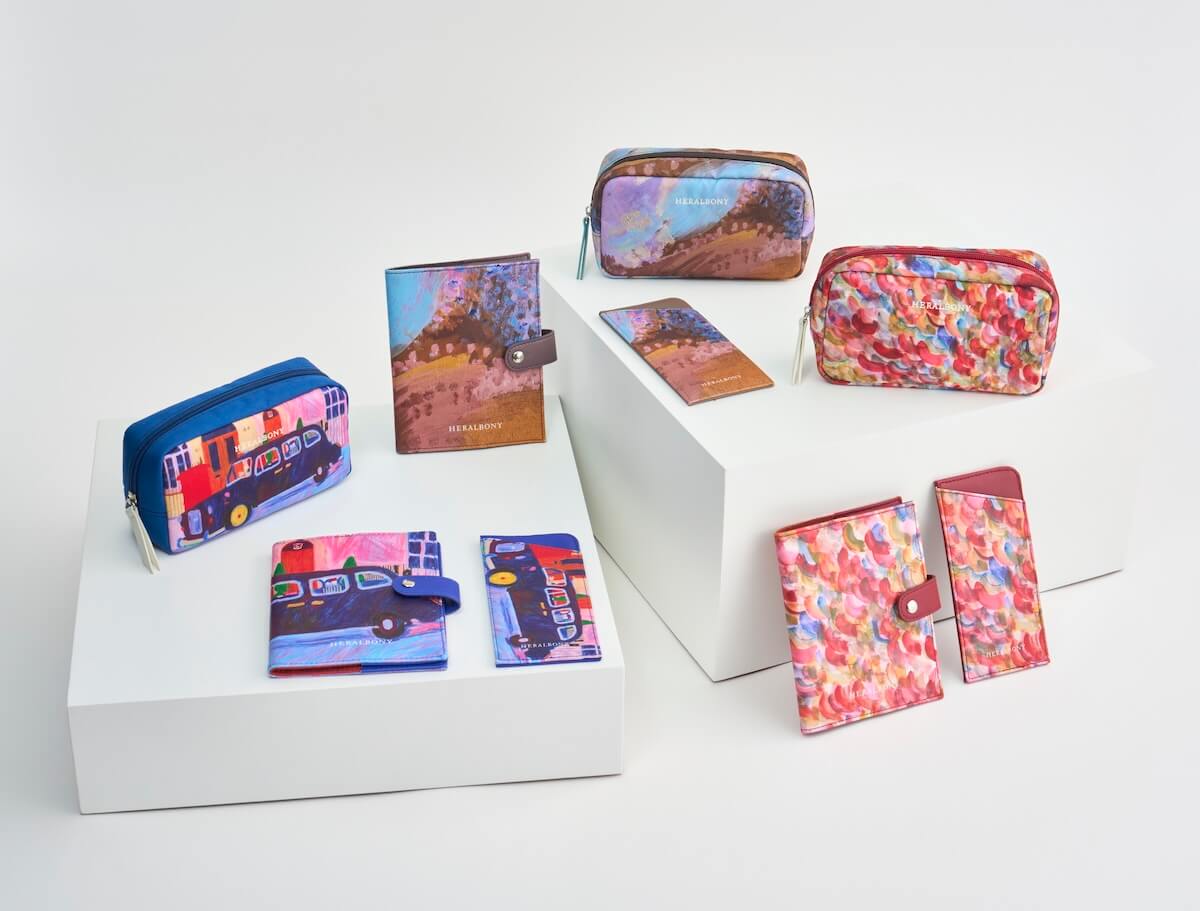
Japan Airlines’ partnership with HERALBONY brings artwork by artists with intellectual disabilities into Business Class, introducing passengers to diverse creative perspectives and giving the artists a global platform
EVA Air’s partnership with Maison Kitsuné offers another perspective. Spanning amenity kits and loungewear in Royal Laurel Class, the collaboration connects passengers to the French-Japanese premium lifestyle brand’s wider universe.
“Luxury is increasingly about the world a brand invites you into, rather than simply the product itself. Maison Kitsuné is a great example, spanning fashion, music and café culture. EVA Air was drawn to the brand’s cross-cultural values, diversity, youthful energy and playful approach to everyday life. These are qualities that reflect how luxury is becoming more personal, experiential and connected to the way people live,” says Pitsch.
There is no longer a singular definition of luxury. As passions, culture, purpose, lifestyle and personal values increasingly shape what feels meaningful and premium, a much broader universe of brands is finding relevance within the passenger experience.
“For airlines, this makes understanding passengers at a deeper level increasingly important. What do they value? What are they passionate about? What cultures, lifestyles and experiences resonate with them? Bringing that understanding together with deep brand expertise is opening possibilities beyond the traditional luxury landscape — creating partnerships with genuine relevance and meaning for the passengers experiencing them,” says Pitsch.
