
WESSCO connects premium cabin comfort with passenger recovery
This is a special feature from the September 2026 IFSA Global EXPO issue of PAX International, on page 56.
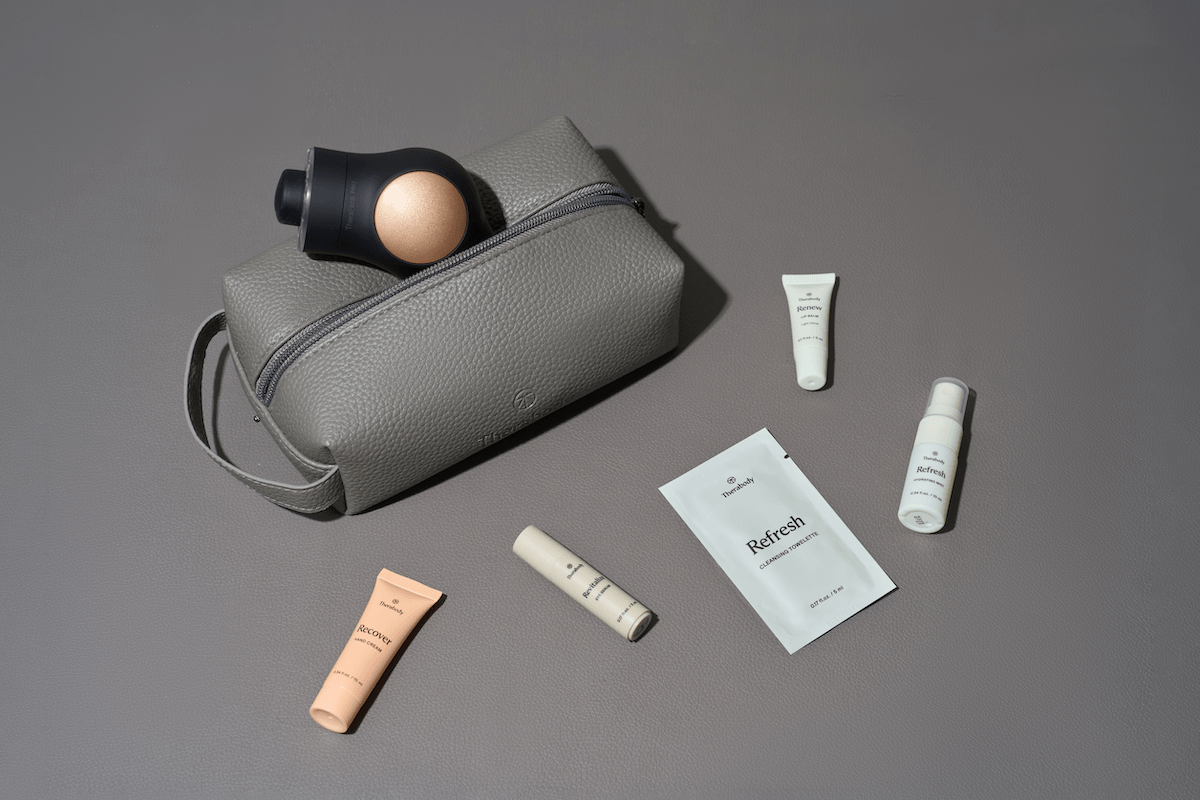
United Airlines and Therabody partnered to extend wellness beyond amenity kits, integrating recovery-focused products into the premium cabin experience
Wellness has moved far beyond a trend. For today’s premium traveler, it is an expectation.
Passengers are no longer just looking for comfort. They are thinking about how they will feel during the journey and when they arrive — more rested, more balanced, more like themselves. That shift is reshaping how airlines approach the onboard experience and opening the door for a more holistic view of amenities.
For WESSCO, this evolution has become a core focus — not as a category, but as a lens through which the entire passenger experience can be reimagined.
Outcomes over offerings
The traditional amenity kit has long been centered on essentials. Today, the conversation is shifting toward outcomes: hydration, recovery, stress relief, sleep support.
“More than 80 percent of premium long-haul travelers are looking for wellness-focused additions, with an expectation that they meaningfully support the travel experience,” says Petros Sakkis, CMO at WESSCO, reflecting a broader shift toward more relevant, experience-driven amenity design.
Meeting the demands of travel
Air travel places unique demands on the body, from dehydration and fatigue to digestive disruption and muscle stiffness.
JetBlue’s Mint Wanderfuel amenity kits reflected a more targeted approach. Instead of a single standardized kit, the program introduced four variations designed around different travel moments: Awake for morning flights; Flow for midday travel; Sleep for overnight journeys; Renewal for Caribbean routes.
Each kit included functional wellness items such as hydration support, digestive enzymes and recovery-focused products, selected to align with how passengers feel at different points of the journey. Packaged in eco-friendly kraft material with a leather-like feel, the kits combined thoughtful design with a more relevant, needs-based approach to inflight wellness.
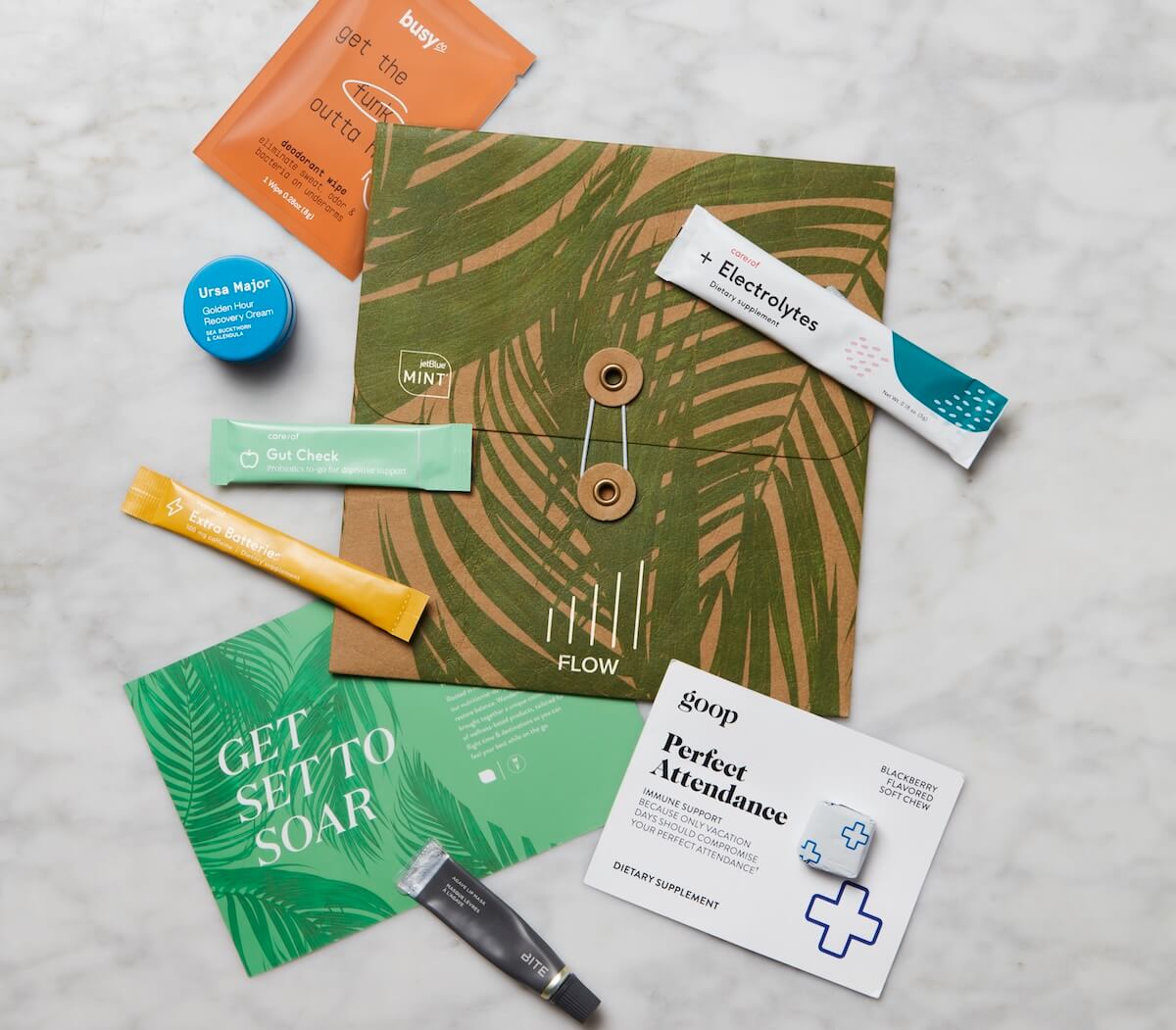
JetBlue’s Mint Wanderfuel amenity kits introduced a tailored approach with four variations—Awake, Flow, Sleep and Renewal—designed to match different travel moments and passenger needs
Wellness beyond the cabin
Wellness does not begin and end onboard, Petros shares.
He points to the collaboration between United Airlines and Therabody to illustrate how amenity programs can extend into a broader ecosystem. Introduced as part of United’s premium cabin experience, the program combined thoughtfully designed amenity kits with Therabody’s science-backed approach to recovery and well-being.
Beyond the onboard kits, the partnership extended into lounge environments and digital touchpoints, creating a more holistic experience for the passenger. Through integration with MileagePlus, travelers were also able to engage with the brand beyond the flight, earning miles through Therabody purchases and reinforcing the connection between travel and self-care.
“This type of partnership signals a shift toward continuity, where wellness is not a moment onboard, but part of a broader, connected journey,” says Petros.
Materials matter
Wellness is no longer limited to the products themselves. It is increasingly tied to what those products are made of and how they interact with the body.
Topics like synthetic materials, chemical treatments and microplastics are becoming part of the broader wellness conversation, bringing new attention to areas that were previously overlooked in amenity design.
This creates an opportunity for airlines to think more broadly about the role of materials, construction, and product performance in supporting passenger well-being.
The future of onboard well-being
Passengers are looking for experiences that respond to the realities of travel — from fatigue to recovery — while aligning with more health-conscious, longevity-focused lifestyles.
“The focus now is simple: design around how passengers want to feel,” says Petros. “This is driving a more thoughtful approach to both product and material choices.”
For airlines that embrace this shift, wellness evolves into a strategic driver of passenger comfort, from departure through to arrival.
