
Untouched inflight meals: Aviation’s green challenge
This is a special feature from the November 2026 Middle East, Asia & Africa issue of PAX International, on page 20.
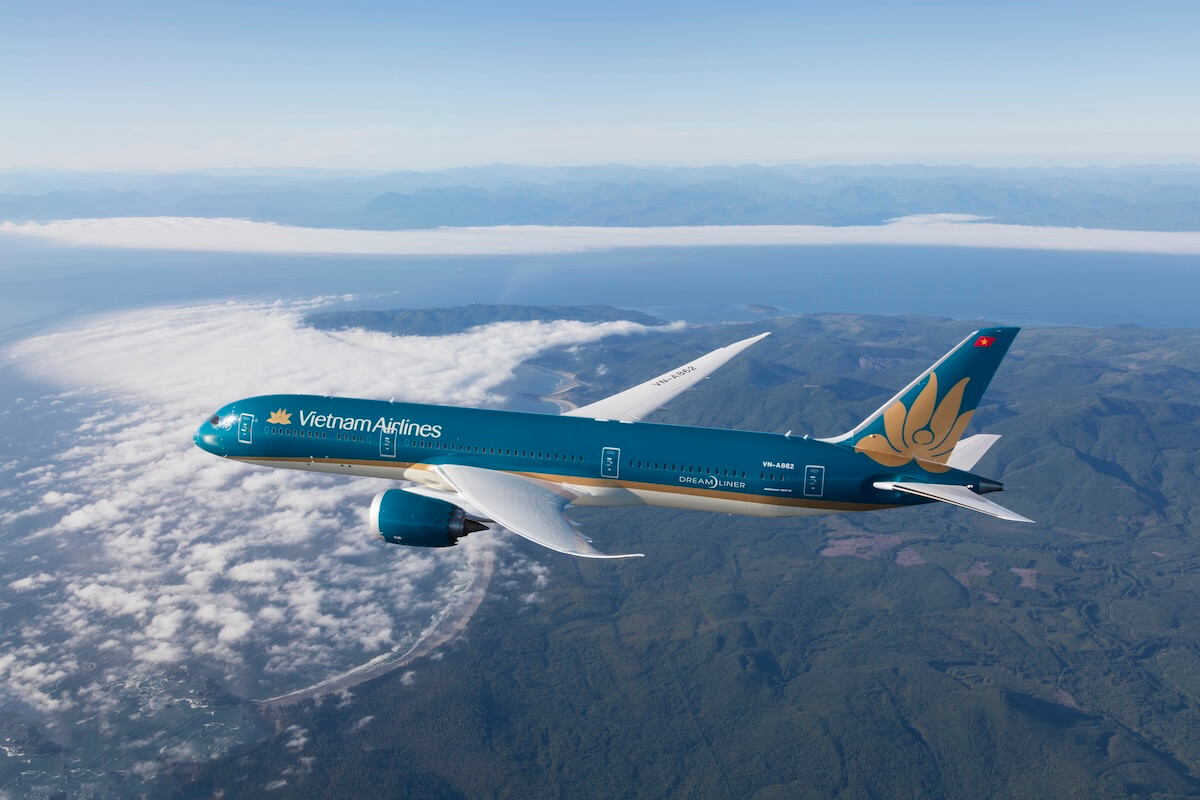
Vietnam Airlines believes clearer meal demand insights can help reduce surplus and improve operational efficiency
An untouched meal left behind after a flight may seem like a small instance of food waste. It represents wasted resources throughout the supply chain, from ingredients, water and energy to transportation and disposal.
As sustainability becomes an increasingly urgent priority for the aviation industry, Dinh Van Tuan, Executive Vice President of Vietnam Airlines, tells PAX International the airline is taking practical steps to use resources more efficiently, reduce waste and encourage passengers to play an active role in making air travel more sustainable.
Inflight meals and the environmental challenge
The global airline catering market is projected to grow by approximately 6.5 percent annually through 2031, according to the current edition of the Infight Catering Marketing Size & Share Analysis – Growth Trends and Forecast report by Mordor Intelligence, published August 18.
According to preliminary findings from the Cabin Waste Composition Audits conducted by the International Air Transport Association (IATA), the global aviation industry generates approximately 3.6 million metric tonnes of cabin waste each year, with food and beverages accounting for around 65 percent of the total weight. Notably, approximately 18 percent of this waste consists of untouched meals that passengers leave uneaten.
“Each uneaten meal represents resources already used throughout the supply chain, from sourcing ingredients and preparing food to packaging, storage and transportation. When a meal goes uneaten, the resources invested in producing and delivering it are wasted as well,” says Dinh.
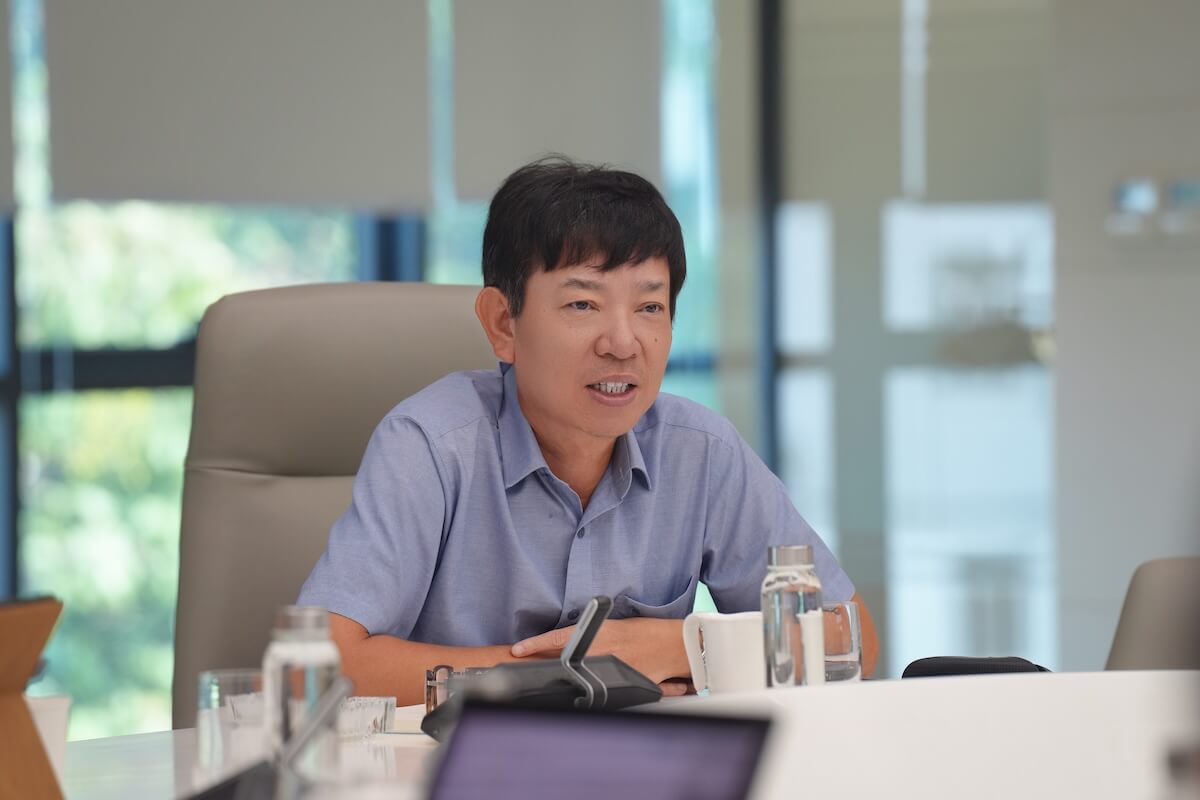
Dinh Van Tuan, Executive Vice President, Vietnam Airlines
The environmental impact extends beyond the food itself. Loading additional meals onto an aircraft increases its weight, fuel consumption and associated carbon emissions. On international flights, cross border biosecurity requirements can make surplus food more difficult to manage. Depending on the regulations of the destination country, certain food waste must undergo specific treatment or disposal procedures, limiting opportunities for reuse or donation.
“This makes preventing waste at the source particularly important, rather than relying solely on waste management after the fact,” says Dinh.
Using technology to better match supply with demand
Airlines worldwide are exploring more flexible approaches to meal services, moving beyond forecasts alone to better reflect passengers' actual preferences. Japan Airlines allows passengers to opt out of meals in advance, while China Southern Airlines offers meal cancellation options subject to specified deadlines. Other carriers, including Cathay Pacific, Emirates and ANA, have introduced pre-order meal options that give passengers greater choice while helping airlines anticipate demand more accurately.
“These initiatives share a common principle: involving passengers in efforts to use resources more efficiently. With better insight into actual demand, airlines can adjust meal quantities, reduce surplus and improve operational efficiency,” says Dinh.
At Vietnam Airlines, Dinh says, this approach is reflected in practical initiatives that support the airline's broader “green transition” while responding to passengers' needs.
“As major aviation markets increasingly tighten their climate and sustainability requirements, Vietnam Airlines has set a clear strategic priority: To fully comply with international standards such as CORSIA, while strengthening its competitiveness and reaffirming its role as Vietnam's national flag carrier on the journey toward a greener future,” Dinh explains.
One tangible step is Lotus Green Choice, a feature integrated into Vietnam Airlines' online check in system and mobile app. From 24 hours to one hour before scheduled departure, passengers who do not wish to have an inflight meal can choose to opt out.
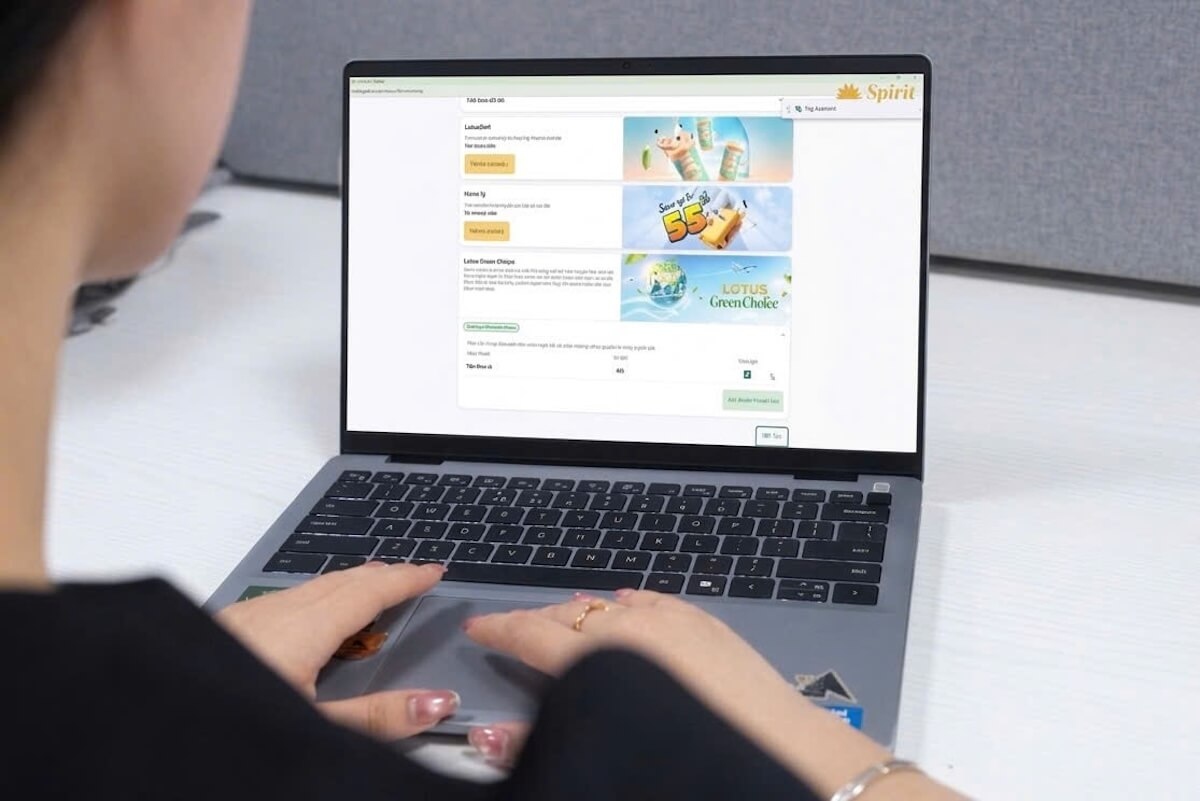
Through Vietnam Airlines’ Lotus Green Choice, passengers can opt out from inflight meals 24 hours to one hour before scheduled departure, helping reduce surplus and improve operational efficiency
Small choice, lasting benefits
Lotus Green Choice demonstrates how digital transformation can help Vietnam Airlines improve operational efficiency and business performance. Its value extends beyond reducing the number of uneaten meals. By recording passengers' choices in advance, the feature gives catering suppliers more accurate information for production planning, helping align supply with demand and prevent waste.
More accurate meal planning can also reduce the number of meals loaded onto aircraft, potentially lowering takeoff weight and fuel consumption.
“The actual environmental benefits will depend on passenger participation, the number of meals avoided and how the initiative is implemented,” says Dinh.
But, Dinh adds, nevertheless, preventing unnecessary production and loading creates opportunities to conserve resources, reduce waste and improve energy efficiency.
The initiative makes sustainability part of the passenger experience. Rather than remaining an abstract policy objective or corporate commitment, more sustainable air travel begins with a personal decision: Choosing only the services one needs.
As the aviation industry works towards its goal of net zero carbon emissions by 2050, Dinh says progress will require a coordinated approach that combines technological innovation, effective policies and more efficient operating models.
“No single initiative can address every environmental challenge, but practical measures that better align resources with actual demand can deliver meaningful benefits when adopted at scale,” Dinh concludes.
