
Porter builds momentum at MET
This is a special feature from the September 2026 IFSA Global EXPO issue of PAX International, on page 16.

Carlo Rinaldi, Director, Quebec Market Development, Porter Airlines
Porter Airlines is gaining early momentum at MET, Montreal Metropolitan Airport (YHU), as the carrier builds awareness and capacity at the airport serving the Montreal region.
The airline launched services at MET in June, and Porter tells PAX International that passengers are already responding positively to the airport’s location, streamlined layout and more direct travel experience. As of August, MET ranks as Porter’s fourth-largest station by seats and flights, a significant milestone for a new airport.
“People are loving the ease and convenience of the airport,” says Carlo Rinaldi, Director, Quebec Market Development at Porter Airlines. “We are happy with how the routes are progressing. It is a very new airport, but it is growing at a rate that matches our expectations at this early stage.”
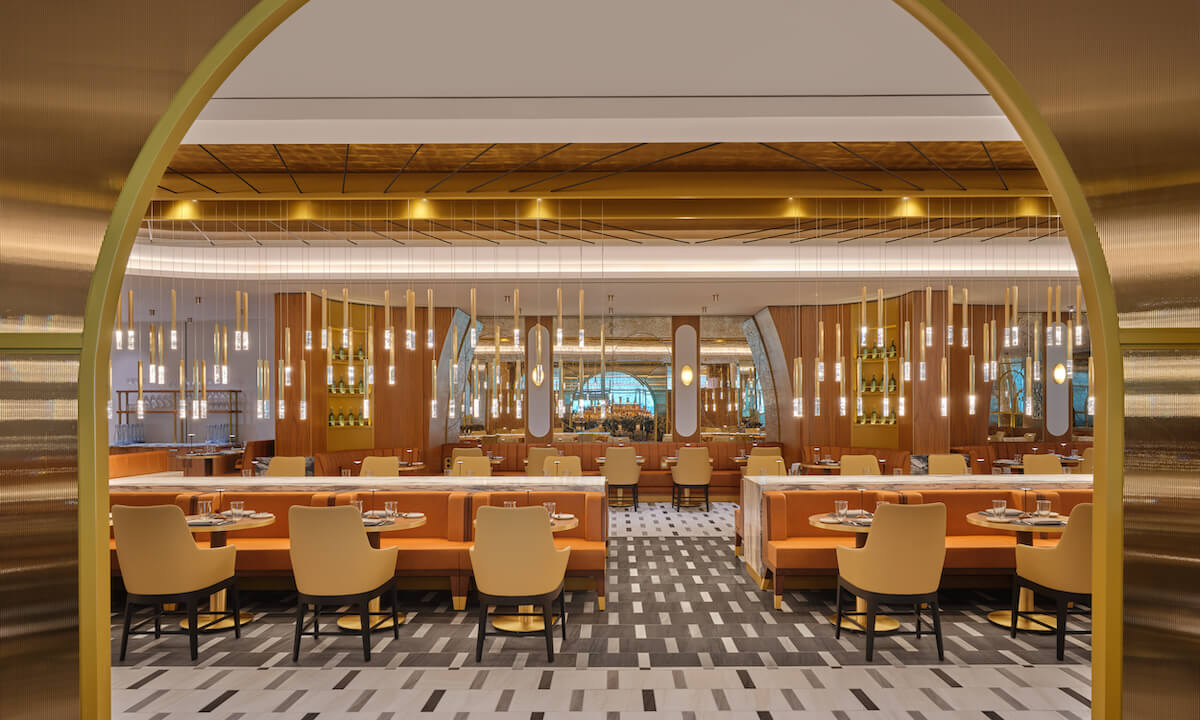
The terminal replaces traditional gate seating with a lounge-style environment, featuring comfortable seating, integrated power outlets and wireless charging throughout
MET’s growth complements Porter’s established presence at Montreal-Trudeau International Airport (YUL), where the airline continues to see strong demand. Porter is the only carrier serving both Montreal airports and will account for more than 20 percent of domestic seats from Montreal this summer, making it the region’s second-largest airline.
At MET, Porter currently serves 11 destinations across Canada, with seven year-round and four seasonal routes. The airport is expected to support as many as 38 daily Porter flights, adding another option for domestic travelers across the Montreal market.

The Porter executive team at the new MET terminal
Rinaldi says MET gives Montreal-area passengers more choice, particularly for travelers who benefit from the airport’s South Shore location and streamlined layout. The South Shore location is particularly relevant to business travelers, with a significant number of corporate headquarters in the surrounding area.
“Large cities like Montreal are often served by multiple airports to benefit the traveling public,” Rinaldi says. “MET is an opportunity to enhance transportation infrastructure for the region, creating new travel opportunities and significant economic growth.”
MET is also positioned to capture leisure demand. Its proximity to downtown Montreal and Old Montreal is complemented by access to golf and ski destinations in the eastern part of the region. Porter partner Pascan further extends the airport’s reach across Quebec and into other Canadian markets.
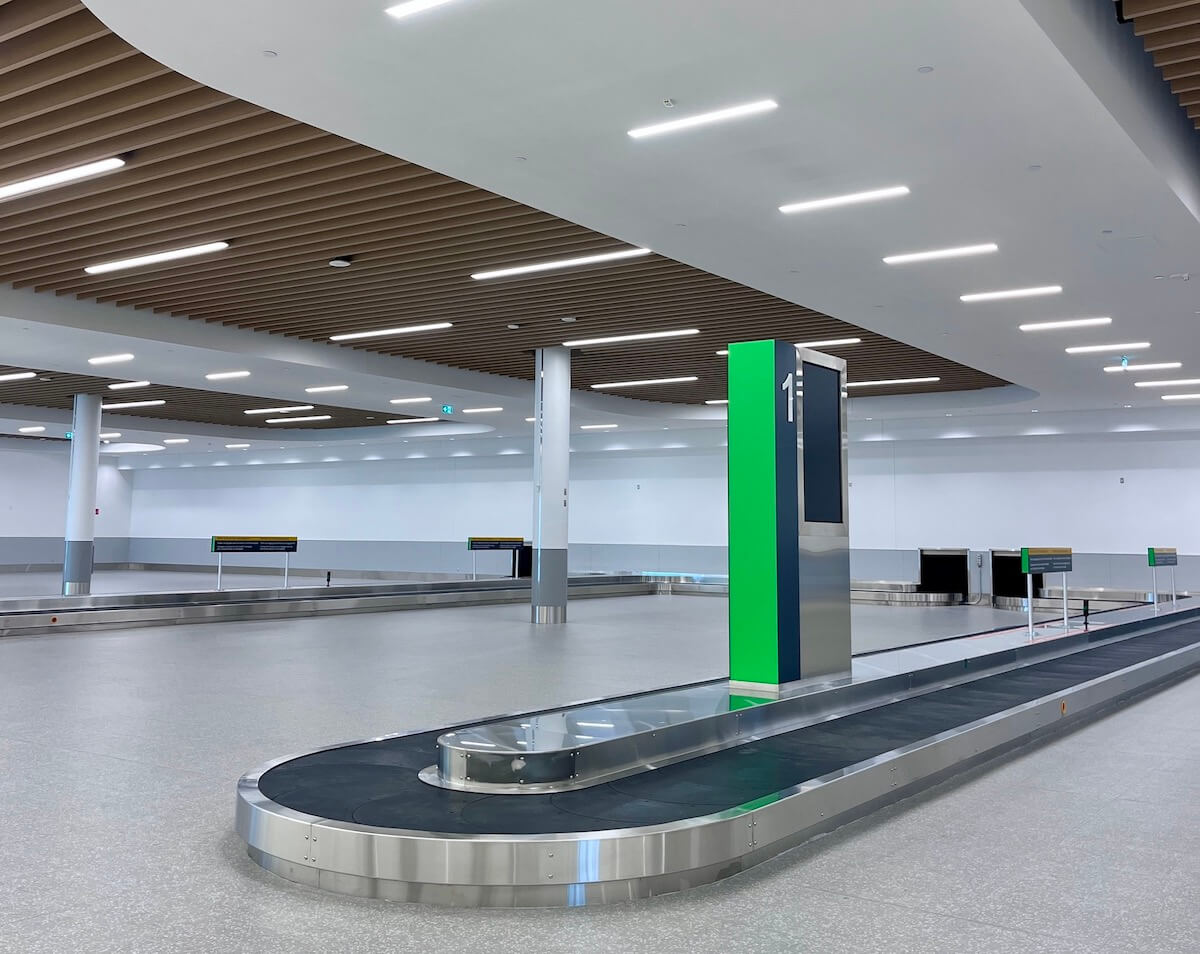
The baggage carousels at MET
Making MET part of the journey
YHU Terminal at MET has been designed around a central, lounge-style departures area, an approach that mirrors elements of Porter’s operation at Billy Bishop Toronto City Airport.
“Porter wants passengers to enjoy the journey, not just the destination,” Rinaldi says. “MET was designed to provide a smooth, efficient and welcoming passenger experience.”
The open-plan lounge can accommodate up to 900 passengers and offers a variety of seating options and charging stations. Rather than moving immediately to individual gate areas, travelers can remain in the main lounge until their flight is called. Food and beverage options include Montreal-based Café Dépôt and Bâton Rouge.
“Travel does not need to be stressful or complicated,” Rinaldi says.
The emphasis on simplicity extends throughout the terminal. Charles Roberge, President and Chief Executive Officer at YHU Infrastructure Partners (Québec) LP, says the passenger experience starts before travelers even enter the building.
“Accessibility is a key advantage,” Roberge says. “Depending on traffic, downtown Montreal is as little as 30 minutes away.”
A public transit shuttle connects the terminal directly with Montreal’s metro system. Parking is located as close as 25 meters from the entrance, while the 500-meter drop-off and pick-up area features three traffic lanes.
Inside, the single-level terminal keeps walking distances short. The departure lounge sits immediately beyond security screening, with passengers following a single, straightforward corridor to the gates.
“The result is an intuitive, stress-free journey,” Roberge says.
YHU Terminal features 10 self-service check-in kiosks and 28 traditional check-in counters, with two self-service baggage drop units coming soon. Three security screening lanes can each accommodate up to four passengers at a time.
According to Roberge, passengers can reach their departure gate in as little as 15 minutes after entering the terminal—minimizing time spent navigating the airport while maximizing time in the departure lounge.
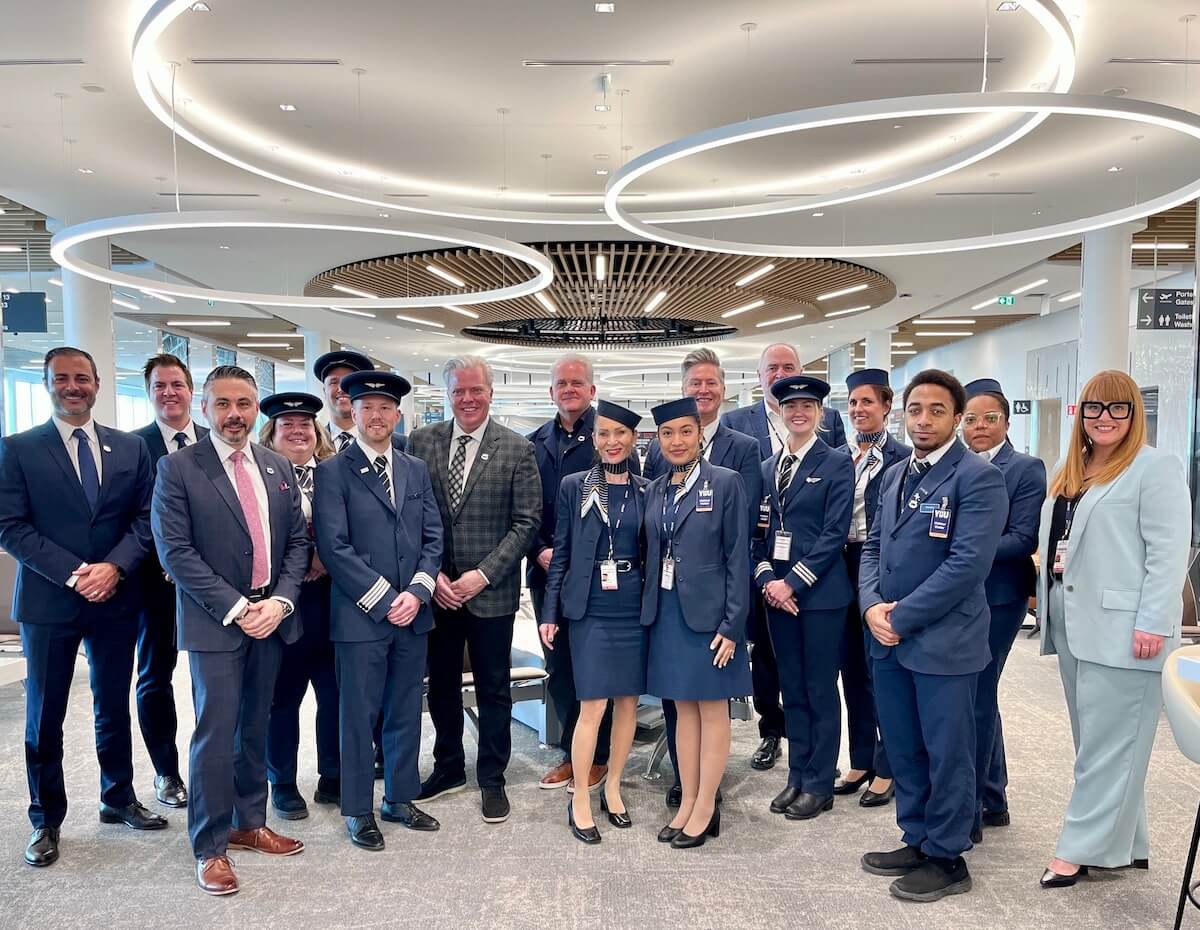
Porter's executive team and several cabin crew at the MET press event
A sense of place
The terminal’s retail and F&B offering is designed to give the facility a distinctly Montreal and Quebec identity. Bâton Rouge and Café Dépôt are unique to YHU Terminal among Canadian airport terminals, while the travel retail shop features regional products and brands, including Montreal Canadiens hockey merchandise, Canadian maple products, Lambert bags and locally inspired gifts and souvenirs.
For Porter, the combination of convenience and local character supports its “traveling well” promise and gives the carrier another way to differentiate its Montreal operation.
As MET builds awareness and traffic, Porter sees the airport becoming an increasingly important component of its Quebec network, and an alternative for passengers seeking a simpler, more efficient airport experience.
