
Korean Air charts future of inflight connectivity with Starlink integration
This is a special feature from the April 2026 AIX Hamburg issue of PAX Tech, on page 18.
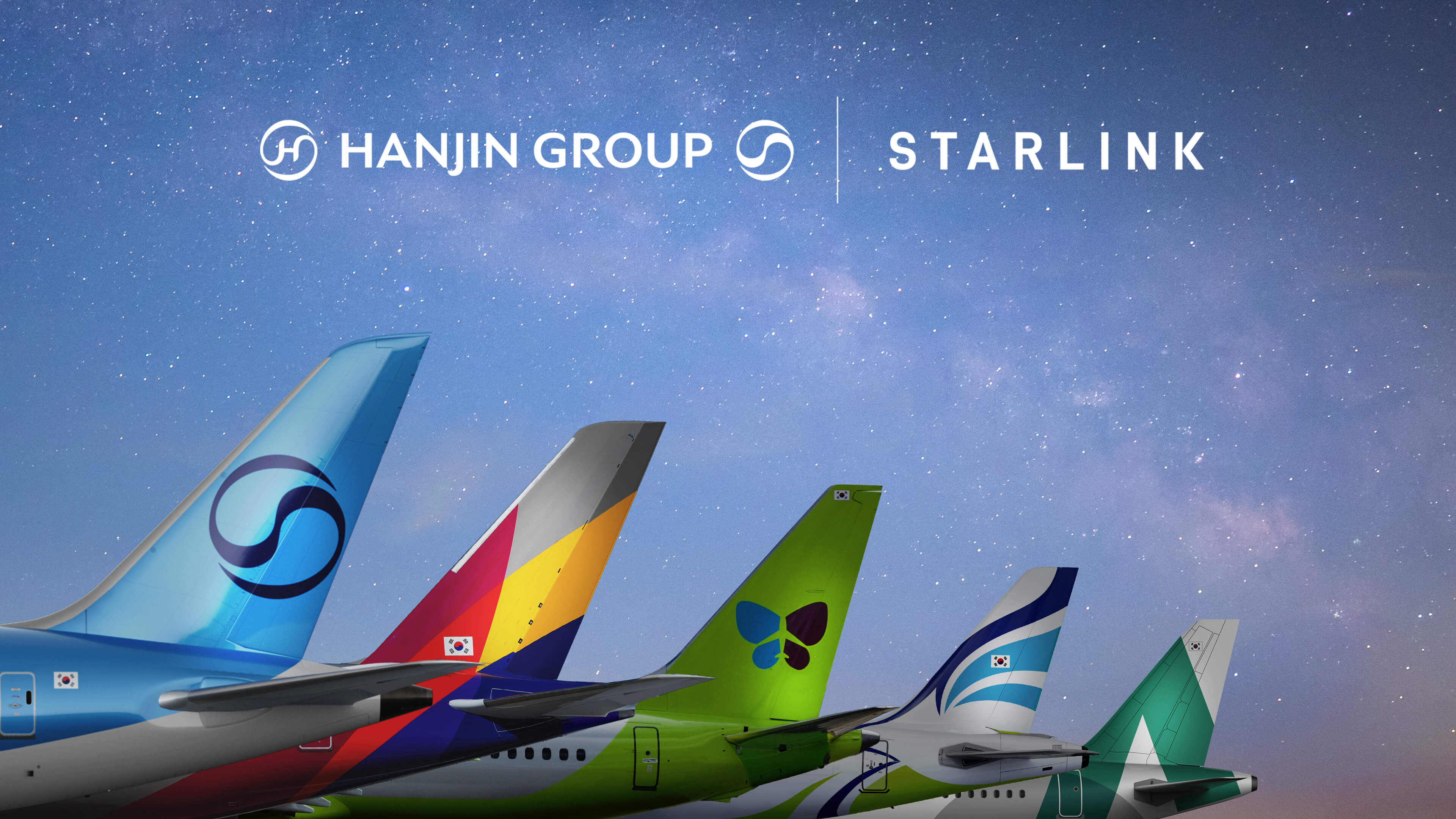
Korean Air and Hanjin Group airlines are introducing Starlink powered Wi-Fi
In September 2025, Korean Air received the Best Cabin Service award at the Airline Passenger Experience Association (APEX) Best Awards 2026. It also walked away from the event as a Five-Star Global Airline for the ninth consecutive year.
These honors reflect the carrier’s commitment to elevating the travel experience and strengthening service quality.
Not resting on its laurels, the airline is enhancing its inflight connectivity (IFC) service for both passengers and crew.
Korean Air introduced IFC in 2023, relying on Panasonic and Viasat connectivity solutions for the paid-for service. However, in December 2025, Korean Air, alongside other airlines part of Hanjin Group, gave passengers something to look forward to, announcing plans to address high bandwidth demands by adopting Starlink.
Starlink uses more than 8,000 Low Earth Orbit (LEO) satellites to provide high-speed internet, allowing passengers across all cabin classes to engage in data-intensive activities—such as over-the-top (OTT) streaming, online gaming and cloud-based work—simultaneously without compromising connection quality.

Kenneth Chang, Executive Vice President and Chief Marketing Officer, Korean Air
Star bright
As Kenneth Chang, Executive Vice President and Chief Marketing Officer at Korean Air, explains, “The introduction of Starlink will fulfill the high expectations for ground-equivalent connectivity.”
By offering stable, high-speed access of up to 500 Mbps, Chang says Korean Air expects a fundamental shift in cabin behavior. Passengers will transition from passive offline entertainment to active, real-time digital engagement. This includes seamless streaming, live social media interaction and uninterrupted cloud-based productivity.
Korean Air defines connectivity success as moving beyond the limits of traditional inflight entertainment to deliver a seamless and personalized passenger experience.
“Our goal is to transform the aircraft from a secluded media space into an unbounded digital environment that naturally extends our customers’ everyday digital lives into the air,” Chang explains.
He adds that, “Connectivity, for us, is not just a technical performance; it is about enabling continuity—allowing passengers to stay connected to what matters to them, whether it be work, entertainment or personal content.
Korean Air and Asiana Airlines will prioritize Starlink installation on its long-haul 777-300ER and A350-900 aircraft. Following the integration with Asiana Airlines, the airline plans to complete fleetwide installation by the end of 2027, “building a foundation for the next generation of inflight engagement and delivering a meaningful customer experience,” says Chang.
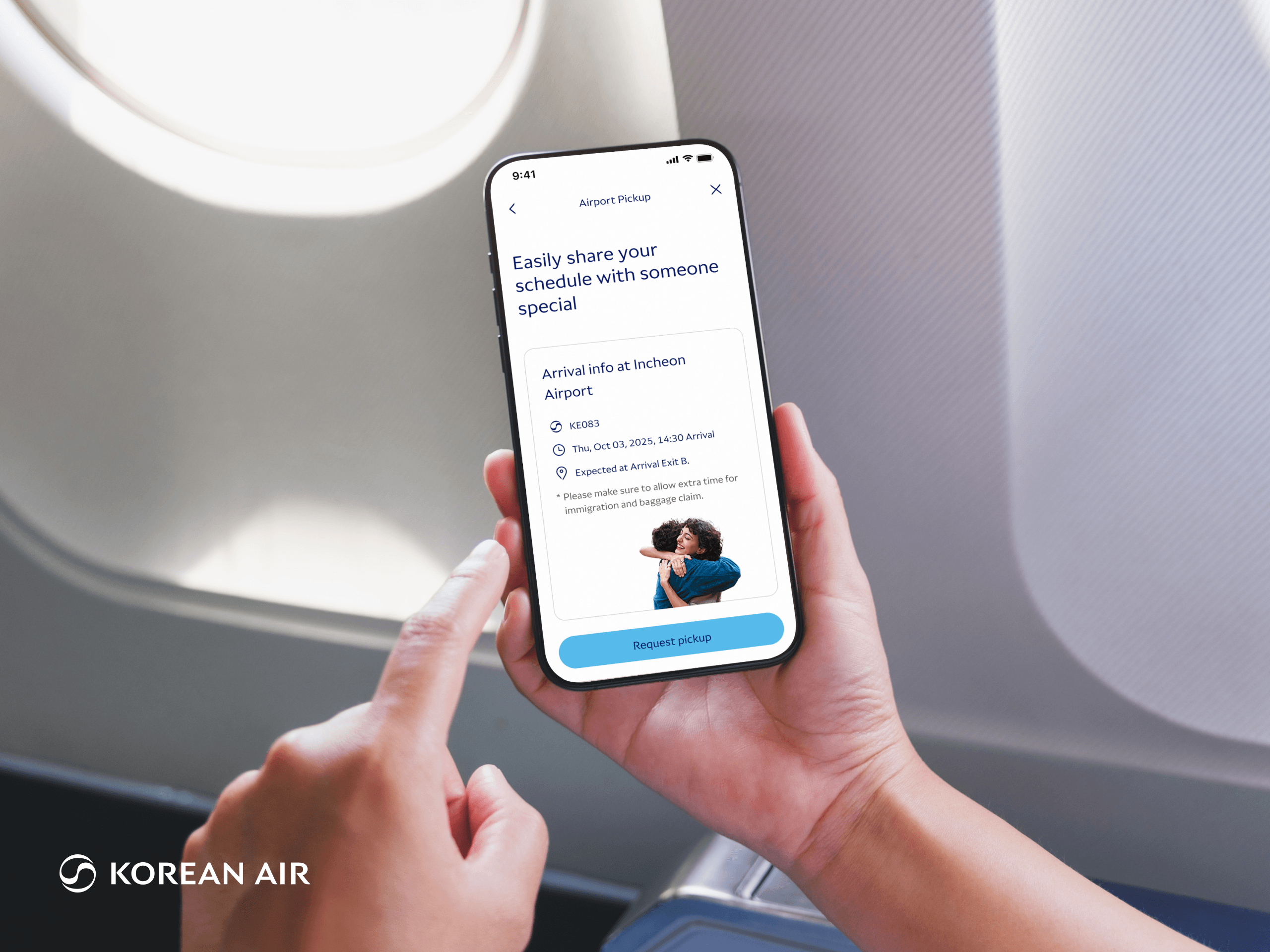
Korean Air’s high-speed connectivity, offering stable access of up to 500 Mbps, is expected to transform cabin behavior by enabling seamless streaming, live social media interaction and uninterrupted cloud-based productivity.
The path to love
The selection of Starlink is the latest tactic in Korean Air’s service enhancement strategy.
Referring to the Starlink partnership, Chang says Korean Air sees this moment as the foundation for what comes next.
“As the airline continues to evolve across its brand, operations and customer experience, its focus remains on building deeper emotional connections and delivering beyond excellence at every touchpoint—advancing steadily toward its ambition to become the world’s most trusted and most loved airline.”

Korean Air aims to transform the aircraft from a secluded media space into an unbounded digital environment that seamlessly extends passengers’ everyday digital lives into the air
