
Korean Air elevates lounge experience with design, dining and wellness innovation
This is a special feature from the November 2025 Middle East, Asia & Africa digital issue of PAX International, on page 30.

A major focus for the lounges is adaptive environments that adjust lighting, sound and scent to align with circadian rhythms and flight schedules, helping travelers stay balanced across time zones
Korean Air is redefining the premium travel experience through an ambitious lounge renewal project that merges Korean heritage, luxury hospitality and passenger-centric innovation. Under the leadership of David Pacey, Executive Vice President and Chief of In-flight Service and Lounges, the airline is reimagining its global lounges as brand-defining spaces that reflect its evolution into a world-class carrier.

David Pacey, Executive Vice President and Chief of In-flight Service and Lounges, Korean Air
“Since 2021, Korean Air has been pursuing integration with Asiana Airlines with the goal of becoming a truly global leading airline,” says Pacey. “Based on this vision, we have renewed our corporate identity and service portfolio to embody the next chapter of our brand evolution.”
Global vision for lounge renewal
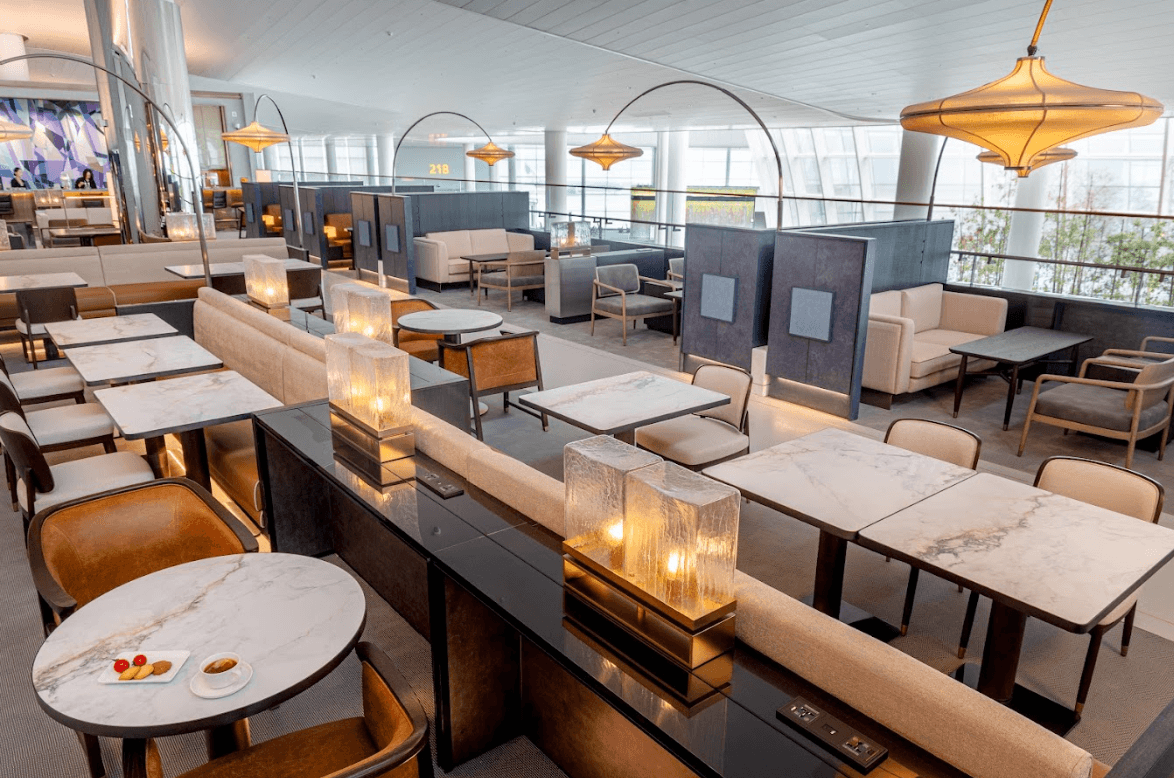
The airline collaborated with renowned design firms to create lounges that blend Korean aesthetics with each destination’s spirit, reflecting both cultural heritage and cosmopolitan sophistication
What was once considered a waiting area has become a cornerstone of the premium travel journey. Recognizing the growing influence of lounge experiences on passenger loyalty and brand perception, Korean Air has embarked on a complete reconstruction of its flagship lounges—starting with Incheon International Airport (ICN) and expanding to major international gateways including Los Angeles (LAX) and New York (JFK).
The airline partnered with world-renowned design firms celebrated for work with five-star hotels, creating spaces that blend Korean aesthetics with the spirit of each destination. This approach positions the lounges as extensions of both Korean culture and cosmopolitan sophistication.
“At Incheon, architectural elements inspired by traditional Hanok and the delicate beauty of its patchwork come together to evoke Korean elegance,” Pacey tells PAX International in an October interview. “At LAX, the design captures the warmth of sunlight and the relaxed breeze of the coastline, while at JFK it embraces the city’s distinctive chicness through high ceilings and a glamorous combination of metal and glass.”
Each lounge is designed around key traveler insights and themes—“Home Away Home,” “Privacy,” “Tech Zone vs. Family Zone,” and “K-Culture”—reflecting a balance between cultural authenticity and modern comfort.
Live and local dining
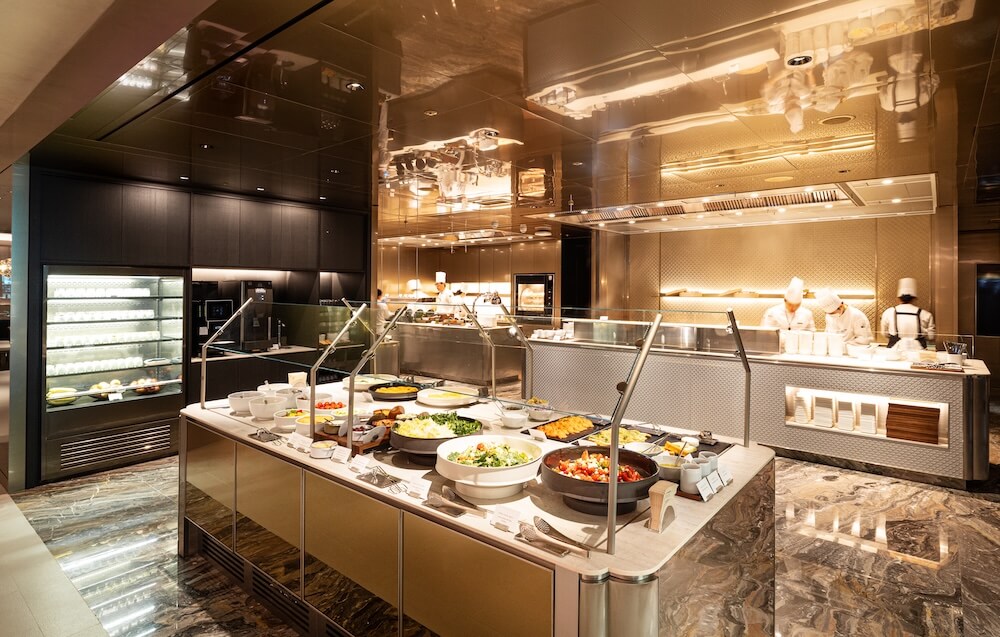
Food in the lounges highlight seasonal ingredients and a balance of authentic Korean and Western dishes prepared to hotel-level standards
Korean Air’s reimagined lounges are also setting a new standard in culinary excellence. The introduction of live cooking stations, operated in partnership with Grand Hyatt chefs, elevates the dining experience from convenient to immersive with professional chefs preparing dishes fresh on-site.
“Our live culinary station embodies the ‘from scratch’ philosophy, interactive with the passengers,” explains Pacey. “Professional chefs prepare and serve freshly made dishes onsite, representing a major upgrade in our food and beverage service.”
Menus are designed to evolve quarterly, featuring seasonal ingredients and a mix of authentic Korean and Western dishes crafted to hotel-level standards. Travelers can also enjoy artisanal bakery items baked fresh in lounge ovens by pastry chefs, delivering a refined touch that connects the lounge experience to the airline’s broader hospitality offering.
Comfort, connection, wellness
With Incheon ranking among the world’s busiest international hubs, Korean Air has prioritized traveler well-being in its lounge enhancements. Korean’s reconstructed facilities at ICN include massage chairs in private booths, upgraded shower suites and premium amenities to deliver a refreshed and relaxing experience for transfer and long-haul passengers.
Wellness zones, meeting spaces and tech-equipped areas also support the needs of premium travelers, blending productivity with relaxation.
Future of lounge design
The ongoing integration with Asiana Airlines is a driving force behind the expansion. All Korean lounges are on track to reach “state-of-the-art level” within 2026, before the integration is finalized in January 2027, says Pacey.
“As the boundaries between hospitality and aviation continue to blur, premium lounges are evolving beyond traditional notions of exclusivity to embrace holistic guest well-being,” he says. He identifies three defining trends shaping the next generation of premium lounges: personalization, sensory wellness and human-centered design supported by digital intelligence.
A key area of focus is adaptive environments that dynamically adjust lighting, sound and scent to reflect circadian rhythms and flight schedules—helping travelers maintain balance across time zones. Lounge design is also moving toward spa-inspired relaxation zones, curated art spaces and nutrition-forward culinary programs that emphasize mindfulness and provenance.
At the same time, inclusivity is gaining traction. Korean Air is paying attention to emerging concepts that introduce multigenerational comfort, including discreet family suites, sensory play areas and wellness booths that serve both parents and children without compromising tranquility for Business and First Class travelers.
“Premium travelers now value serenity and balance as much as luxury,” says Pacey. “Our lounges are evolving to reflect that.”
