
GIP advances sustainable inflight service with plant fiber casseroles and stackable cups
This is a special feature from the November 2026 Middle East, Asia & Africa issue of PAX International, on page 42.
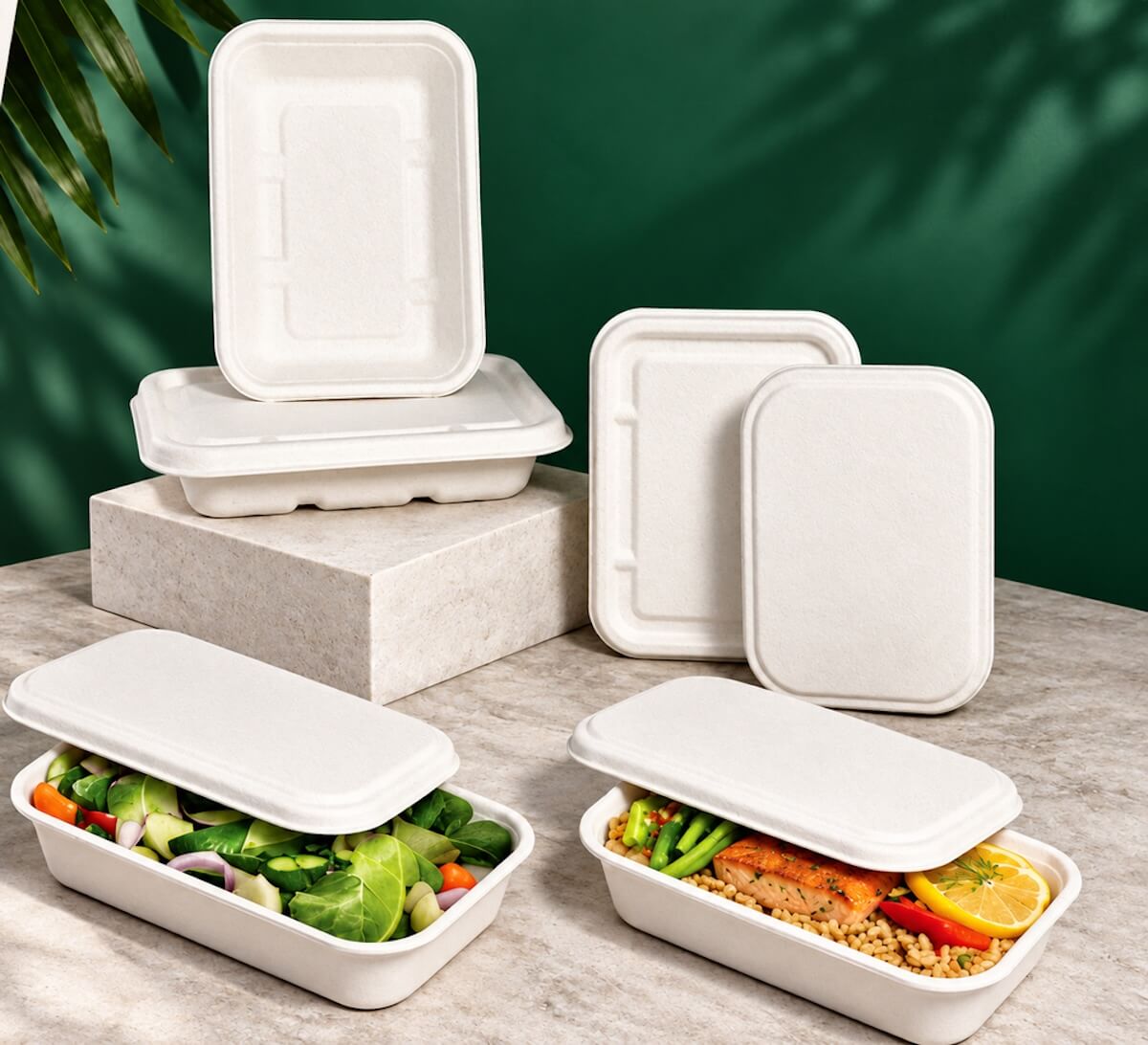
The casserole lid releases steam during reheating to remain securely in place and features a stronger container structure supporting heavier meals and sauce
Global Inflight Products (GIP) is expanding its range of inflight catering products with updated plant fiber casseroles and stackable beverage cups, focusing on sustainability, operational efficiency and ease of use for cabin crew.
The latest innovations build on the company's existing product portfolio, addressing common challenges in airline catering, including meal reheating, storage limitations and beverage service efficiency.
According to Zine Badissy, CEO of GIP, the plant fiber casseroles represent an evolution of the product introduced three years ago, incorporating improvements developed through direct testing with airlines.
Unlike earlier products, the new casseroles are 100 per cent plastic-free and PFAS-free, offering airlines an alternative to conventional aluminum or CPET meal containers.
Badissy says GIP uses the term "plant fiber" rather than bagasse, reflecting the broader range of plant-based materials available for manufacturing the products. He adds that as a farmer himself, he deals with plant fiber materials daily.

Zine Badissy, CEO, GIP
Improving inflight meal service
One of the most significant developments is the redesigned casserole lid. It releases steam during oven reheating and prevents the lid from lifting off. The design addresses an operational challenge for airline caterers and cabin crew, helping meals remain secure. The structural strength of the casserole is also improved to accommodate heavier meals and sauces.
The containers are resistant to water, oil and leakage, and are suitable for a variety of inflight meal applications. Badissy says in coming months, the containers will be produced in the U.S., speeding up delivery and reducing costs for airlines in the country.
Weight and storage are also central considerations. The plant fiber containers weigh approximately the same as conventional aluminum casseroles but are lighter than CPET alternatives. Storage volume matches aluminum containers and offers an improvement over CPET, allowing airlines to integrate products without significantly changing existing catering procedures.
Dimensions can be customized to match an airline's current containers, enabling caterers to use established storage and handling workflows.
From a cost perspective, the casseroles are slightly more expensive than aluminum alternatives but less expensive than CPET.
“They were developed through direct testing within airline departments to ensure the final product perfectly meets airline needs,” he says.
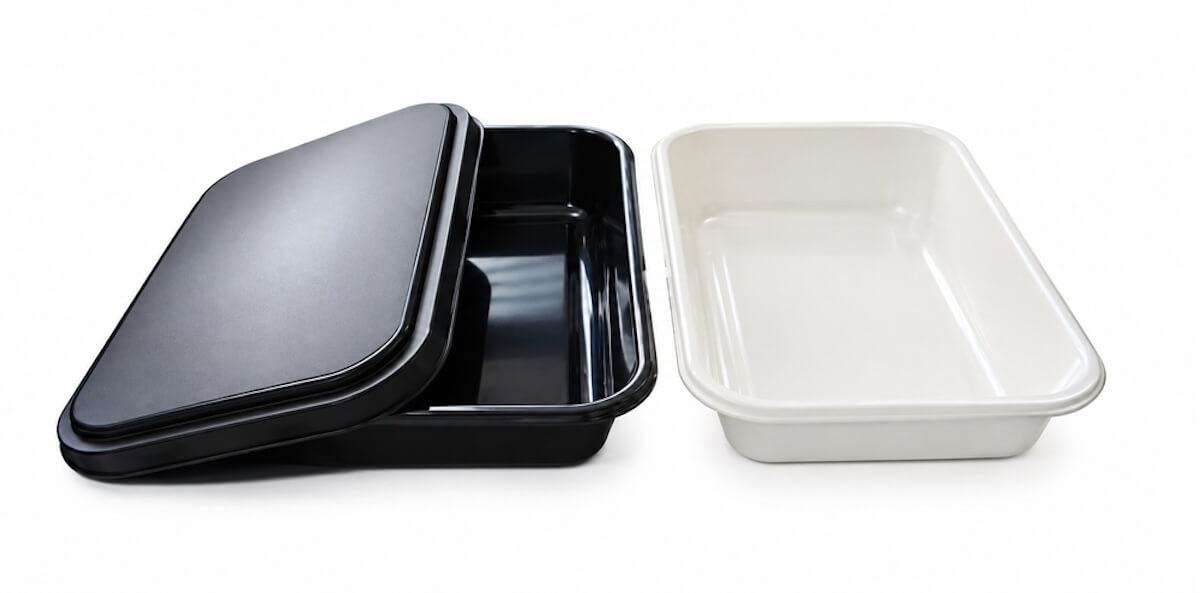
GIP’s plant fiber casseroles match aluminum alternatives in weight and storage volume, with customizable dimensions to fit existing catering workflows
Streamlining beverage service
Alongside its casserole developments, GIP has introduced redesigned stackable cups intended to improve beverage service efficiency and reduce storage requirements.
The innovation addresses a common challenge faced by cabin crew when separating tightly stacked cups during inflight services.
According to Badissy, the updated design allows crew members to detach an individual cup using one hand.
“By eliminating the need for two hands to separate cups, a crew member can pick up a cup with one hand while simultaneously pouring a beverage and handing it to the passenger with the other, significantly speeding up service,” Badissy explains.
GIP estimates the improvement can save approximately three to five seconds per cup, potentially reducing service time across the cabin.

GIP’s redesigned stackable cups save storage space and separate more easily, helping cabin crew deliver efficient inflight beverage service
Beyond handling efficiency, the improved stacking design reduces the volume occupied by packaged cups, which can help lower shipping requirements and associated costs.
The cups are manufactured from paper and available in 100 per cent plastic-free single- and double-wall configurations. The cups are suitable for hot and cold beverages, and alcoholic drinks. GIP offers the products in various sizes, with storage capacities and dimensions intended to accommodate existing onboard beverage service equipment.
Badissy says initial feedback has been “very encouraging,” with its airline customers reporting positive response.
By addressing everyday challenges in meal preparation, storage and cabin service, GIP aims to provide airlines with alternatives that can be incorporated into existing workflows while supporting efforts to reduce plastic use onboard.
