
gategroup invests in infrastructure, talent to support Southeast Asia aviation growth
This is a special feature from the November 2026 Middle East, Asia & Africa issue of PAX International, on page 22.
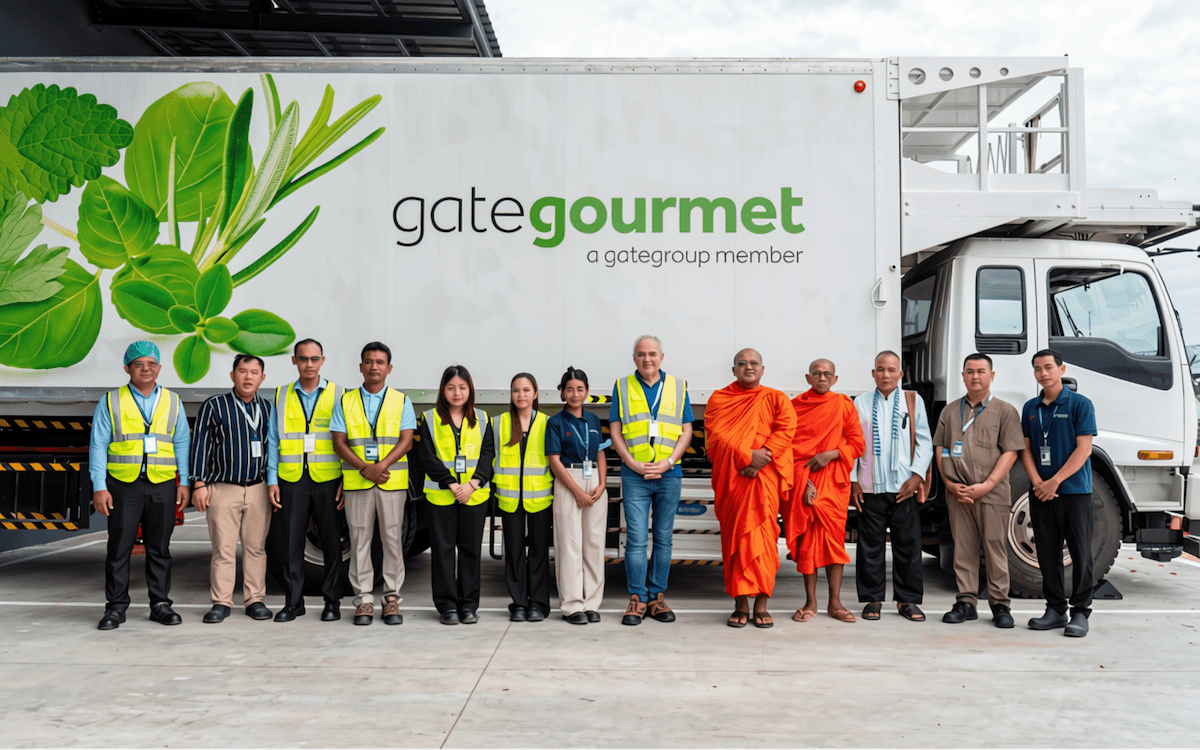
gategroup’s Phnom Penh facility can produce up to 15,000 meals daily, expanding its capacity to serve full-service and low-cost carriers
As Southeast Asia's aviation industry continues to expand, gategroup is investing in modern catering infrastructure and local talent development to support its airline customers across the region.
The company's latest investment in Cambodia, a Techo International Airport (KTI) catering facility in Phnom Penh, represents a significant step in its regional growth strategy, combining increased production capacity with operational flexibility and workforce development.
"We are extremely proud of this new facility in Phnom Penh. Cambodia is a fast-growing market with great potential for tourism, business and aviation," Franck Bouat, Regional Chief Commercial Officer APAC and Managing Director, Asia, gategroup, tells PAX International.
"For gategroup, this investment reflects our confidence in the country's future and our commitment to expanding our presence in Southeast Asia."
The facility is designed to accommodate growing airline demand while providing the flexibility needed to support different carriers and service requirements.
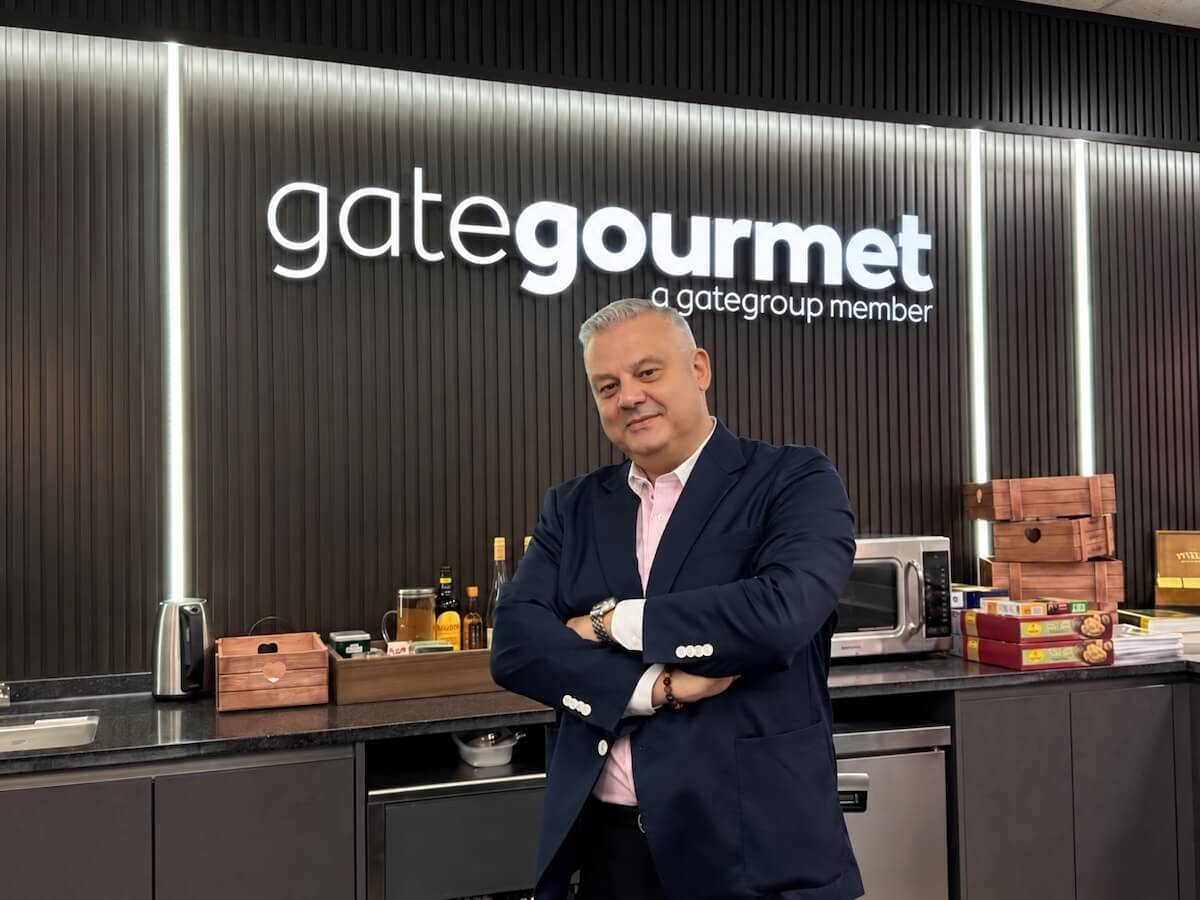
Franck Bouat, Regional Chief Commercial Officer APAC and Managing Director, Asia, gategroup
Investing in catering infrastructure
With the capacity to produce up to 15,000 meals daily, the Phnom Penh facility strengthens gategroup's ability to serve both full-service and low-cost carriers.
"With improved production flows and proximity to the airport, we can respond much faster to last-minute requests, whether it is additional meals or changes in passenger numbers," Bouat explains. "Our objective is simple: to deliver the right product, at the right quality and at the right cost, while ensuring a great passenger experience."
He says the facility's opening proceeded smoothly, with airline customers already benefiting, demonstrating the importance of anticipating demand and establishing infrastructure capable of supporting long-term aviation growth.
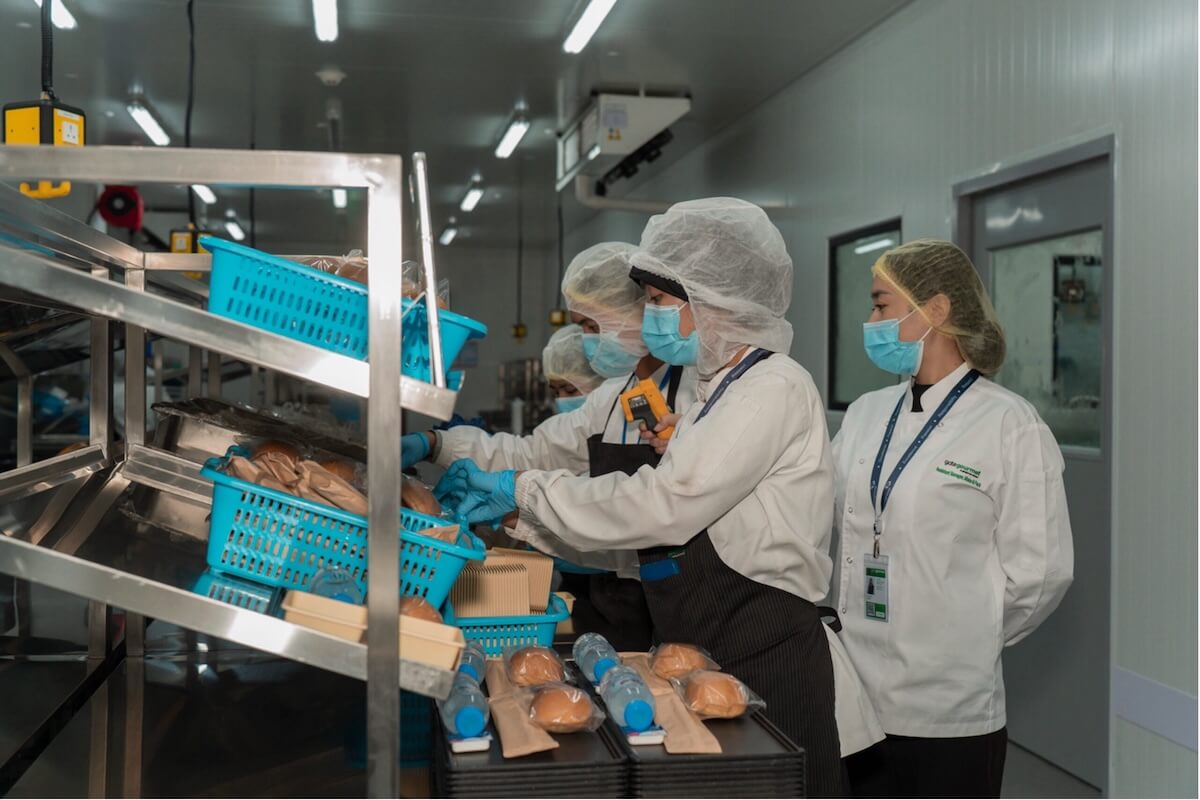
The facility is designed to meet growing airline demand and adapt to carriers’ varied service requirements
Bringing Cambodian flavors onboard
Beyond production capacity, gategroup is incorporating Cambodian culinary traditions into its catering offerings, introducing local flavors to international passengers.
gategroup collaborated with prominent Cambodian chefs to develop meal presentations featuring traditional dishes, including Fish Amok and Beef Lok Lak.
Local sourcing is also an important component of the company's culinary strategy.
"Most of our ingredients are sourced locally, allowing us to offer fresh products while supporting Cambodian farmers and suppliers," Bouat says.
By combining local ingredients with customized menu development, gategroup aims to deliver authentic dining experiences while supporting Cambodia's food supply industry.
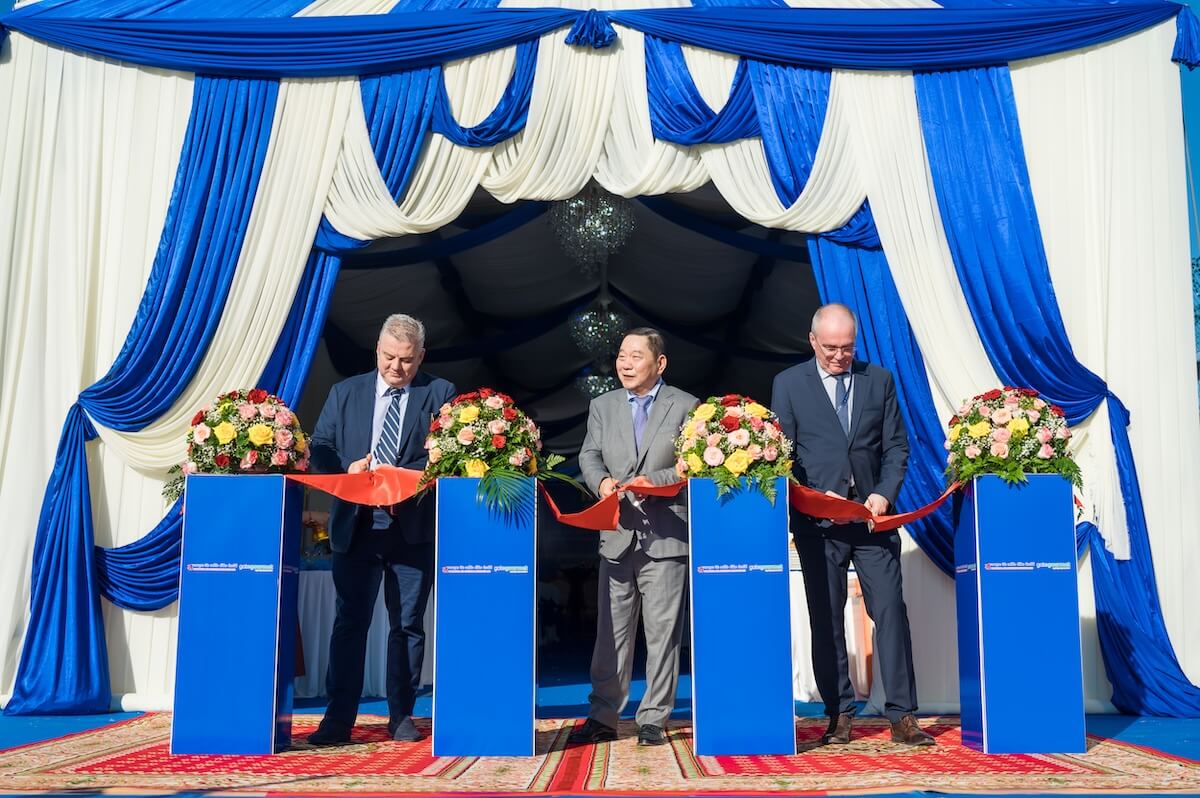
The ceremony ribbon cutting during the opening ceremony of the facility
Developing local talent
Alongside infrastructure investment, gategroup is prioritizing employee training and professional development to support its expanding operations.
The company provides continuous training in food safety, culinary techniques and operational processes, including the use of modern equipment and production systems.
"Our people are at the heart of this investment," Bouat emphasizes. “Our ambition is also to develop local talent and create opportunities for employees to grow within gategroup as our operations expand."
The approach reflects gategroup's broader strategy of building strong local teams capable of supporting airline partners as regional demand increases.
Looking ahead, Bouat sees Cambodia as an example of the opportunities emerging across Southeast Asia, particularly as the country's new international airport supports further aviation development.
"For gategroup, Cambodia is not only an investment for today, but an investment in the future of aviation in Southeast Asia," he concludes.
