
Guest column: Why industry readiness matters, according to En Route
This is a special feature from the June/July 2026 Amenities & Comfort issue of PAX International, on page 34.
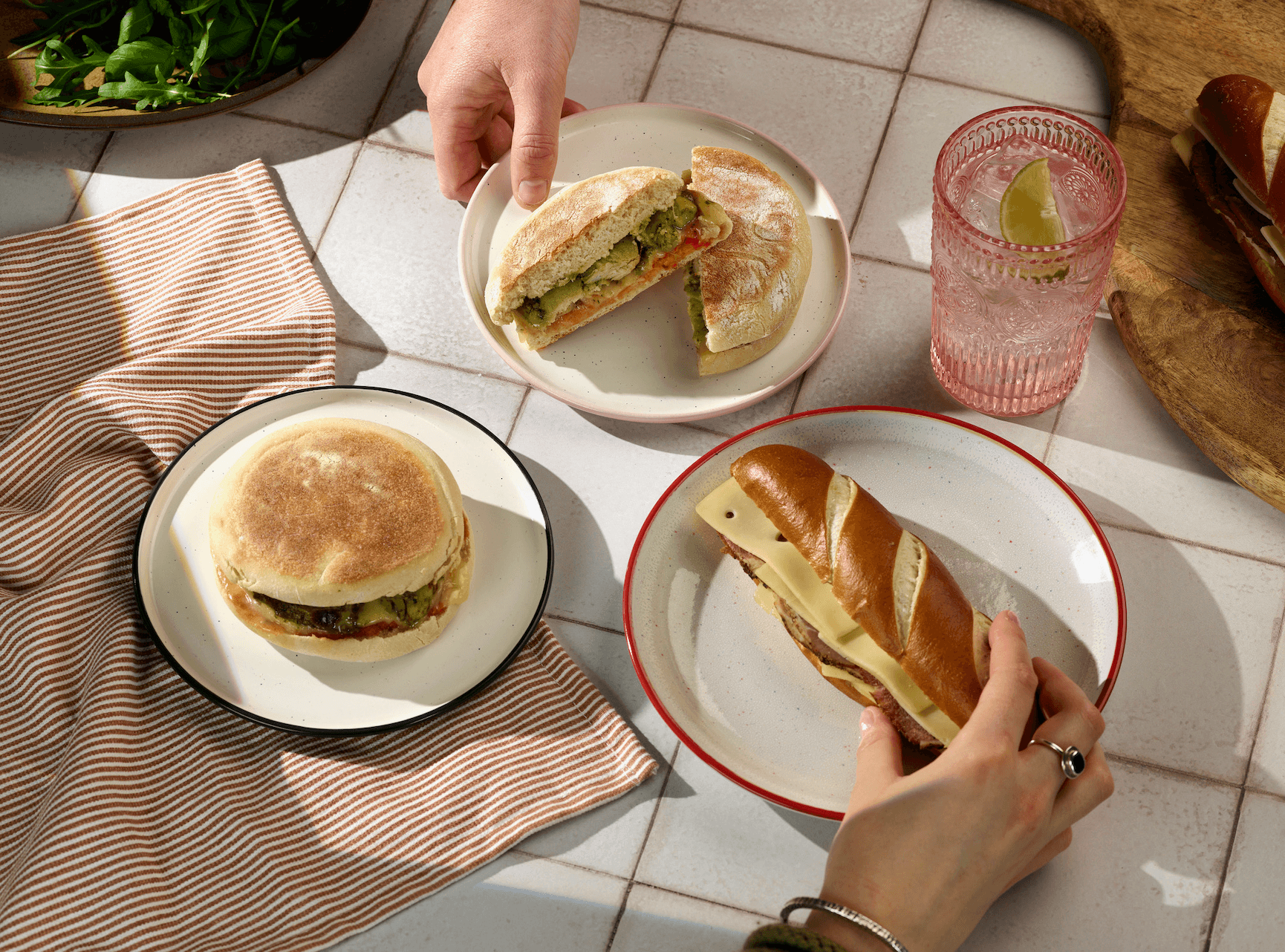
As ticket prices and travel costs continue to rise, passengers increasingly expect greater value from the onboard F&B experience
Every five to seven years, this industry has a habit of reminding us not to get too comfortable. Something inevitably arrives that forces the sector to adapt, whether a pandemic, economic downturn, fuel price shock or supply chain disruption.
Following a post-pandemic recovery marked by unprecedented airline profitability, passenger demand remains strong and investment across the passenger experience continues to accelerate.
But do not get too comfortable. The next set of challenges is already emerging.
Aircraft shortages continue to constrain capacity, supply chain remains vulnerable and labor pressures persist across multiple markets. Not to mention geopolitical uncertainty affecting sourcing decisions and structures. And those fuel prices? I need not say more.
Against this backdrop, it is little wonder why airlines and caterers are being asked an all too familiar question: how can you deliver more while spending less?
Passengers still want more from the onboard experience, especially when they are thinking about what they paid for the ticket in a world of increasing costs. However, airlines are being pushed hard to control costs, keep spending tight and run even leaner.
What does this mean for caterers? Effectively stuck in the middle, caterers are dealing with supply chains that keep getting more complex, staffing strain and labor issues, and the day-to-day limits of airport operations.
From the outside, it can feel like you are being asked to do two opposing things at once.
A better, more premium service usually requires more money. Whereas cost control sounds like something has got to give. But that trade-off is not as fixed as people assume.
My view is simple: the next phase of inflight dining is not about choosing between quality or cost. It is about finding sharper ways to land both, even with the unpredictability we are all working around.
From the airline side, food and drink is never just food and drink. It is representative of the brand and it affects how passengers rate the flight (and subsequent NPS scores); how likely they are to come back, how distinct the airline feels versus the next option and even what extra revenue can be pulled in.
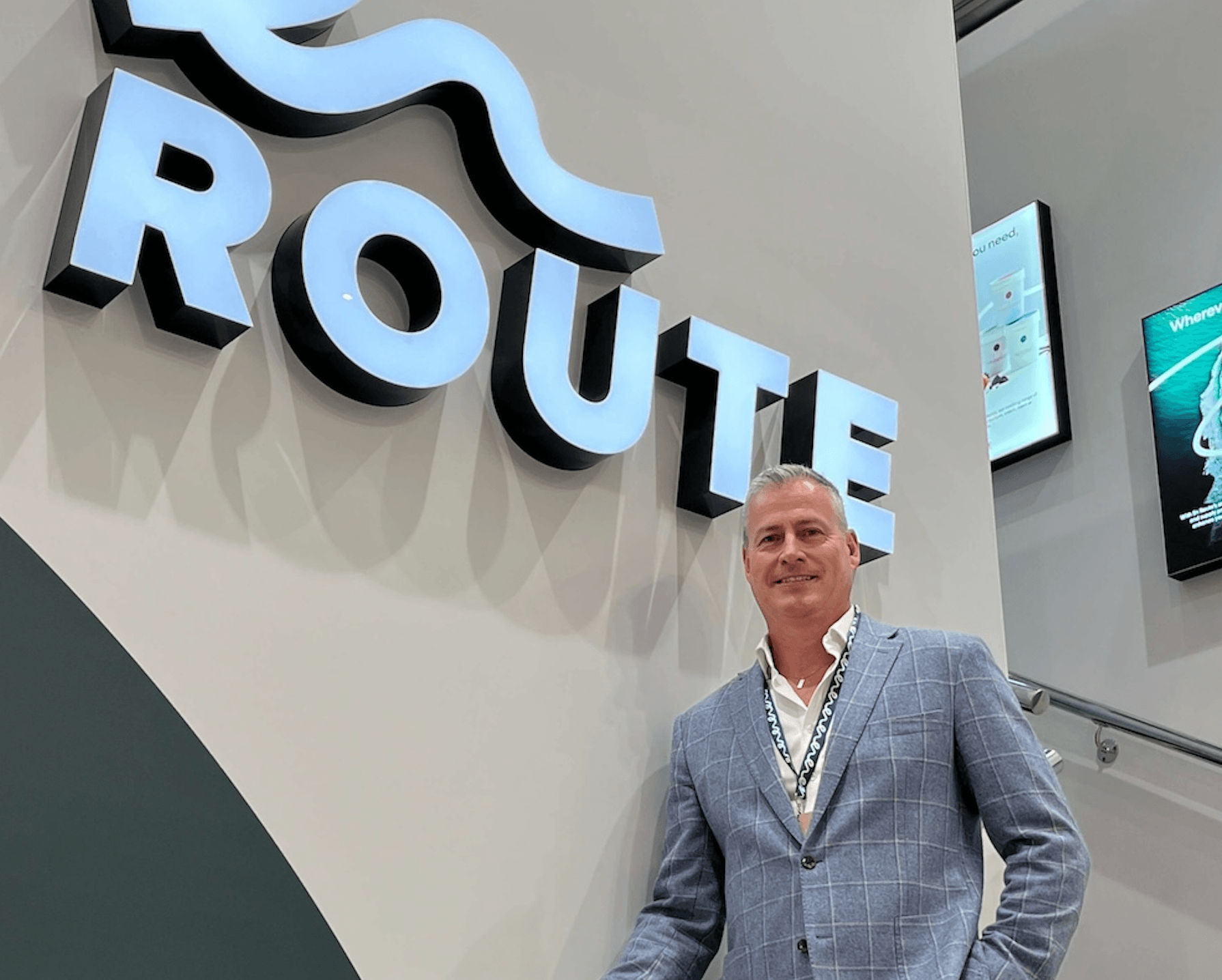
Nick Wiley, Managing Director, En Route
Caterers are measuring success through a different lens, the things that keep production stable and profitable such as efficiency, keeping SKUs under control, simplifying what gets manufactured and protecting margin.
Both sides are rational.
When costs rise, caterers naturally focus on standardization, SKU rationalization and operational efficiency. Afterall, with greater control comes predictability, right? Airlines however face a different challenge entirely. In the face of competition, differentiation is a core objective, and it is all about passenger experience and choice in the cabin. In simple terms, one side is often trying to reduce complexity while the other is seeking to create more value through greater choice.
The friction starts when something that looks like value to one becomes a headache for the other. A regionally sourced, story-driven menu might give the airline a stronger narrative and a more premium feel, but it can pile on procurement complexity and supply risk. A stripped-back catering approach can make operations smoother and more predictable, but it can also somewhat flatten the airline brand and remove the little touches that passengers notice.
The best opportunities are sitting in the overlap, where both sets of needs are met well to move the whole program forward.
The most effective onboard programs balance operational efficiency with a consistent passenger experience through thoughtful design
A common misconception is that quality increases costs. Often, the best onboard programs come from smarter design choices that reduce waste, improve sourcing and simplify operations. Done properly, those moves do not just protect the numbers, they can also make the passenger experience more consistent.
The bigger issue is that once upon a time airlines, caterers and specialist partners, such as En Route, worked in separate lanes. That setup is harder to defend now. Today calls for working models where the parties solve problems together, not one after another.
When collaboration is real, the focus shifts away from transactional procurement and toward shared results: lower total cost of ownership, stronger resilience in the supply chain, quicker innovation cycles and increased passenger satisfaction.
The question stops being, “what does it cost?” and becomes, “what does it deliver, and for whom?”
Airlines and caterers will always have different priorities, that part is not going away. And it does not need to. That tension is not a flaw in the setup; it is often the place where the best ideas come from.
The future of inflight hospitality will belong to organizations that connect passenger ambition with operational efficiency. Those that combine regional relevance with global scale, passenger choice with simplicity, innovation with resilience and commercial discipline with memorable experiences.
Passengers never see the complexity behind the scenes; they experience only the outcome. In an industry where disruption is nearby, balancing competing priorities may be the sector’s greatest competitive advantage.
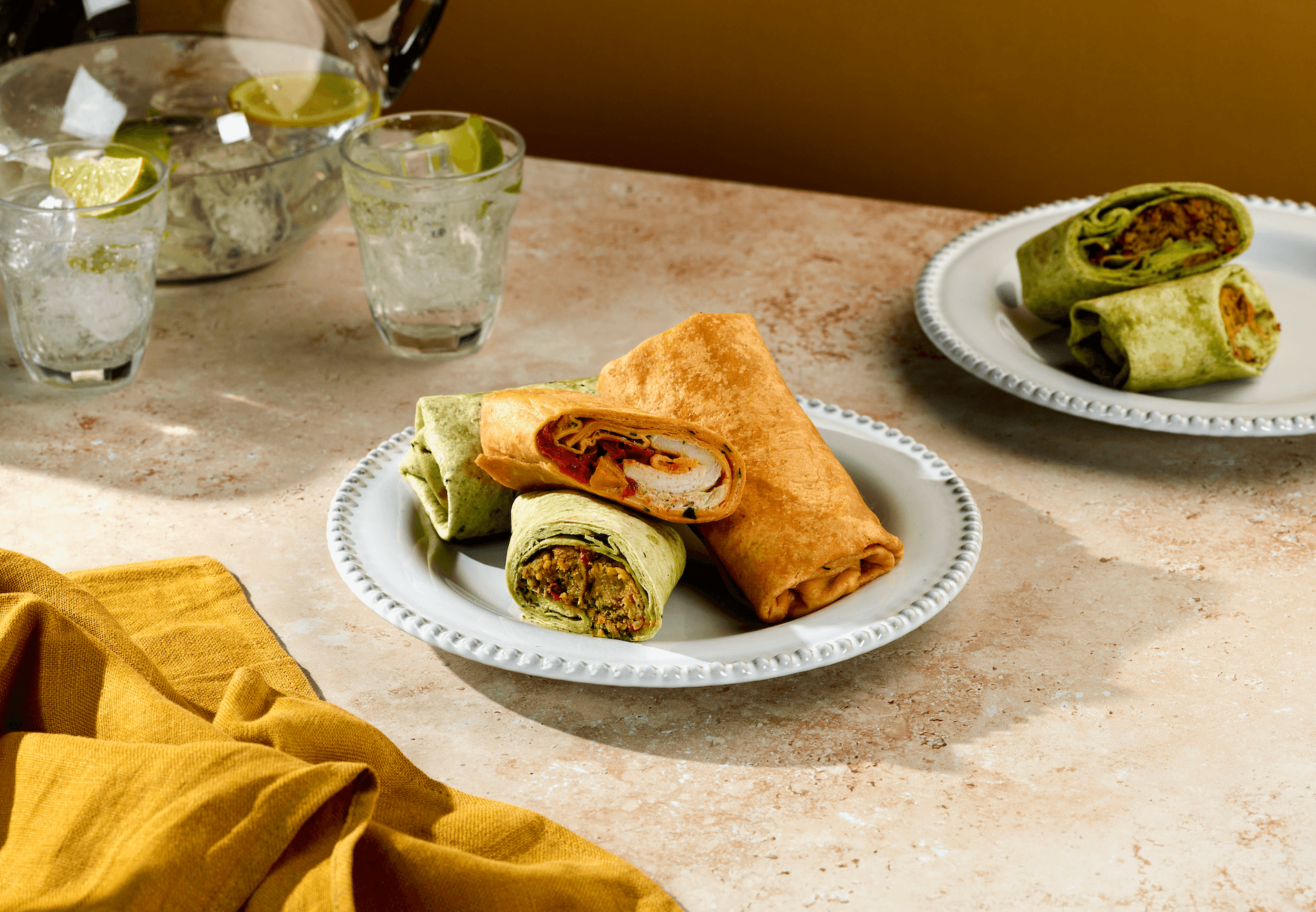
For airlines, food and beverage shapes brand perception and influences NPS, loyalty, differentiation and ancillary revenue
