
gategroup CEO Christoph Schmitz on why consistency is the new premium in airline catering
This is the front cover story from the May 2026 Post-WTCE/Awards issue of PAX International. The full article on page 18.

Christoph Schmitz, CEO, gategroup
There are few things more frustrating than recommending something that turns out to be not-so-good. Whether it is a restaurant, a spa service or a performance, inconsistency kills. The same rings true for airlines looking to redefine premium travel. Consistency is emerging as one of the most valuable markers of quality in the onboard experience.
For gategroup CEO Christoph Schmitz, delivering a seamless standard of hospitality across a vast global network has become central to the company’s long-term strategy.
“At our scale, my decisions for 2026 really come down to a single promise: that we will deliver the same world-class excellence whether a meal is served in Zurich or Sydney,” Schmitz says.
That promise sits at the heart of gategroup’s evolution as the world’s largest airline caterer evolves beyond traditional foodservice into a technology-enabled hospitality partner. Across hundreds of kitchens and operations worldwide, the company is investing heavily in digital infrastructure, AI-supported forecasting and standardized production systems designed to ensure premium quality can be delivered reliably at scale.
“Today, that transformation is firmly underway and increasingly visible in how we operate,” Schmitz says.
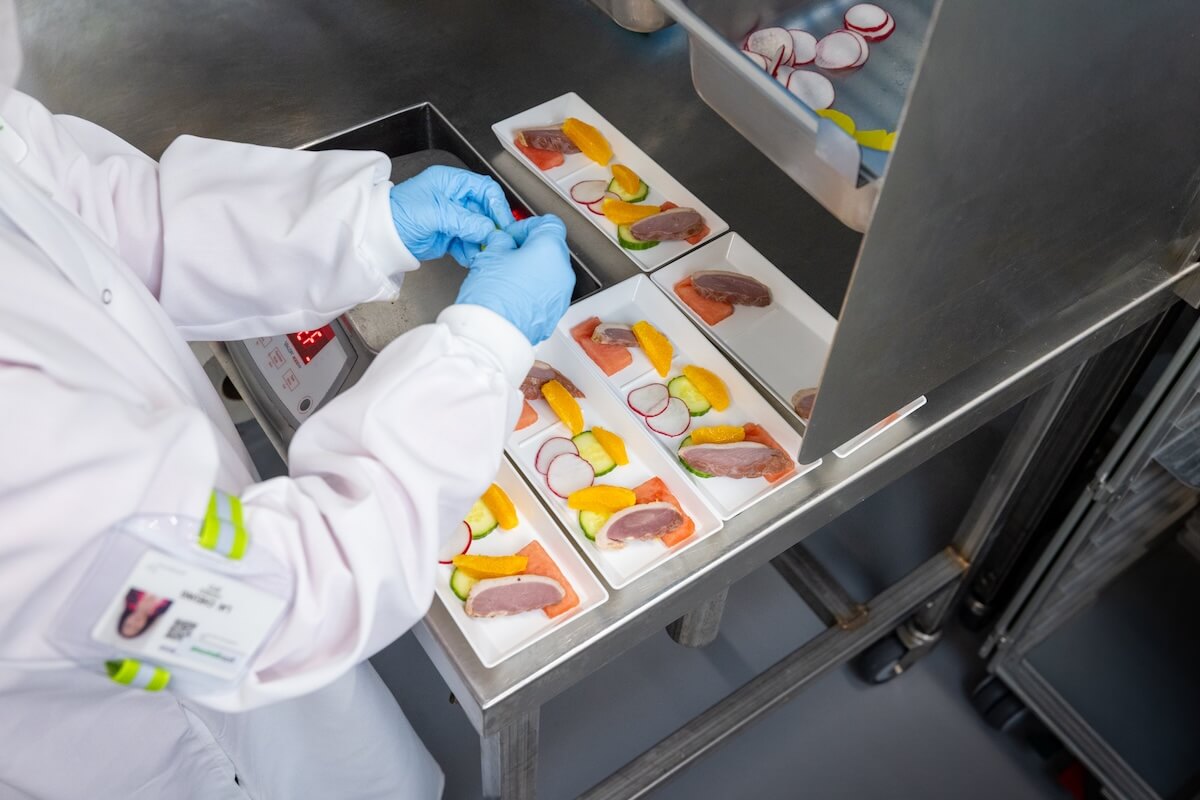
Whether in Zurich or Sydney, gategroup’s commitment remains the same: delivering world-class excellence at every touchpoint, on every plate
Reliability as the market differentiator
For gategroup, consistency is no longer simply an operational benchmark. It has become a defining feature of premium airline hospitality itself. Passengers may notice creativity and presentation onboard, but what increasingly shapes trust in an airline brand is reliability.
Achieving that level of consistency globally requires a combination of culinary discipline, operational coordination and advanced technology. Artificial intelligence is increasingly integrated into forecasting, production planning, inventory management and disruption recovery across the company’s network. In onboard retail, predictive systems are helping airlines better anticipate passenger demand while optimizing product loading and assortment planning.
“Done well, AI improves accuracy, reduces substitutions and cuts waste while making choice feel more personal,” Schmitz says.
Importantly, Schmitz emphasizes that technology is not replacing the human element behind inflight dining. Instead, digital systems are designed to reinforce culinary execution by ensuring menus and concepts can be reproduced across global operations.
“Data does not replace the chef’s craft—it protects it,” he says. “It provides the global framework that ensures a chef’s creative vision is delivered with absolute consistency.”
That balance between creativity and operational precision is becoming increasingly important as airlines seek to elevate premium cabins while also managing costs and supply chain pressures.
Rather than relying on broad averages, gategroup uses data science to analyze demand patterns based on route, cabin, seasonality and passenger demographics.
“That allows airlines to balance choice with operational discipline,” he says. “By predicting uptake with greater precision, we can design menus that perform better while reducing waste.”
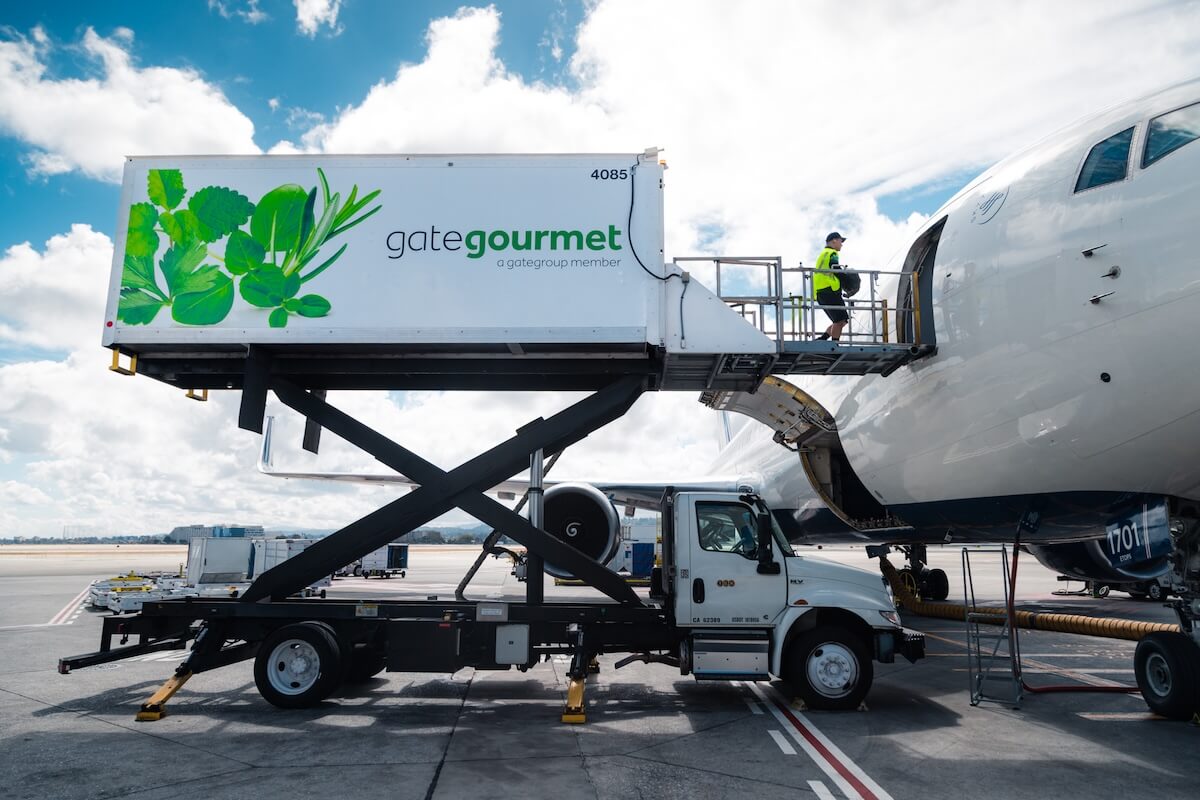
Powered by a global logistics network, gategroup delivers consistency, efficiency and reliability at scale
With great scale comes great responsibility
Operational resilience also remains a key focus as the company expands its digital capabilities globally. Schmitz says gategroup’s reach comes with responsibility—not only to innovate, but to provide stability for airline partners navigating an increasingly complex operating environment.
“Our scale gives us a unique duty to provide through-the-cycle resilience,” he explains.
That thinking is also shaping the company’s broader Smart Production vision, combining automation, predictive analytics and standardized workflows to strengthen efficiency and traceability across catering operations. The objective is not only to optimize operations, but to deliver greater reliability and consistency across every touchpoint of the passenger experience.
As inflight hospitality continues to evolve, Schmitz believes premium service will increasingly be defined not only by luxury or personalization, but by an airline’s ability to deliver dependable excellence every time a passenger steps onboard.
