
gategroup powers future of inflight catering with AI and intelligent automation
This is a special feature from the September 2025 IFSA Global EXPO issue of PAX International, on page 14.

From AI analytics to automated meal assembly, gategroup showcases how smart operations elevate inflight service
In an industry where timing, taste and traceability are everything, gategroup is turning up the heat—not just in its kitchens, but in how it leverages technology to redefine inflight catering. The global leader in airline food solutions is investing heavily in intelligent automation, AI and system-wide innovation, with North America taking the lead on several bold initiatives.
From AI-powered analytics to high-speed meal assembly systems, the company is proving that smart operations are the key ingredient in future-proofing inflight hospitality.
Innovation takes off in North America
Across major airports in the U.S. and Canada, gategroup is piloting and scaling technologies that are reshaping how inflight meals are produced, packed and delivered.
At Los Angeles International Airport (LAX), the company has partnered with a Singapore-based AI venture to test computer vision solutions that bring real-time intelligence to the production floor. The goal is to optimize workflows, flag quality issues instantly and empower teams with actionable data.
“At gategroup, we see intelligent automation as a strategic enabler, not just about efficiency. It enables us to raise the bar on accuracy, agility and end-to-end visibility, transforming every operational moment,” Sandro Bregante, Chief Information Officer, gategroup, tells PAX International.

Sandro Bregante, Chief Information Officer, gategroup
At Toronto Pearson (YYZ), the site’s end-to-end automation and data flow architecture connect kitchen operations seamlessly with airline schedules and aircraft provisioning. That means better visibility, faster turnaround and tighter control over quality and timelines.
In Chicago O’Hare (ORD), the implementation of APT’s HotFill system, designed for high-speed hot meal packaging, is delivering gains in both efficiency and food safety. The system automatically fills, seals and checks meal trays at a pace that manual processes simply cannot match, without compromising on consistency or presentation, Bregante explains.
While robotics from gategroup’s European sites have yet to touch down in North America, the company hints to PAX International that more advanced automation could soon be en route.
The gatehorizon edge
These initiatives fall under the umbrella of gatehorizon, gategroup’s global innovation program. Unlike traditional R&D labs, gatehorizon operates as a cross-functional platform that identifies, tests and scales impactful solutions at speed.
Its secret weapon? A proprietary trendradar, which tracks emerging developments across the political, economic, social, technological, legal and environmental (PESTLE) landscape. The tool helps prioritize investments, identify strategic partners and ensure the group stays ahead of what is next in aviation catering and travel services.
Under gatehorizon, proofs of concept (PoCs) are run within 100 days—a sharp contrast to the years-long test cycles seen in the past. If it works, it scales. If not, it is back to the drawing board, and fast.
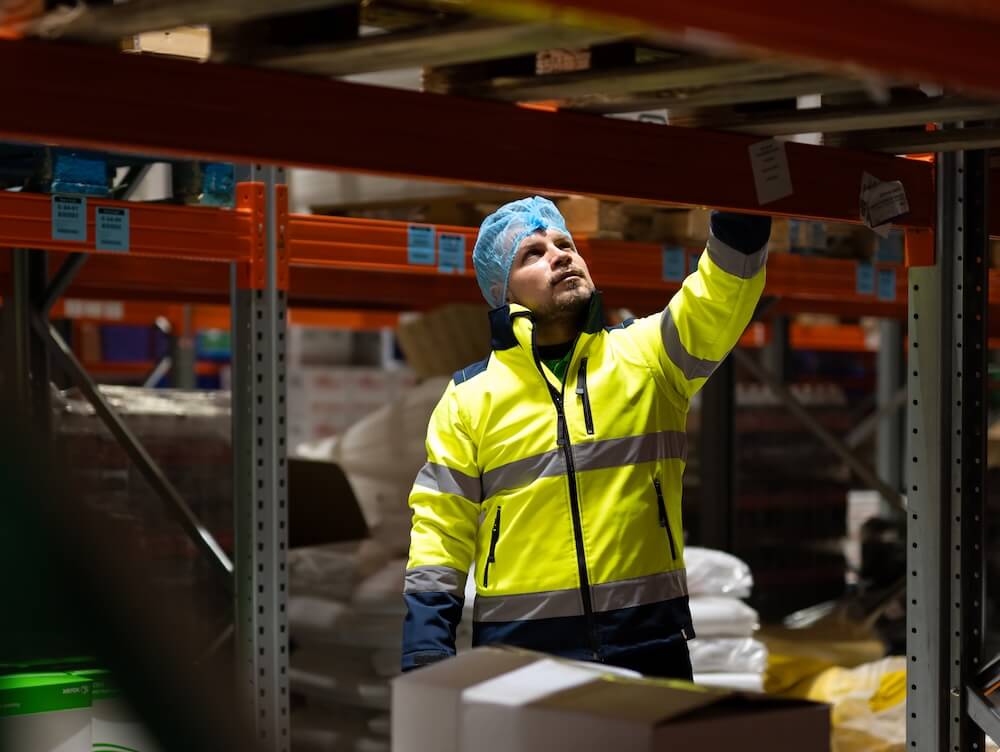
gategroup avoids automating for automation’s sake, instead focusing on tech that reduces waste, improves output or elevates the passenger experience
Reimagining the back office
Innovation is not just happening on the line. Behind the scenes, custom-built Power Apps are transforming how food requirements are processed across units. What once took hours of manual coordination is now streamlined in minutes, reducing errors and improving agility.
The broader transformation is guided by gateOpex 2.0, a new wave of operational excellence that combines lean principles with cutting-edge technologies, from AI-driven productivity tracking to real-time quality control tools and smart logistics systems.
Here, gategroup is careful not to automate for automation’s sake, Bregante explains. Instead, every tech investment is measured by its ability to reduce waste, improve output or enhance the passenger experience. Where automation adds value, the company leads. Where flexibility is needed, it remains selective and agile.
Global quality, local precision
For an airline meal, consistency is not just nice to have, it is a brand promise. Through platforms such as Menu Search, gategroup ensures that a meal served in Dallas matches one delivered in Dubai, down to flavor profiles and ingredient specs. This not only enhances the passenger experience but also reduces recipe complexity across regions and improves supply chain efficiency.
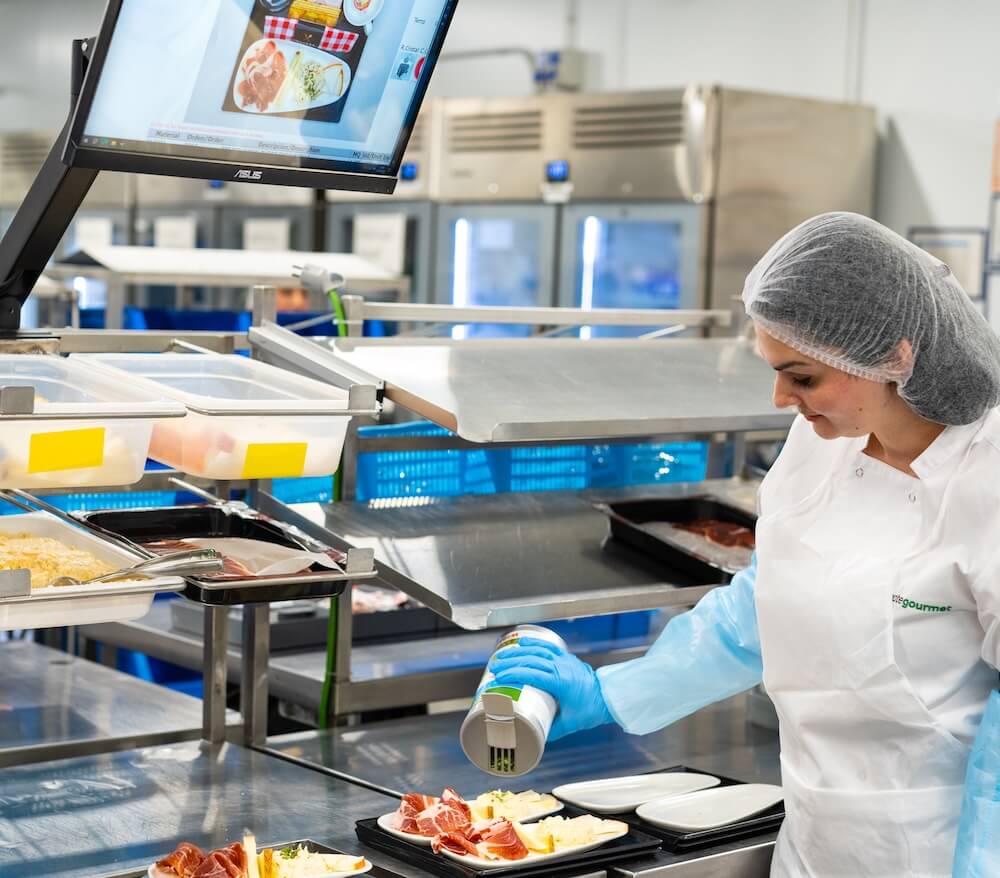
Smart operations are the key ingredient as gategroup modernizes inflight hospitality
Training and forecasting for the future
Among the more people-focused innovations is gategroup’s VR-based ramp safety training, which uses immersive technology to simulate real-life airport scenarios. Built from actual incident data, the training accelerates learning, boosts retention and helps reduce on-the-ground risks for staff and equipment alike.
On the data side, the company is scaling consumption analytics to better predict what passengers actually consume onboard. The tool blends historical trends with real-time flight-level data, enabling smarter provisioning, lower food waste and stronger sustainability outcomes, all while reducing payload for airlines.
“In a nutshell, our IT strategy is to simplify, standardize, innovate—and we intend to continue doing so,” Bregante says.
