
From kitchens to cabins: Vietnam’s aviation and culinary journey evolves
This is a special feature from the April 2026 WTCE Hamburg issue of PAX International on page 94.
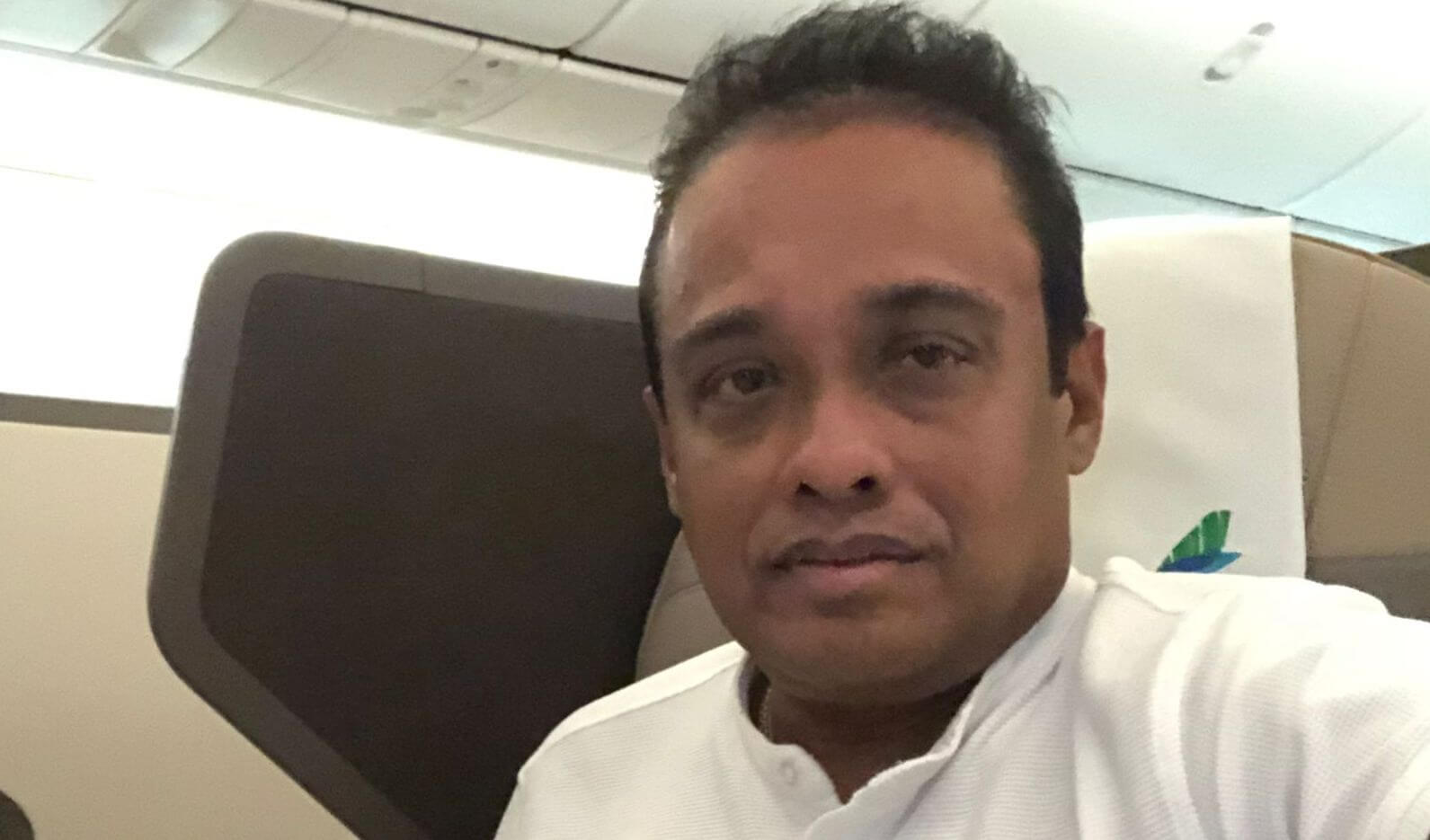
Keerthi “HappyK” Hapugasdeniya, Founder, HappyK Solutions
More than 25 years ago, my relationship with Vietnam began far from its shores, in the busy airline catering kitchens of Melbourne, Australia. At the time, I was responsible for Vietnam Airlines Caterers through Ansett Australia Catering Centre. What began as a professional role quickly became something far more meaningful, a gateway into Vietnamese culture, hospitality and an enduring passion for its food.
The aviation world looked very different then. Vietnam Airlines was the sole player in the skies and the idea of traveling to Vietnam felt both distant and exciting. When I finally boarded a flight to Ho Chi Minh City, the experience was transformative. The city was low-rise and unhurried; its skyline dotted with only a handful of tall buildings. From my hotel window, I could count the skyscrapers—each one hinting at a future that was still unfolding.
What struck me immediately was the food. From street stalls and local markets to family-run eateries, every meal told a story. Vietnamese cuisine revealed itself through fragrant herbs, delicate spices and balanced flavors that were both comforting and complex. Food was not simply nourishment; it was culture, memory and identity served on a plate.
Meals were often shared, and through those moments, I came to understand how deeply food is woven into Vietnamese life. Cooking was an act of care, hospitality a point of pride. Whether it was a humble bowl of pho or a communal feast, the warmth behind the food was unmistakable.
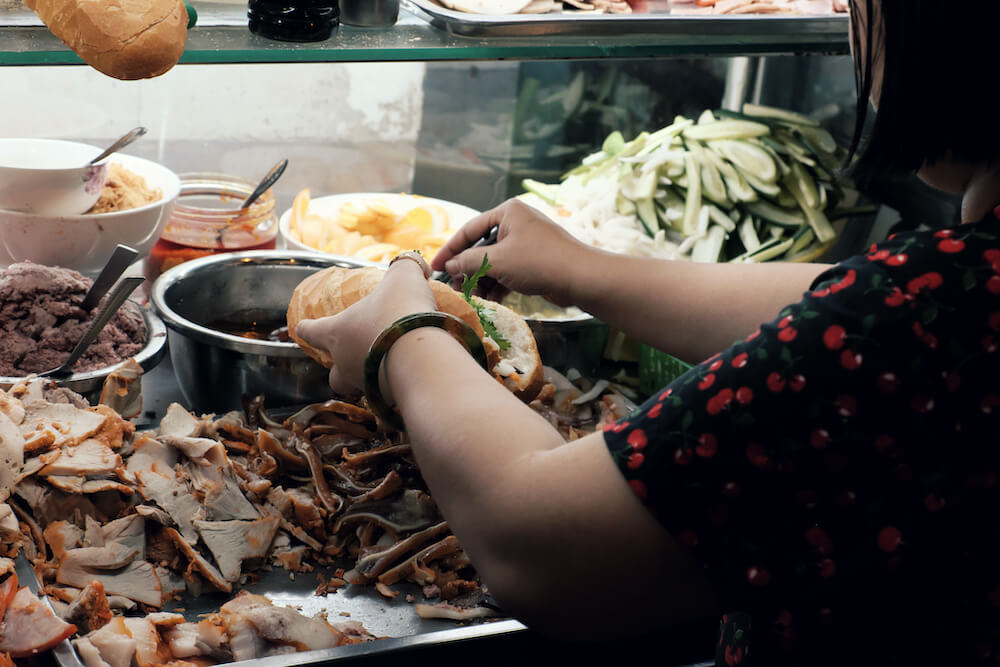
Many of Vietnam’s most beloved dishes are enjoyed as street food, cooked quickly and served fresh by vendors
Spending extended time in Central Vietnam further reinforced this sense of hospitality. Relationships formed easily, ideas were exchanged openly and invitations to lunch were frequent. I was welcomed not as a visitor, but as a guest.
Years later, my connection to Vietnam deepened again when I worked on establishing a second airline catering center at Tan Son Nhat International Airport in Ho Chi Minh City. Collaborating with SASCO Ground Services on a large-scale, modern production kitchen offered insight into how rapidly Vietnam’s aviation and catering sectors were advancing. Vietnam Airlines, once without competition, was now part of a growing and increasingly sophisticated market.
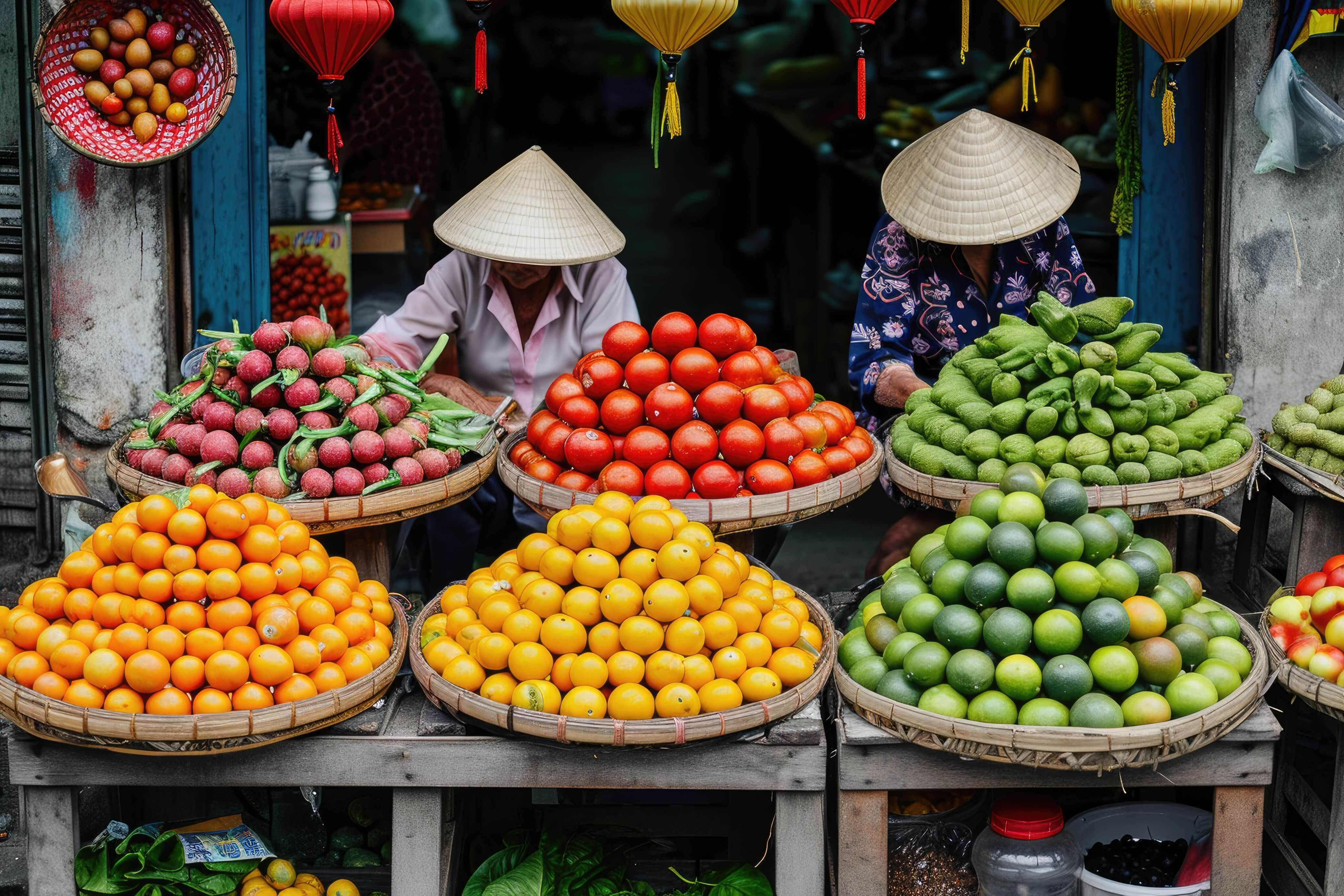
Fresh ingredients are central to Vietnamese cuisine, with many dishes built around crisp vegetables, fragrant herbs and freshly prepared components that highlight natural flavors
Navigating change in Vietnam’s culinary and airline industry
Today, Ho Chi Minh City tells a very different story. Its skyline is modern and ambitious, reflecting the country’s economic and cultural momentum. While contemporary cafés, fusion restaurants and global brands have arrived, the heart of Vietnamese cuisine, street vendors and family-run kitchens remains firmly intact.
Building airline catering operations miles from the airport presented complex logistical challenges, requiring precision, consistency and strict adherence to global standards. These demands mirrored broader changes in Vietnam’s aviation industry, which evolved by blending Western operational models with Asian service philosophies.
Brands such as Starbucks, McDonald’s and KFC have found enthusiastic audiences, particularly among younger consumers, but they coexist alongside traditional dishes like pho and banh mi. This fusion reflects a confident, global outlook that still honors local identity.
For airlines, Bamboo Airways has emerged as a distinctive player, combining boutique-style service with high-end offerings. Supported by its parent company, FLC Group, Bamboo delivers an integrated travel experience encompassing flights, ground transport, hotels and resorts. This holistic approach has earned strong loyalty and positioned the airline uniquely within Vietnam’s competitive landscape.
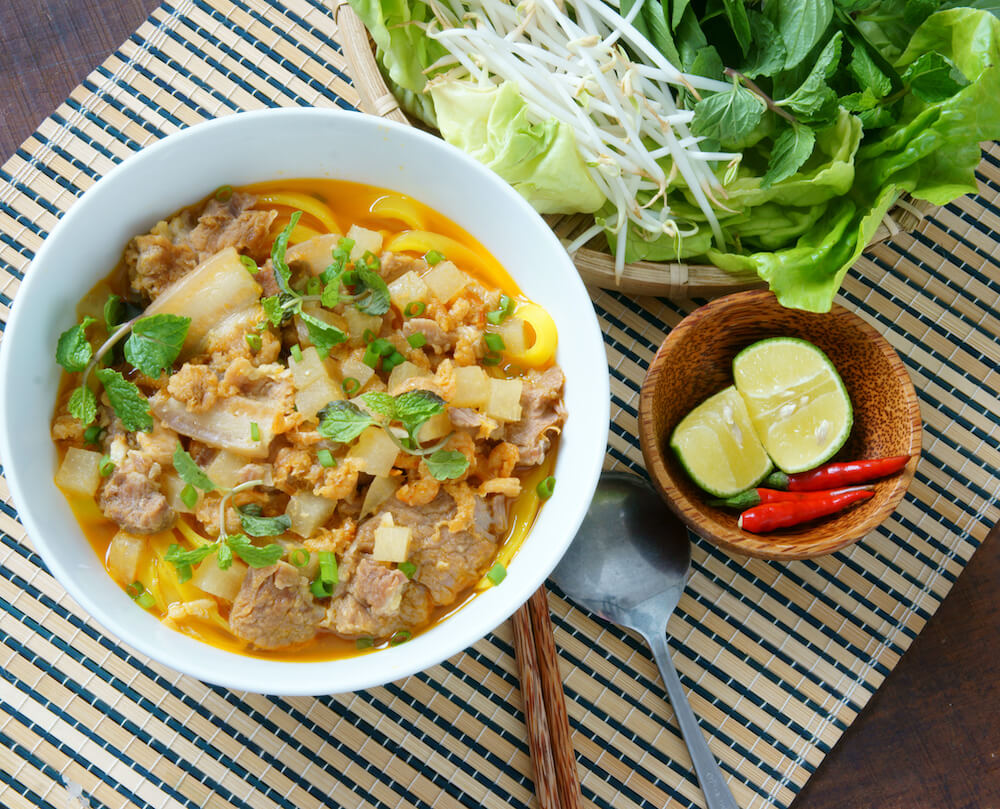
Vietnamese food often combines sweet, sour, salty and spicy elements, creating a distinctive balance of flavors in each dish
The evolution of Vietnamese culinary experiences in air travel
Vietnamese airlines have increasingly brought local flavors onboard, transforming inflight dining into a cultural experience. Dishes inspired by street food—pho, banh mi and regional specialties—connect passengers to home.
During the pandemic, this localization became even more important as travelers sought familiarity and comfort. Airports evolved into culinary destinations, and airlines embraced menus that celebrated Vietnamese heritage. VietJet Airlines has stood out with bold positioning, creative marketing and strong regional ambitions.

Vietnam’s lush green landscapes, shaped by a tropical climate and fertile soil, support the fresh herbs, vegetables and other ingredients that form the foundation of the country’s cuisine
A journey of locality and hospitality in the skies
Flying in Vietnam today is about more than transportation. It is an extension of the country’s culture defined by warmth, authenticity and pride. Whether traveling with Vietnam Airlines, Bamboo Airways, VietJet or emerging carriers, passengers encounter a journey shaped by local flavor and genuine hospitality.
In Vietnam, hospitality is a way of life, and that spirit carries seamlessly from the streets to the skies. Every flight offers not just a destination, but an invitation to experience the country’s culture, cuisine and character before you even land.
