
Astronics AES puts reliability and long-term value at the center of in-seat power
This is a special feature from the November 2026 APEX FTE EXPO issue of PAX Tech on page 28.
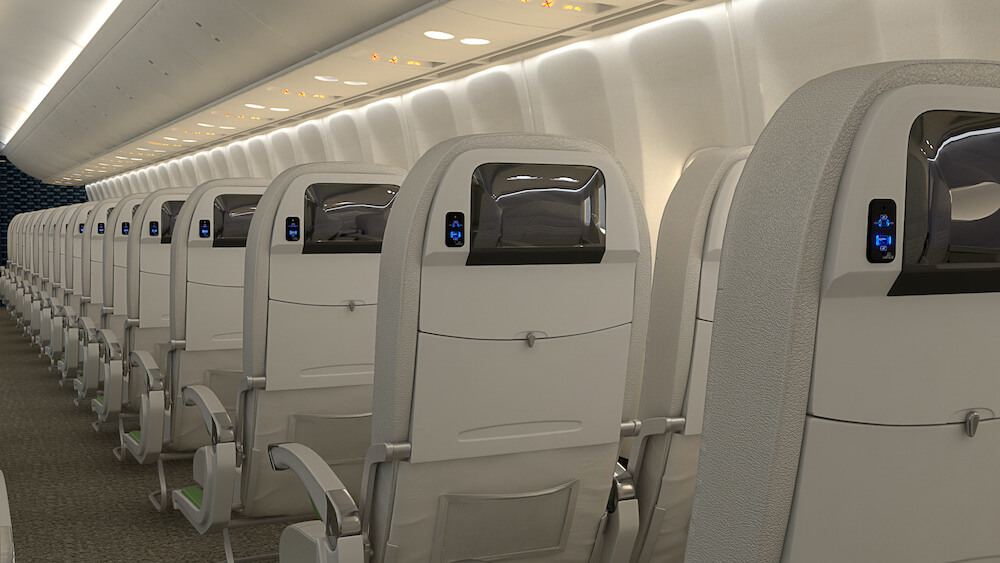
The demand for in-seat power has shifted from an amenity to an expectation
According to a 2025 IATA passenger survey, 83 percent of passengers carry a phone with them when they fly.
Passengers have become so entangled with their phones, that the technology has become an essential part of the entire travel journey. Beyond an inflight entertainment solution, it hosts boarding passes, medical information, rideshare options and more. Passengers must arrive with a device that is charged and functional.
According to Dennis Markert, Vice President, Cabin Electronics at Astronics AES, that need has shifted in-seat power from an amenity to an expectation.
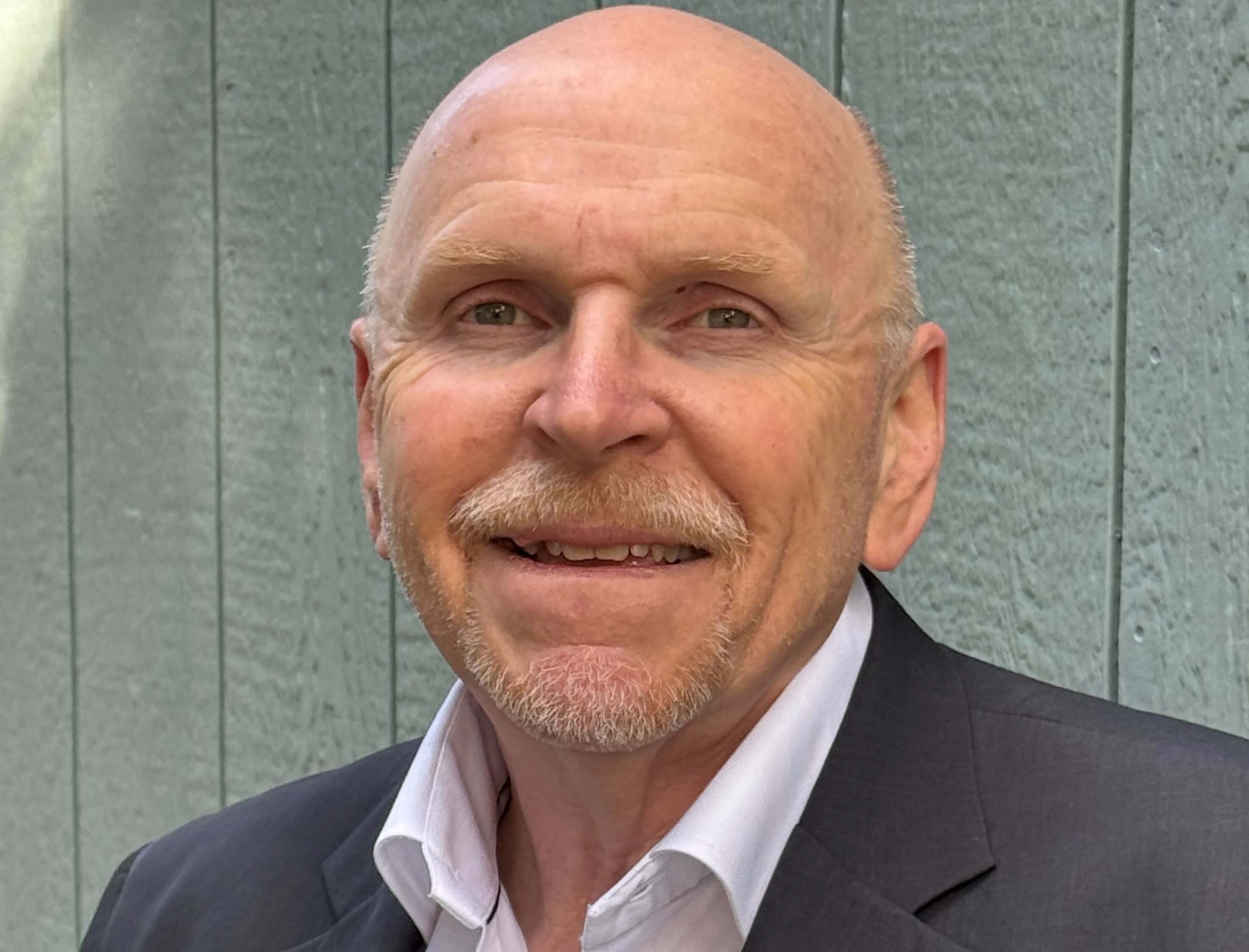
Dennis Markert, Director Business Development, Astronics AES
“Passengers are surprised and disappointed when their seat does not have power. The conversation is less about whether charging is available and more about what kind it is, how quickly it charges their device and whether it works reliably,” he tells PAX Tech.
The big picture
The conversation for airlines evaluating in-seat power investments usually begins with acquisition cost, weight and certification. But, says Markert, airlines looking beyond the immediate need also consider implementation risk, upgradeability, supplier longevity and demonstrated reliability, and maintenance performance.
“The lowest purchase price does not necessarily deliver the lowest lifetime cost,” he cautions. “Ultimately, long-term Return on Investment comes from a system that performs consistently, requires minimal maintenance and has a practical upgrade path—backed by a supplier that will support it throughout its service life.”
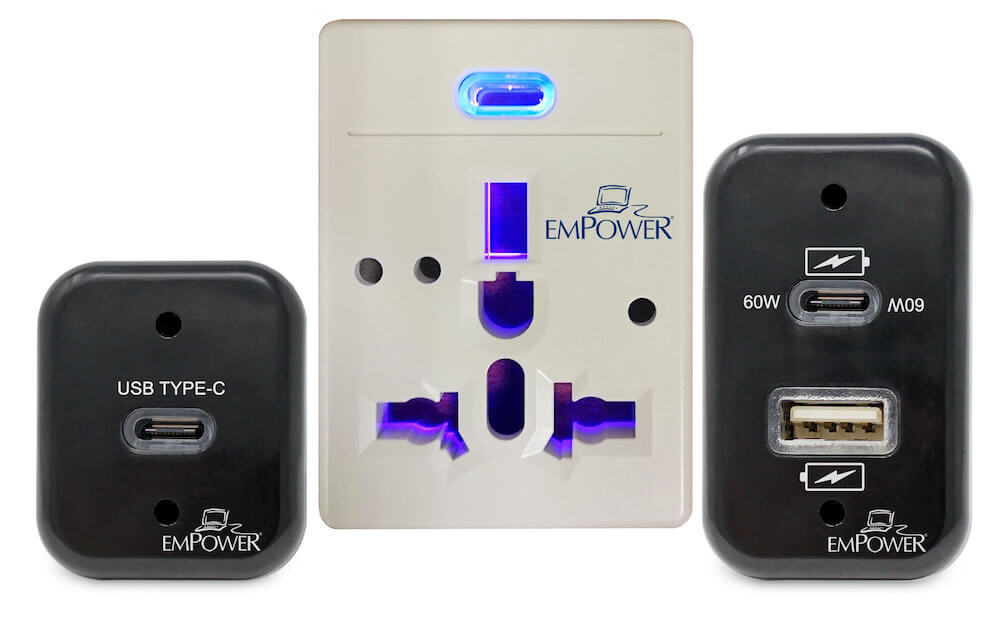
Astronics EmPower Type-C in-seat power outlets
With several passengers carrying multiple devices, in-seat power supports more than charging.
“A powered device allows passengers to use the airline’s entertainment, connectivity and other digital services throughout the flight. Power ensures airlines realize the value of those broader investments,” says Markert.
He asserts that the operational value matters too, advising that airlines should assess system availability, maintenance requirements, repair costs and the ability to upgrade without replacing the entire installation.
“Reliable power can mean fewer charging complaints and maintenance interventions, while a practical upgrade path extends the investment’s useful life. The full value is both what power enables for passengers and how economically the airline can keep delivering it,” he explains.
A long-term approach
The decision to retrofit or upgrade an existing in-seat power system can be influenced by installation complexity, aircraft downtime and lifecycle costs. While in-seat power can be less complex to upgrade than many other cabin systems, the starting point matters, contends Markert.
“Existing wiring, available electrical capacity and aircraft- and seat-specific certification requirements all influence installation cost and schedule. Proven systems with established approvals can reduce that uncertainty,” he says.
Timing is another important lever.
As Markert explains, coordinating installation with a heavy maintenance check or cabin refresh can reduce additional downtime, provided the engineering, approvals and equipment are ready.
“The business case should also reflect the aircraft’s remaining service life and the system’s ongoing maintenance and upgrade costs. Our job at Astronics is to simplify integration and help airlines make an investment that makes sense beyond installation day,” he says.
Making that long-term investment viable does not have to come at the cost of delivering the latest passenger-facing technology.
“These goals are not mutually exclusive; they can be complementary,” Markert reassures. He says that while charging technology evolves, from USB-A to USB-C or Qi to Qi2 wireless for example, the investment fundamentals remain the same. “Working with suppliers who invest in ongoing product development, a pedigree of strong certification experience and a history of dependable reliability and support.”
