
Cabin design meets content: Social media reshapes the inflight experience
This is a special feature from the April 2026 AIX Hamburg issue of PAX Tech, on page 52.
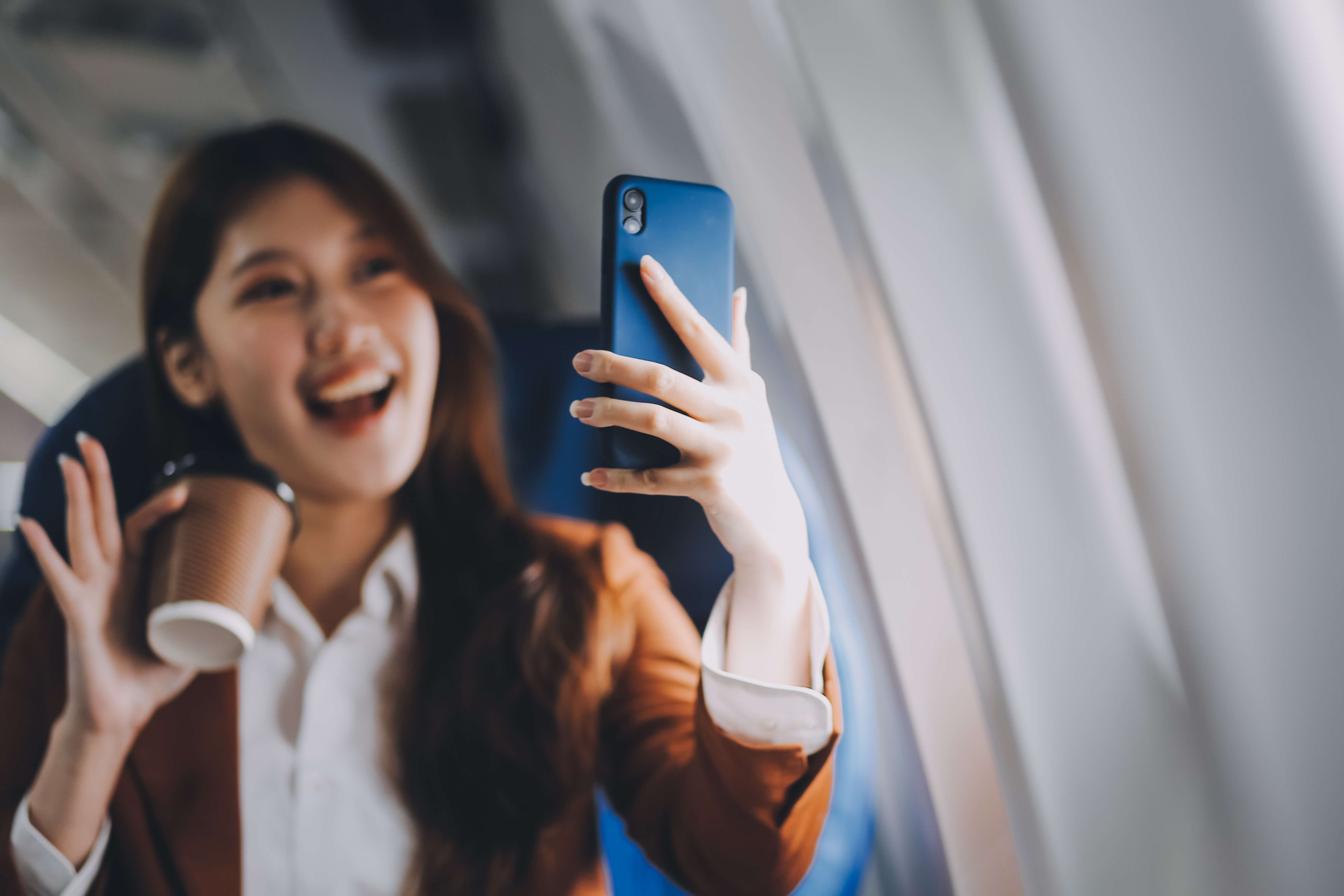
Every passenger is a potential influencer on social media. Credit Titiwoot Weerawong
According to social media management platform Dash Social’s 2026 Social Media Trends Report, audiences do not need to hit the “follow” button to feel a connection to a brand or content anymore.
The report notes that on Instagram, non-follower views nearly doubled from 2024 to 2025, as user-generated content (UGC) plays a bigger role in social performance year over year.
Creator-led content, particularly short-form, immersive content, increasingly carries reach and engagement, expanding how brands show up beyond owned channels.
In travel, UGC—from selfies to short-form video—has become a powerful force in destination discovery, inspiration and storytelling, prompting airlines and design teams to rethink cabin branding strategies.
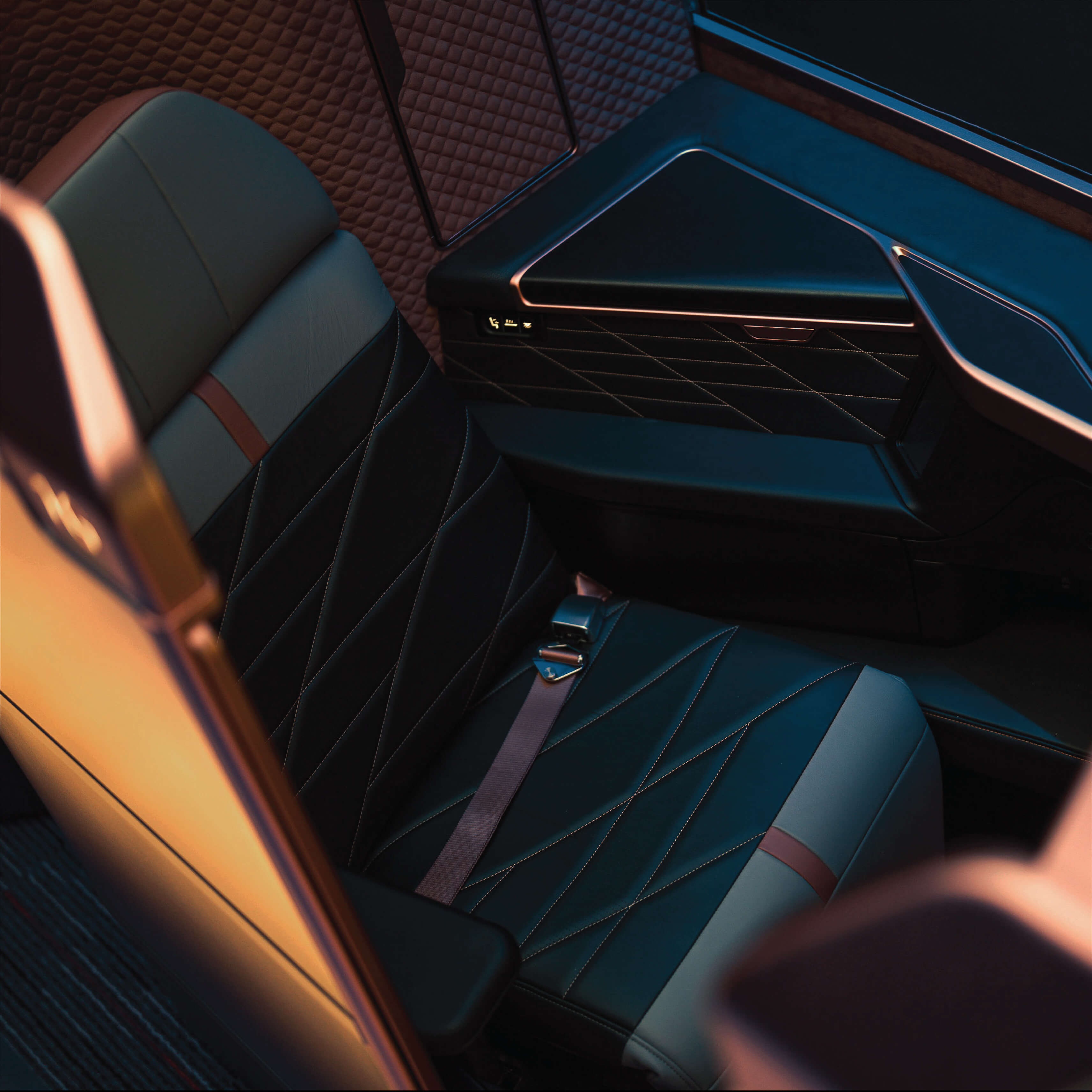
BMW DesignWorks relied on atmosphere and emotion to help create the brand for STARLUX
All the cabin is a stage
An aircraft interior is the stage on which travelers, crew and content creators perform, so by default, there is an association with social media these days, Adam White, Director of Factorydesign tells PAX Tech.
“The designers involved in cabin design have been resolutely creative for all the years we have been involved; social media can amplify the success of a cabin design, but do not necessarily contribute to the design process. Not yet anyway,” he adds.
While agreeing that the cabin is no longer just a product but a setting for storytelling and content creation, Nathan Portlock, Associate Director at BMW DesignWorks, takes a different approach to how social media is changing the way cabins are designed.
“A few shifts have happened alongside the rise of social media,” Portlock says. “We are seeing changing demographics in premium cabins, a greater willingness to spend on leisure travel and a growing awareness among the most forward-thinking airlines that attracting younger, more culturally engaged passengers requires a different approach to branding.”
Honor Jennings, Senior Strategy Designer at PriestmanGoode, says social media has not just changed how passengers see the cabin; it has changed how designers light and sculpt it.
She explains, “Our role now is to create engaging environments where the airline’s identity is the backdrop to the passenger's journey, and quite literally their stories.”
For Jennings, it is no longer about slapping a logo on something. “There is an expectation from users to see and feel the brand reflected in their experiences. Our briefs involve embedding the brand’s DNA directly into the cabin alongside the experiences within it.
Riyadh Air’s Canopy Twist serves as a unifying symbol across the airline’s ecosystem, blending heritage with modernity. Credit – PriestmanGoode
Ready for the close-up
BMW DesignWorks’ Portlock says this reflects a more deliberate use of influencer and content-driven marketing among airlines.
“As a result, many established carriers now think carefully about how their brand appears in the cabin through moments that naturally end up in photographs, from aft bulkhead graphics to subtle seat branding and details that read well in a selfie without feeling overt,” he tells PAX.
PriestmanGoode’s Jennings says that as the world of social media helps inform and influence the flights that younger generations choose, it amplifies the importance of considering the entire passenger experience and the touchpoints throughout.
“It is about facilitating moments for discovery and joy, and creating memorable experiences that begin before booking, take place inflight and continue beyond arrival,” she says.
To create a truly immersive brand experience goes beyond traditional markers such as color palette or logo, Factorydesign’s White suggests starting with what is most pertinent to the carrier.
“For instance, adding a prayer room space for Middle Eastern travelers reinforces the airline’s offer for the region, in the same way that adding a lounge and bar might reinforce the brand for other parts of the world. The brand is, after all, a sum of the parts beyond color, material and finish (CMF),” he explains.
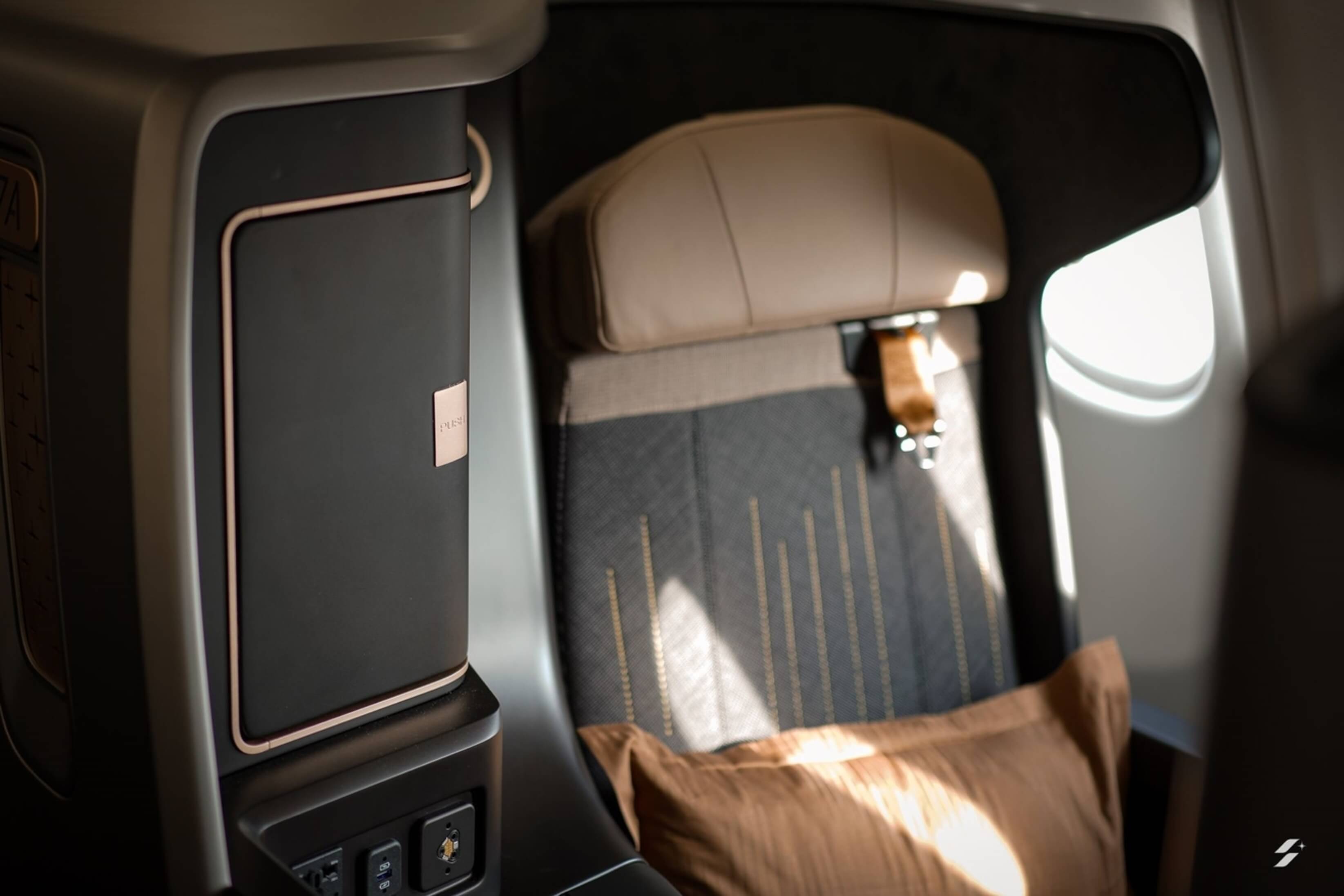
STARLUX says it elevates the level of luxury and comfort for all passengers with its unique “Home in the Air” experience. Credit – STARLUX
Building mystique
Taiwanese airline STARLUX prides itself on “valuing every detail of each journey, aiming to satisfy passengers with every aspect of its services.”
BMW DesignWorks enjoys a long-term, ongoing relationship with the airline, a collaboration Portlock calls “a unique opportunity.”
He explains that as a new boutique airline without an established visual language, the focus was less on recognizable brand markers and more on creating an emotional and sensory experience.
“For the first-generation cabins in particular, we prioritized how the space feels rather than how it looks, allowing mystique and atmosphere to do the storytelling before the brand became widely known.”
STARLUX launched commercial services in 2020 with the narrow-body A321neo, and a theme of “Pure Tea” with custom-made designs for seating, fabrics and surfaces.
Aiming to provide privacy and comfort, Economy Class seating features bright and natural colors, and ultra-thin seatbacks engineered to increase legroom. Every seat is equipped with a leather headrest.
The atmosphere of STARLUX Business Class is comparatively more settled and tranquil, employing dark and elegant colors to evoke the majesty of the galaxy. While the cushions and privacy dividers feature a classic dark grey, the Cashmere Silver color—inspire by BMW—adds a futuristic, high-tech touch to the back shells.
Meanwhile for STARLUX’s A350-1000 cabin interior, the theme is “Glisten.”
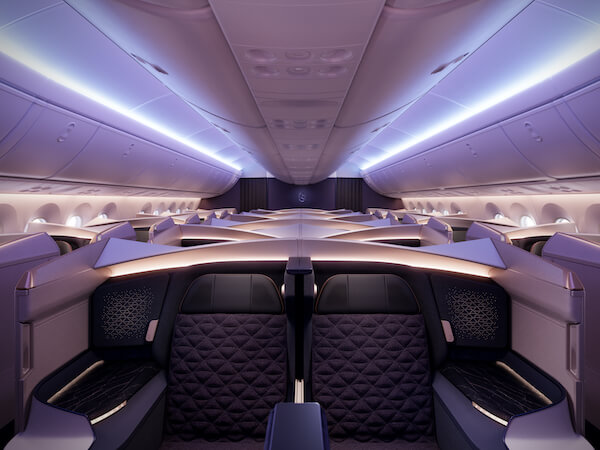
First Class and Business Class are designed around the theme of “Enchanting Sophistication,” suggesting sitting on a throne in a magnificent palace, with warm, woven fabrics and luxurious textures, embellished with a royal rose gold hue.
According to Portlock, the backlit secant graphics on the aft bulkhead of the Business Class cabin became a defining visual moment, while the arrival sequence at doors one and two are designed to signal a transition from the outside world into a more refined, curated experience.
Premium Economy Class and Economy Class are designed around a separate theme — Relaxed Elegance, with the seats in both providing significant extra legroom.
“In terms of extending brand experience beyond color and logo, we increasingly draw on our work in automotive and branded environments,” Portlock shares. “This includes research into scent design, integrated haptics that support comfort and recovery, and atmospheric and lighting strategies that influence mood and well-being. These elements work together so the brand is not just seen but felt throughout the journey.”
STARLUX customizes the ambient lighting on its A350s, depending on the time of year; there are three lighting modes — Chinese New Year, White Christmas and Moon Festival. The lamps beside each Business Class seat add a cozy, welcoming touch to the cabin.
According to Jennings, PriestmanGoode designs for the senses, using this approach to create more inclusive experiences that meet the diverse needs of passengers. Such haptics could be a notification for those with hearing loss, as well as enabling more immersive entertainment experiences.
“If the visual brand promises luxury, then the haptics, the cool [look] of a metal latch or the grain of a textile, actually need to provide the physical proof,” she emphasizes.
Uploading stories
Jennings believes that cabin branding ultimately resides in the storytelling. She explains that this means looking at the passenger journey alongside the brand journey, shaping every touchpoint not just in how it appears, but in how it makes passengers feel.
“Is it excitement, joy, discovery or even calmness, reassurance or relief?” she asks in conclusion.
While the cabin has always offered rich opportunities for content, social media has made it a hotspot for creators.
“The challenge is creating moments that are visually distinctive yet authentic to the airline’s identity. When done well, those moments feel effortless and invite sharing without being designed solely for the camera,” Portlock says.
