
On location: Capacity, collaboration and culture with Panasonic Avionics in Osaka
.jpg)
Panasonic Avionics officially opened the expanded facility last month, increasing the size to more than 10,000 square meters
Panasonic Avionics Corporation (Panasonic Avionics) is marking two significant milestones: the expansion of its Avionics Business Unit (ABU) facility in Kadoma, Osaka, Japan, and sales of 500,000 Astrova 4K OLED screens. The company officially opened the expanded facility last month, increasing the size to more than 10,000 square meters, nearly doubling its previous footprint.
Since its launch in 2022, more than 45 airlines have selected Astrova across more than 150 aircraft installation programs to date, making it the fastest-adopted IFE solution in Panasonic Avionics’ history. Now, the Kadoma production space features doubled equipment capacity to support future demand.
Prior to the ribbon cutting on October 23, Panasonic Avionics welcomed industry journalists, including PAX Tech, to tour the facility and learn how the additional space and Astrova’s latest strides are informing Panasonic Avionics’ approach to IFE.
A step back in time
Walking through the ABU facility, a blend of pristine new interiors and legacy green flooring takes you back to Panasonic Avionics’ roots. The company was founded as Matsushita Electric Appliances Mfg. Co., Ltd. in 1918, later becoming Matsushita Electric Works in 1929 and eventually Matsushita Electronic Components in 1976. It was renamed to Panasonic Electronic Devices in 2005.
The company entered the aviation industry in 1979 by adapting the lightweight, compact and reliable technologies it had developed for the radio business.
.jpg)
Andy Masson, Senior Vice President Product & Strategy, Panasonic Avionics (left) and Daichi Kato, Vice President, Panasonic Connect at the ABU facility in Kadoma, Osaka, Japan in October
Guiding the ABU facility tour were Panasonic Avionics’ Andy Masson, Senior Vice President Product & Strategy, and Daichi Kato, Vice President, Panasonic Connect.
“A few years ago, we set out to alter the cabin experience by redefining the passenger experience, and that is where the Astrova journey began,” Masson said.
The ABU facility expansion has increased Panasonic Avionics’ production capacity to six times its 2024 level. This emphasizes one of three pillars that the facility is showcasing as part of its recent unveiling: Capacity, collaboration and culture.
Increasing capacity
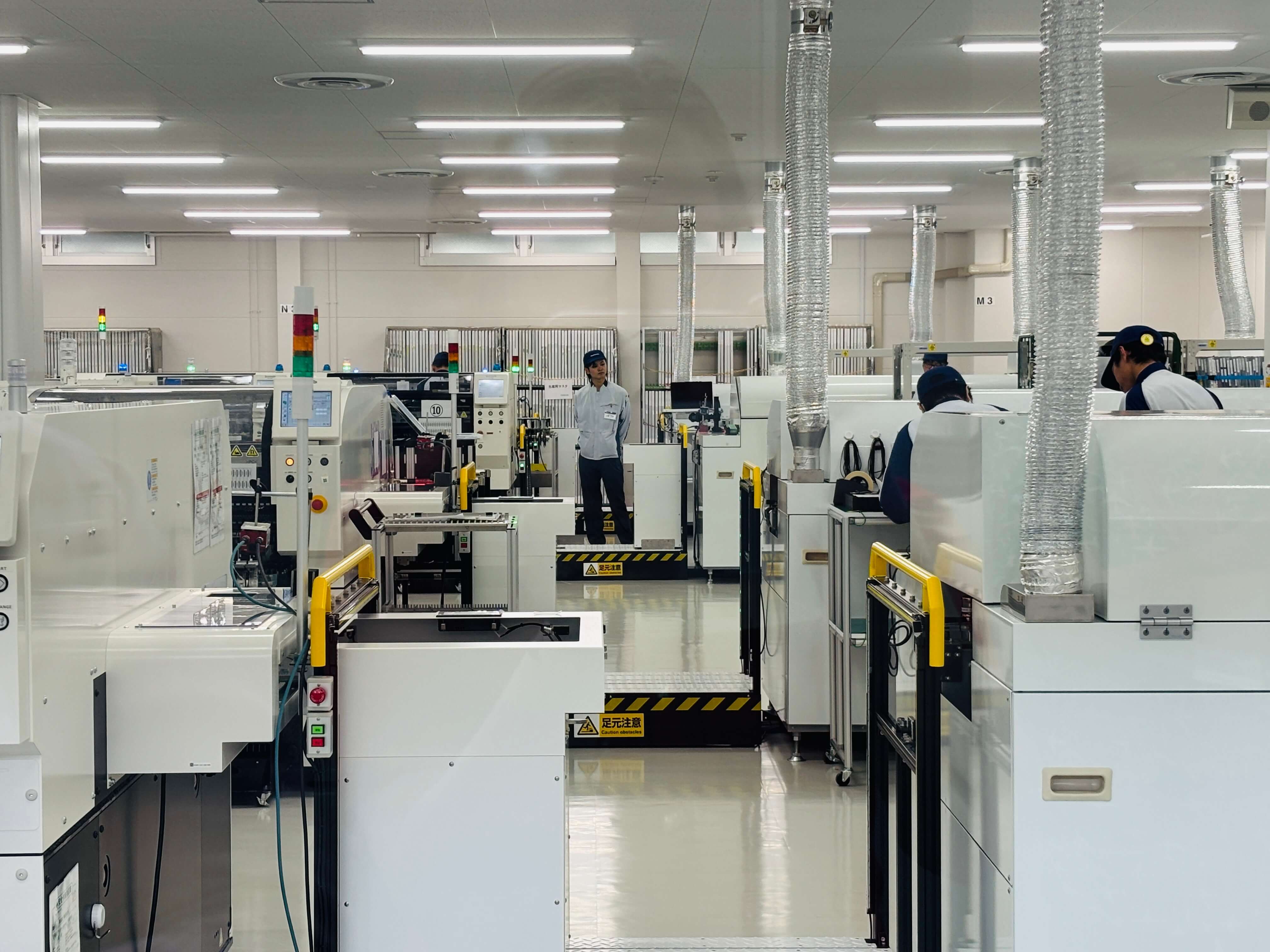
The ABU facility expansion has increased Panasonic Avionics’ production capacity to six times its 2024 level
Proven technology, consistent manufacturing, constantly evolving. As of October 22, 2026, Panasonic Avionics’ Astrova rollout has achieved 500,000 monitors sold, comprising more than 45 unique airline customers across more than 150 Astrova installation programs.
“It has met and surpassed our expectations of how a product has operated in this market,” Masson said.
He identifies technology, industrial design and sustainability as three key influences that shaped Astrova’s development. Masson says one of the biggest risks with Astrova was the scale necessary to make the business case for the product–Astrova’s adoption is now 3.3 times that of Panasonic Avionics’eX1 and eX3 systems.
“It certainly had not been done in a cabin before,” he says.
Collaboration and connection
.jpg)
The expansion also gives ABU room to grow its on-site workforce, which currently sits at around 1,200 employees
Connecting people, knowledge and technology, Panasonic Avionics brings together strengths from within and beyond its organization to co-create across borders and boundaries.
Moving through the renovated facility, the tour leads us through Receiving Inspection, Optical Bonding, Final Assembly and Parts Manufacturer Approval, observing a combination of full-time Panasonic Avionics employees and contractors completing the production process of the Astrova monitors.
Masson says Panasonic Avionics plans to keep growing as it expands Astrova production capacity to meet delivery schedules and support multiple airline programs.
“One of the reasons we moved forward with the expansion is to hit our sales into an operation planning model,” he explains. “We know what we are capable of, and we can up that production capability.”
The expansion also gives ABU room to grow its on-site workforce. Employees currently work two shifts a day, but Masson says the facility could now accommodate a third.
A cultural shift
.jpg)
Panasonic Avionics welcomed media at the ABU facility in Kadoma, Osaka, Japan in October for a tour of the expanded facility
The current workforce of 1,200 are an integral part of Panasonic Avionics’ success.
Panasonic Avionics’ Culture pillar emphasizes employees’individual strengths, expertise and shared efforts to turn knowledge and experience into new ideas. At ABU, a 15-person culture team works to improve employee satisfaction.
Kato describes ABU’s growth strategy as built on cultural transformation that supports happier colleagues and customers. He says timely, empathetic communication, support for talent development and a commitment to diversity, equity and inclusion are central to that foundation.
Since Kato took on his current role four years ago, he has seen significant transformation in the way colleagues interact and speak up in the workplace.
The change within the facility starts with a culture shift, with the ability to enhance manufacturing building upon that foundation, says Kato. And beyond that, approaching management and engineering chain management, transformation, especially by utilizing digitalization.
Cleared for takeoff
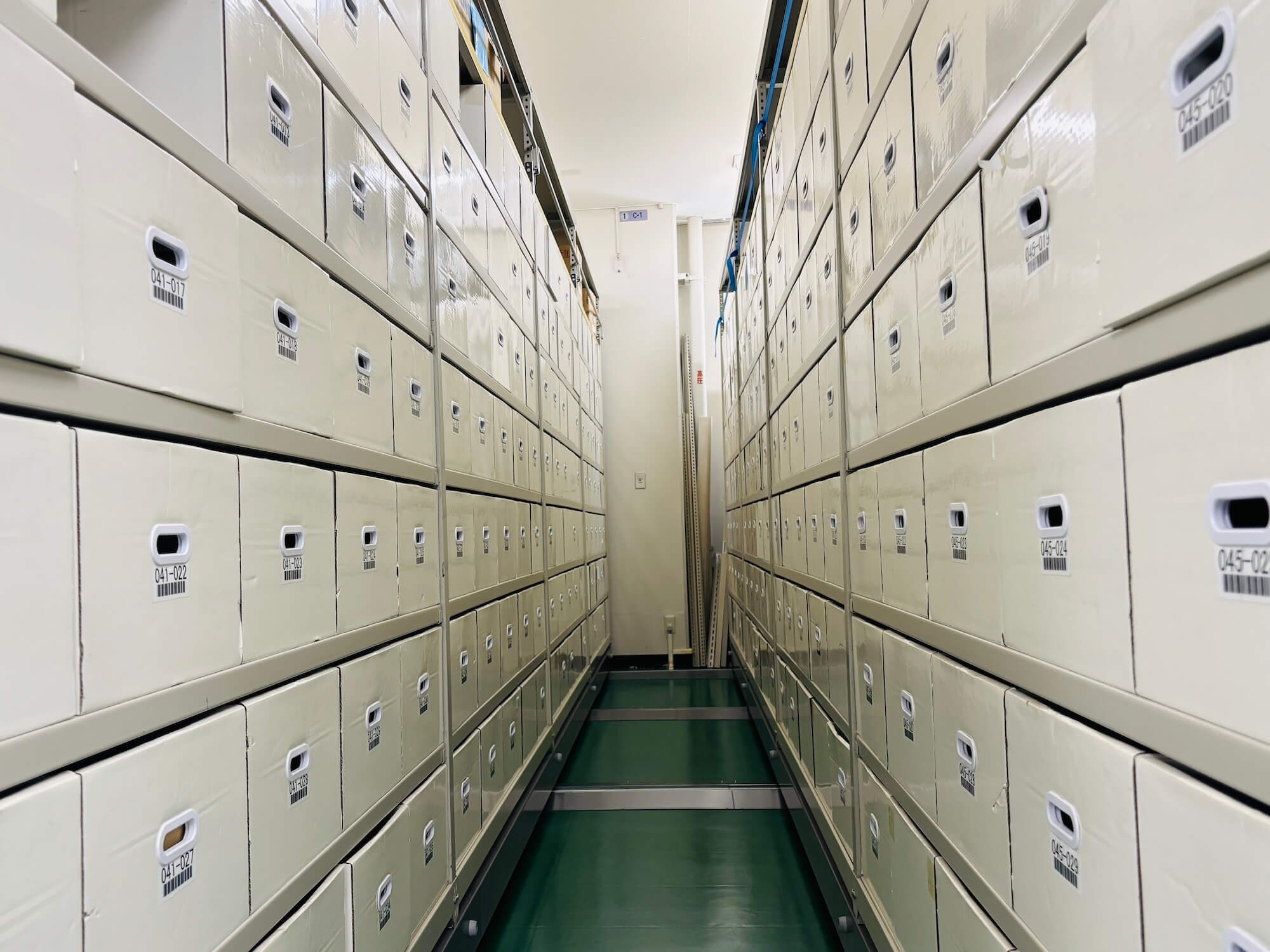
Walking through the ABU facility, a blend of pristine new interiors and legacy green flooring takes you back to the Panasonic Avionics’ roots
The ABU tour brings the scale of Panasonic Avionics’ investment into focus, but it is the people behind the production process who leave a lasting impression. Their pride in their work and care for each detail give meaning to the facility’s exacting standards.
In Kadoma, the familiar green flooring now shares space with the expansion’s fresh finishes, linking the company’s history with its next chapter. With more capacity and room for its workforce to grow, Panasonic Avionics is preparing for Astrova’s future—and investing in the people who will build it.
Kato says it is a never ending journey.
