
Panasonic Avionics redefines IFE retrofits with software-led upgrades
This is a special feature from the October 2026 MRO Europe issue of PAX Tech, on page 14.
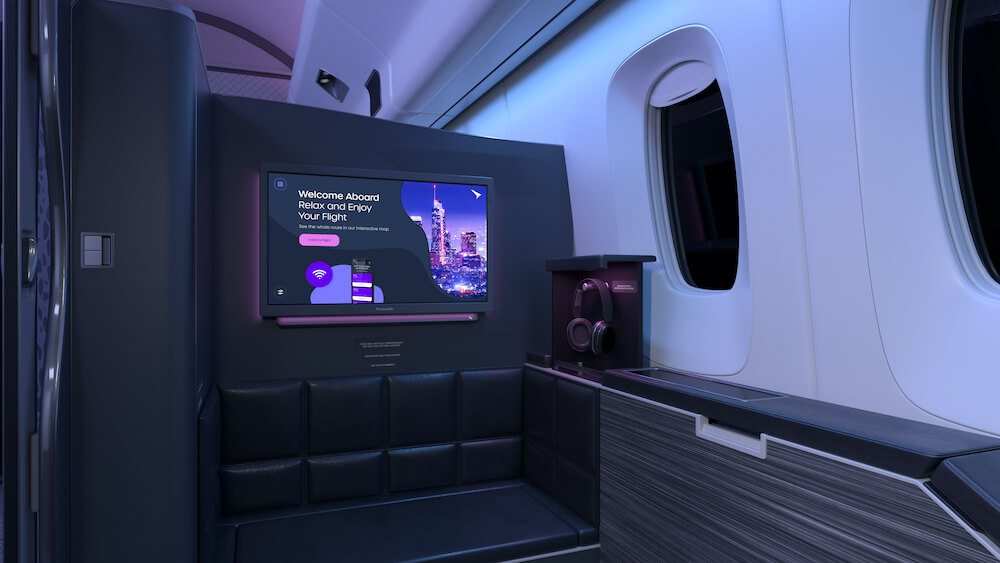
Astrova’s modern software makes upgrades to the passenger experience turnkey
As more inflight entertainment functionality moves from hardware into software, the definition of an IFE retrofit is expanding. Modernizing the passenger experience once required replacing an entire system. Airlines now have more options to upgrade without a full replacement.
For Panasonic Avionics Corporation (PAC), flexibility within the system is the key to futureproofing. Its Astrova solution, now flying on more than 30 airlines, reflects this deliberately modular approach.
Andy Masson, Senior Vice President Product & Strategy, PAC tells PAX Tech, “Our platform software helps airlines to increase velocity in changing and upgrading applications, content and their user interface. Then, as market demands warrant, airlines can selectively upgrade hardware where additional processing power, storage, connectivity or peripherals are needed.”
Astrova’s modern software makes upgrades to the passenger experience turnkey, enabling airlines to refresh the look and feel of the interface, improve personalization and other forms of digital engagement.
“Airlines need a practical path to align their passenger experience across diverse fleets without replacing seats, wiring or cabin infrastructure,” Masson explains. “Our platform approach paves the way for a modern digital experience at speed.”
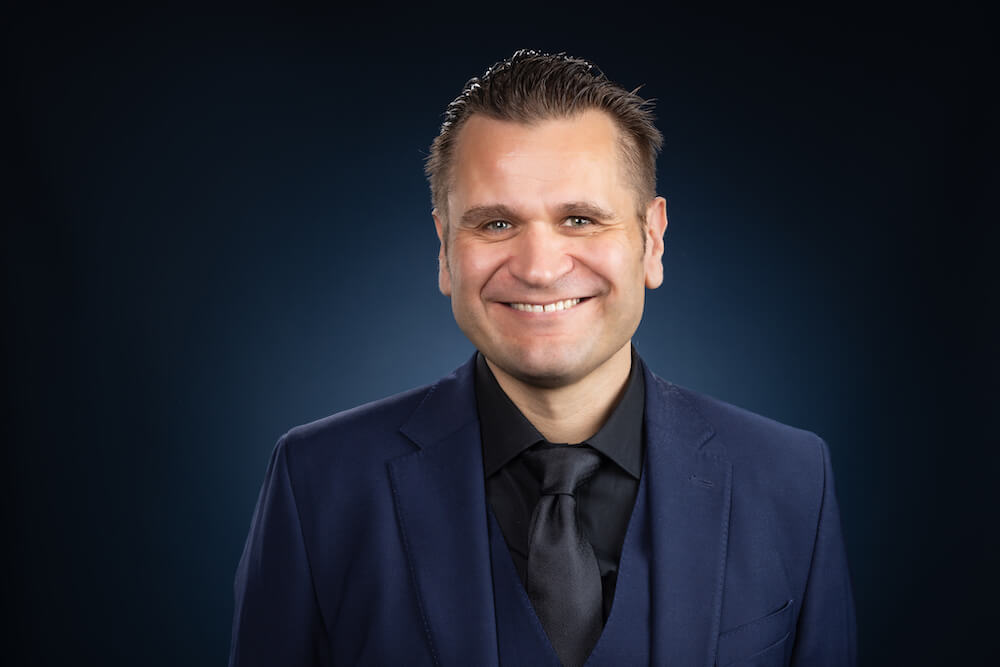
Andy Masson, Senior Vice President Product & Strategy, PAC
The result, he says, is a more targeted retrofit strategy where airlines can preserve parts of the installation that retain value and modernize the areas passengers interact with most frequently.
Standardizing software
“Our over-the-air distribution processes are poised to help airlines keep their digital experiences up to date like never before, changing the rhythm of passenger experience development,” Masson explains.
Software and content updates deliver the most visible improvements in the passenger interface and the software, content and design decisions that shape it. Refreshing visual identity, improving content discovery, introducing new applications, updating maps and destination content, refining advertising and retail experiences, and making the journey more intuitive are among the changes airlines can implement remotely or during routine maintenance.
Masson says some carriers may opt to build or deploy third-party applications. One example is BBC Player, a streaming platform designed by BBC Studios specifically for aviation. Announced in partnership with PAC at AIX 2026, the platform is set to launch later this year.
Software updates can improve Bluetooth performance, support more applications or preserve personalized settings. Deployment depends on connectivity, system configuration, certification requirements or the type of updates, he notes.
“Rather than waiting for the next major hardware program, our airlines can make smaller, more focused improvements throughout the operating life of their system,” Masson explains.
PAC’s standardized software platform model supports quicker and more reliable additions and updates to the system benefitting loyalty, revenue, enterprise integration and AI teams.
Astrova is now flying on more than 30 airlines
The hard(ware) conversations
For hardware retrofits, airlines should choose an IFE system that can evolve throughout the service life, Masson says. Processing capacity, memory, storage and OS support determine the scope for future softeware updates, while modular design allows component upgrades with less downtime.
“While every architecture will still have practical hardware and compatibility limits, our modular design and standardized foundation provide great flexibility to add capabilities over time,” Masson says.
PAC’s customers seek a consistent digital experience across aircraft types and generations. A common software and application environment makes passenger experience upgrades easier to introduce fleet-wide, Masson says.
“The objective here is not to eliminate future hardware investment completely,” he explains. “The intent is to make that investment more selective so that an airline can update the specific component that creates a constraint rather than repeatedly replacing the entire system and incur costs associated with the re-certification of the seat.”
Creating consistency
Software-led upgrades retain more of the existing installation than hardware retrofits, reducing physical work and potentially limiting recertification. The focus shifts to loading content, configuration and validation, although downtime varies with the installation and certification scope, Masson says.
He explains that the ideal balance between software and hardware is to make targeted hardware upgrades when performance becomes a constraint, and use software to evolve the passenger experience over time. An approach reflected by PAC’s eXNeo seatback screen, released earlier this year.
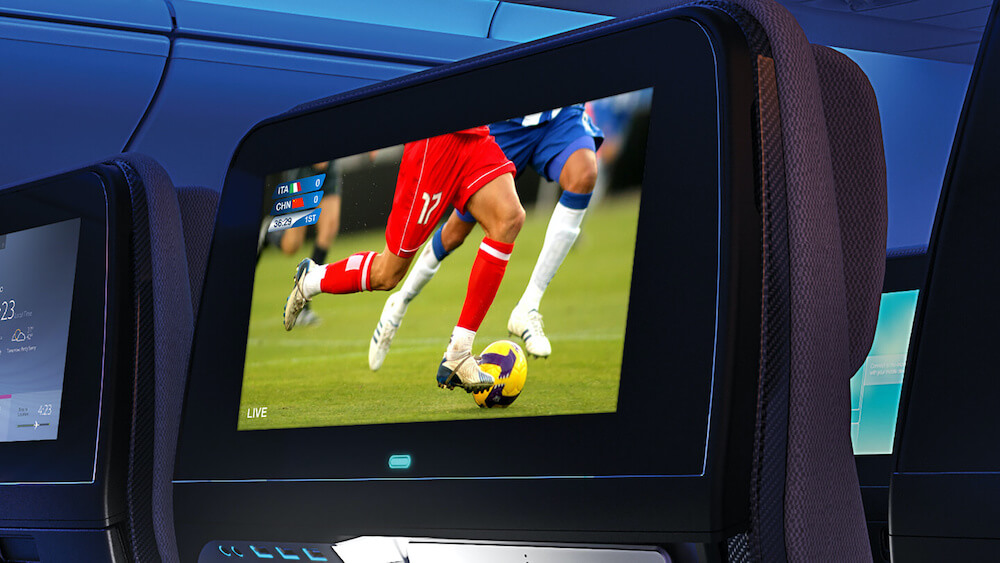
exNeo replaces legacy X-series monitors while retaining existing seats, hardnesses and mechanical interfaces
exNeo replaces legacy X-series monitors while retaining existing seats, hardnesses and mechanical interfaces. Its updated processing, storage, Bluetooth and Android capabilities create a stronger foundation for modern digital experiences and interactive content without requiring a full cabin overhaul.
“Our goal with eXNeo was to ensure existing X-Series customers with older aircraft could still deliver a similar digital experience as Astrova, albeit without 4K or OLED,” Masson explains. “eXNeo gives these X Series customers a clear path to enhance their digital engagement, extend the life of their cabin investments and deliver meaningful improvements to the passenger experience today.”
He adds that eXNeo solves this technology gap for many airline customers by offering a cost-effective means to deliver a common passenger experience across an airline’s fleet, but he reinforces that modular systems that can be upgraded over time, like Astrova, are the future of the commercial aviation industry.
Keeping the balance
Masson sees the future of IFE lifecycle management as a balance between flexible, modular hardware and continuous software improvements.
As applications become more demanding, airlines must ensure hardware can keep pace while using software to refresh the passenger experience more frequently.
“It is one of the main reasons we are so focused on modularity with Astrova,” Masson explains.
A modular, software-led approach can extend system lifecycles, reduce the need for full cabin replacements and deliver both cost and sustainability benefits by retaining existing architecture wherever possible.
“A more resource-conscious retrofit strategy is where Panasonic’s eXNeo seatback screen highlights this sustainability effort. The drop-in approach is specifically designed for existing seats, harnesses and other interfaces rather than requiring a full cabin overhaul and recertification,” Masson says.
