
Quvia turns inflight connectivity into a strategic asset for airlines
This is a special feature from the November 2026 APEX FTE EXPO issue of PAX Tech on page 23.
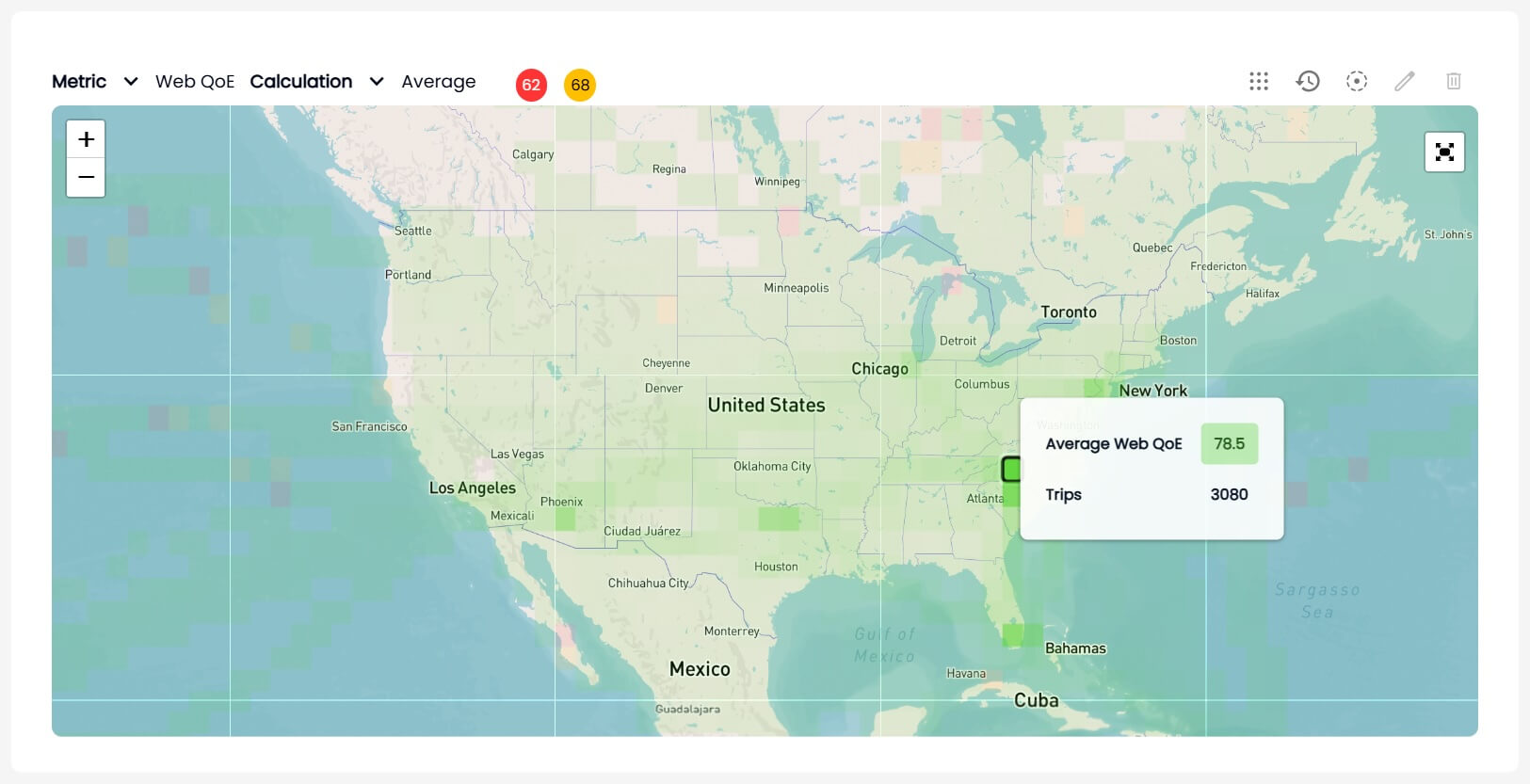
Quvia helps customers actively manage how connectivity is used and how data moves
LEO is transforming inflight connectivity. For airlines, the next step is turning greater bandwidth into a strategic asset driving richer passenger experiences. Quvia’s SVP, Aviation, Mike Moeller, tells PAX Tech how connecting onboard data can help.
“Airlines have valuable data coming from IFC, IFE, onboard applications and operational systems, but much of it is still managed separately. With more bandwidth available, there is an opportunity to bring that information together real time, in one place, and make it useful beyond the individual systems that generate it,” Moeller explains.
To make that work, airlines need an open, independent and flexible platform that connects systems and intelligently orchestrates connectivity and data around priorities.

Mike Moeller, SVP, Aviation, Quvia
Moeller says airlines need to consider these capabilities now, as next-generation connectivity investments are made.
“That is how you turn the aircraft into a strategic digital asset connected to the airline's wider operation,” he says.
Quvia already helps airlines gain independent visibility into IFC performance and passenger QoE. In cruise and offshore energy, Quvia also helps customers actively manage how connectivity is used and how data moves, providing a model for how airlines can go further and get more value from their IFC investments.
“LEO has dramatically expanded capacity for our customers in cruise and offshore energy,” says Moeller. “They are combining it with GEO, MEO and terrestrial networks. Multi-LEO options are emerging too.”
But more bandwidth does not eliminate the complexity of managing it.
He points to a cruise ship balancing passenger Wi-Fi tiers, crew connectivity and operational needs across networks with varying costs. Quvia helps operators allocate capacity, prioritize services and time data transfers while protecting the passenger experience.
Moeller sees the same opportunity for airlines: smarter management of connectivity and data can unlock new passenger services, improve operations and generate revenue, delivering greater value from their IFC investment.
While many airlines seek future-proof IFC investments, Moeller says there is no one-size-fits-all guarantee.
Instead, he places more value on what stays with the airline as technology changes: independent visibility into QoE, an open platform that gives them control of onboard connectivity and data, and the flexibility to introduce new providers, applications and services.
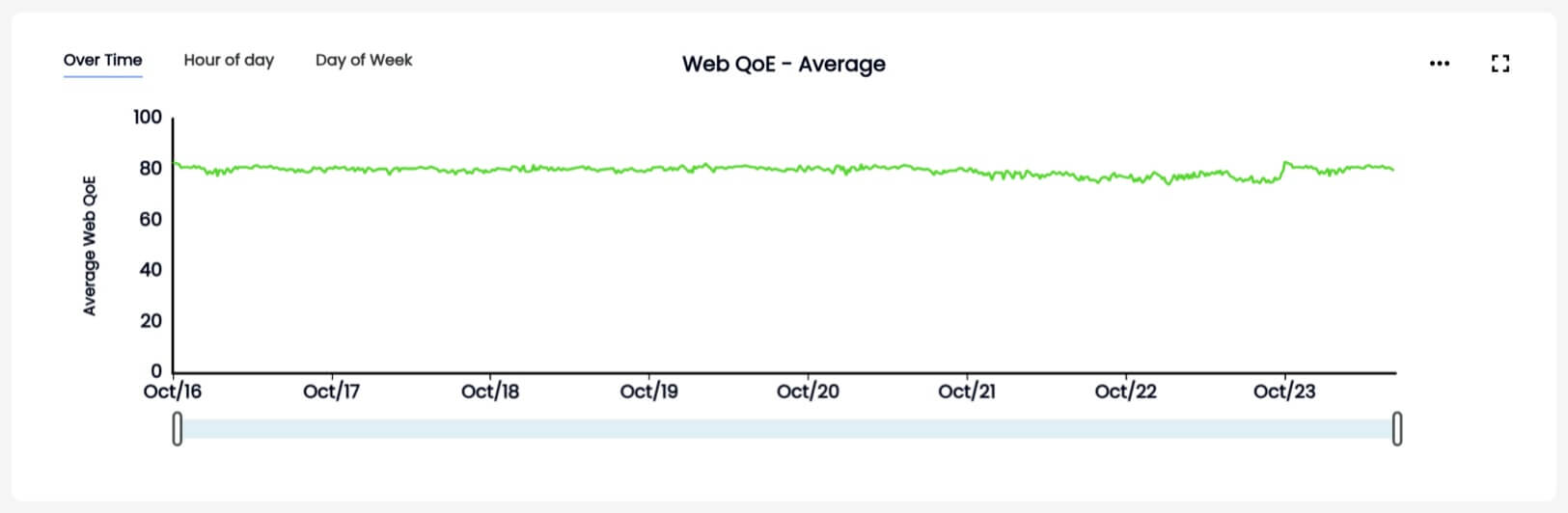
Quvia helps airlines gain independent visibility into IFC performance and passenger QoE
“Hardware and certification will always be part of aviation, but airlines should not have to rebuild how they manage the digital experience every time a new connectivity technology comes along. That is how they can keep taking advantage of what is next,” he explains.
At APEX FTE EXPO, Quvia will discuss how airlines can turn greater bandwidth into greater value.
“The real opportunity is to make connectivity a strategic part of how the airline operates and serves its customers,” says Moeller, who sees LEO as the foundation for new possibilities.
