
Viasat advances multi-orbit vision with consistent IFC
This is a special feature from the May 2026 Post-AIX/PAX Awards issue of PAX Tech, on page 84.
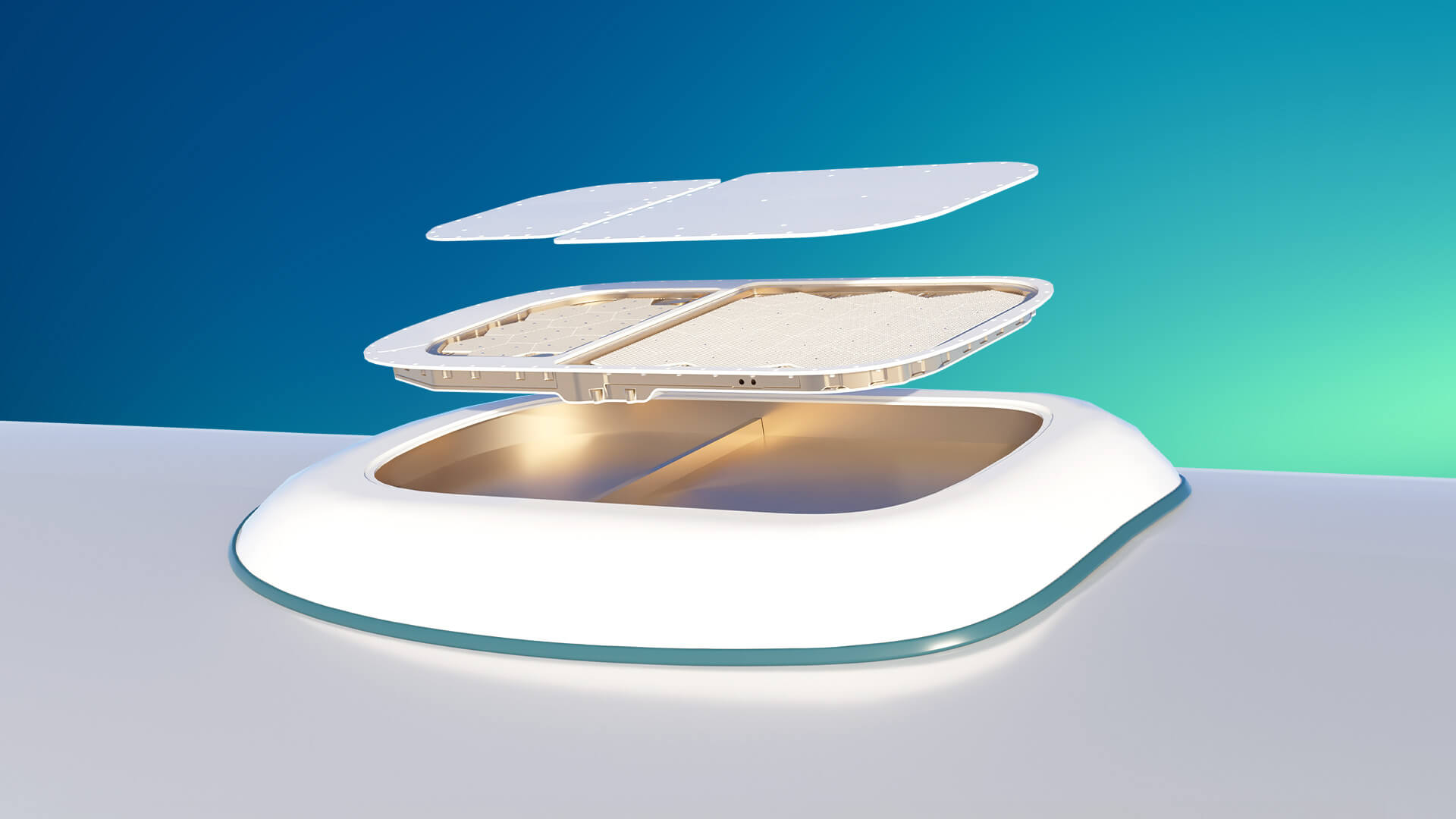
The Viasat AERA antenna has a low-profile design at 2.9 inches, reducing drag and weight
Viasat continues to innovate in the global inflight connectivity (IFC) space with its Viasat Amara roadmap, encompassing the different network interoperability, multi-layers of capacity, the acquisition of Inmarsat and the multi-year contract for Viasat to utilize capacity on Telesat's Lightspeed LEO satellite network.
Most recently, the roadmap also includes the unveiling of Viasat AERA, a key focus for Viasat at the Aircraft Interiors Expo 2026 in Hamburg, Germany, last month. Now in Boeing’s technical evaluation process for factory installation, the antenna will launch service in 2028.
As Viasat’s Laney Hind tells PAX Tech, “What is special about this antenna is that it is a true dual-beam simultaneous LEO and GEO, or NGSO, which means it is making real-time smart decisions moment to moment.”

Laney Hind, Senior Director Airline Programs, Viasat
For example, when a passenger opens an app such as Instagram, latency-sensitive traffic can be routed via LEO at the packet level, while high-capacity demand is simultaneously handled by GEO, Hind explains.
“That is truly exceptional for the passenger experience on board,” she adds, underscoring Viasat AERA’s future-proofing capabilities. Hind says the system is designed to leverage additional Ka-band capacity as new networks come online.
The antenna has a low-profile design at 2.9 inches, reducing drag and weight– an important factor for airlines as they focus on operational costs and fuel efficiency, Hind says.
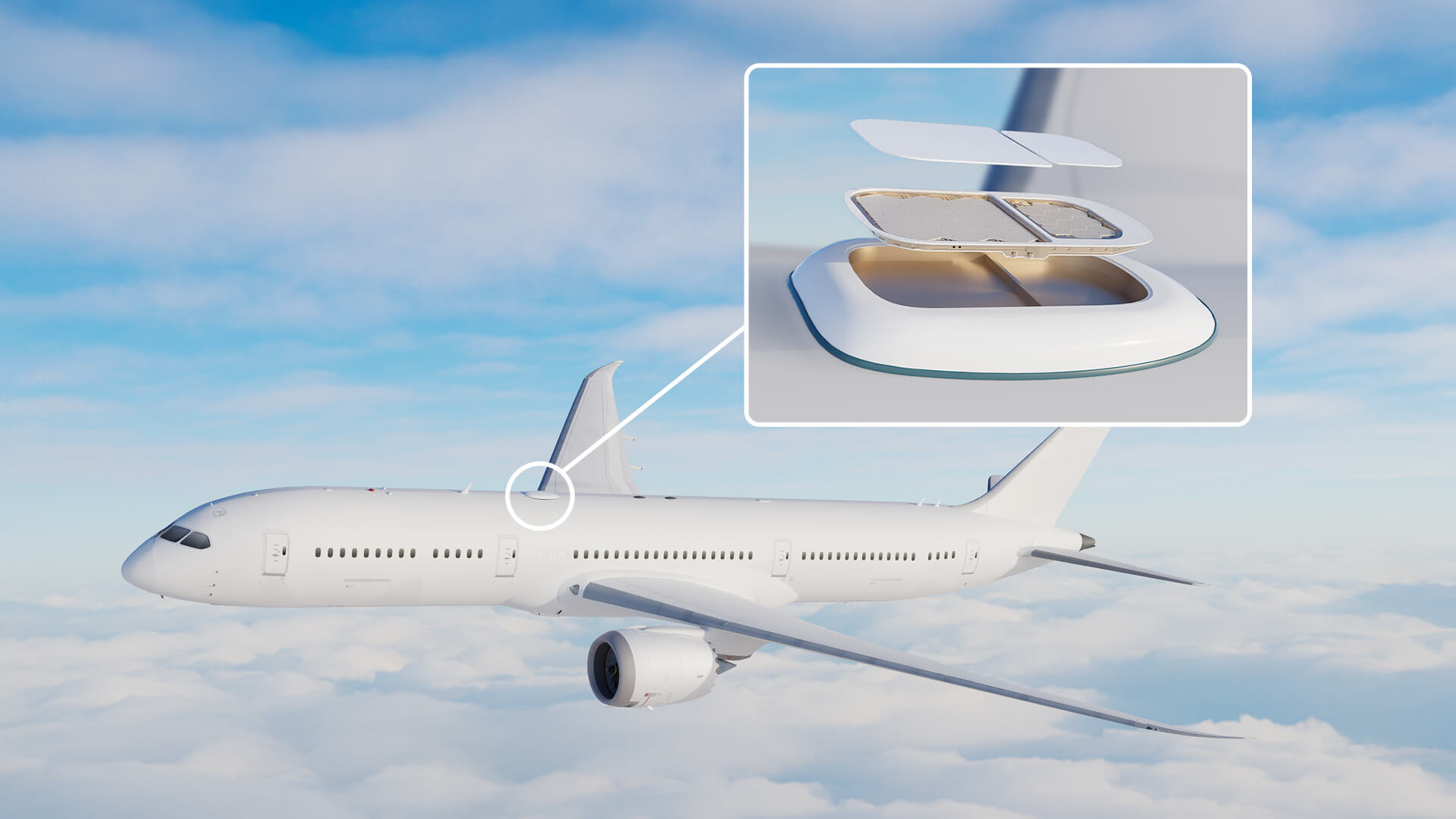
The Viasat AERA antenna has a low-profile design at 2.9 inches, reducing drag and weight
Viasat AERA’s simultaneous multibeam technology is designed to unlock true multi-orbit flexibility, with the terminal leveraging multiple satellite networks at the same time to ensure consistent connection across a wide range of geographies. For passengers, this means a more seamless experience from gate to gate.
As for the future of the roadmap, Hind says “it is built to evolve.”
With Viasat offering multi-orbit connectivity, she says the blend of LEO and GEO coverage offers the best experience for passengers, delivering flexibility while providing redundancy.
“Being able to utilize the best of different orbits to serve the passenger experience is the goal with [Viasat] AERA,” she explains.
Hind notes that while LEO delivers low latency, GEO can provide high-capacity coverage in high-density areas such as airports–a combination that provides reliability to airlines and passengers.
Connectivity bringing connection
When IFC is seamless and consistent, Hind says it becomes a platform that helps airlines implement other strategies, such as ancillary revenue via products or access to live TV events. She notes the “special” feeling of collectively viewing a live event while inflight.
“Whether that is via IPTV, wireless IFE or an airline portal–the airline wants the passenger to feel like they are having an on-the-ground experience while in the cabin,” she says.
Hind notes that Viasat’s hardware and network enhancements–from Viasat AERA to the recent launch of the ViaSat-3 F3 satellite–are all part of the connectivity roadmap that powers those “at-home” experiences while in the air.
“Airlines want to add value for passengers and they want to do it in a differentiated way. All these things serve that goal,” she concludes.
