
Quvia creates context with intelligent data movement
This is a special feature from the April 2026 AIX Hamburg issue of PAX Tech, on page 62.
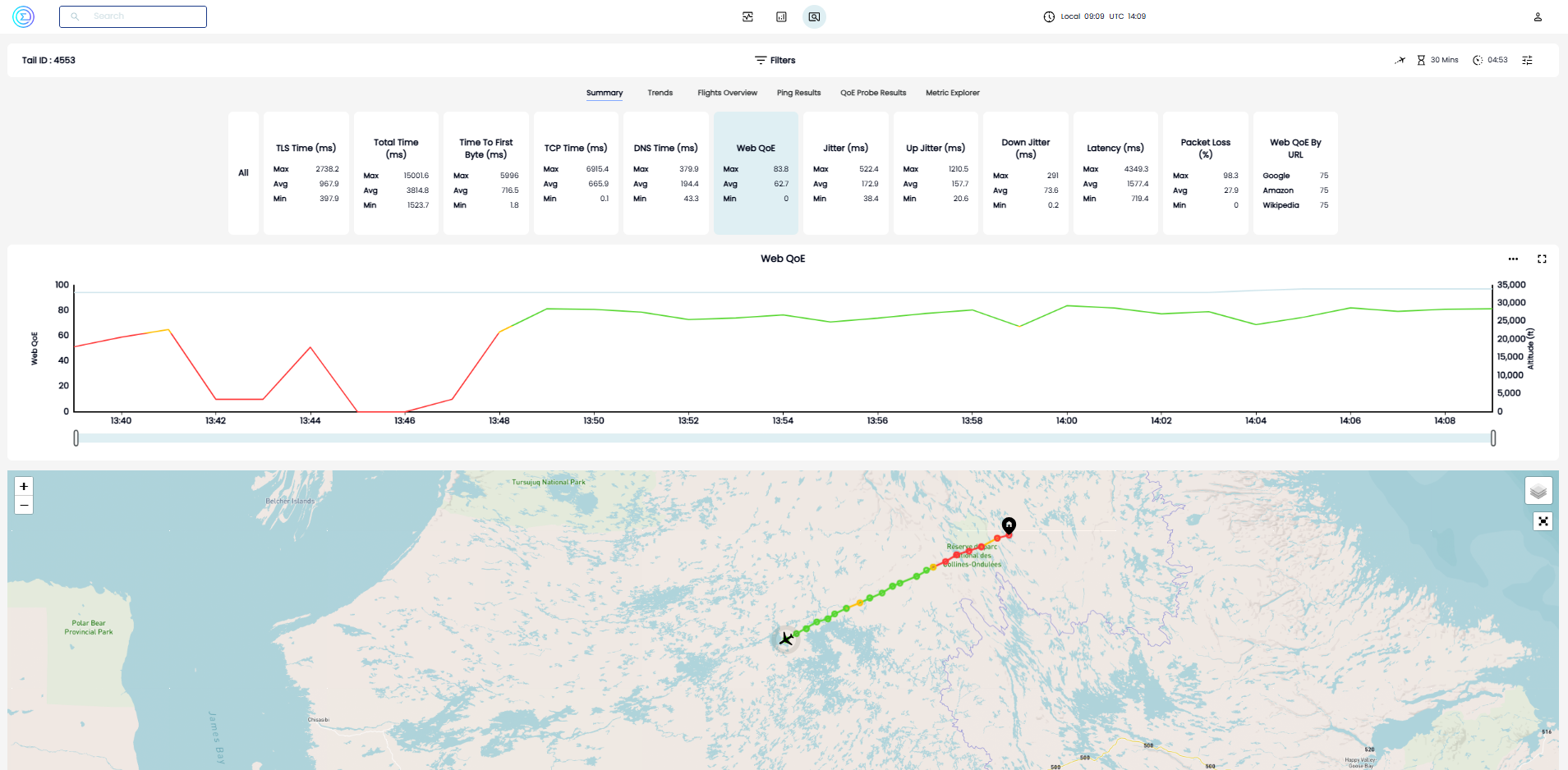
Edge intelligence allows airlines to act on data where it is created and with context
Reliable inflight connectivity may now be an expectation among passengers, but Benny Retnamony, Founder & CEO of Quvia, says the real differentiator for airlines will be how carriers use data and intelligence to shape the digital experience through open, flexible platforms.
According to Retnamony, in aviation, the Edge refers to the aircraft, positioning it as an intelligent platform that decides what data to prioritize, process locally and sync with the cloud. As such, the Edge and the cloud must work together to move data intelligently.
“[The Edge] is where applications run, operational systems live, where in-cabin passenger experience and IFEC systems run and where data is generated every flight,” he tells PAX Tech.

Benny Retnamony, Founder & CEO of Quvia
Edge intelligence allows airlines to act on data where it is created and with context. Ultimately, Retnamony says the goal is to unlock connectivity and data and create value above the network so AI can act on available information.
Quvia uses AI and machine learning to generate a proprietary Quality of Experience (QoE) score that gives airlines an independent, real-time view of how passengers experience connectivity and IFE.
“When you control the data movement between the aircraft and the cloud, you can build dynamic services and new commercial models at scale. That is how value is created above the network,” he says.
Data-driven personalization
Data unlocking allows carriers to deliver a more consistent, personalized experience to passengers by presenting the onboard digital experience as a connected ecosystem, rather than siloing the information. The airline can use these real usage patterns to inform decision-making.
“By breaking down these silos, personalization becomes something airlines design at scale rather than something they have to manage flight by flight,” Retnamony explains.
He emphasizes that more bandwidth does not create unlimited data mobility, underscoring demand for intelligent data movement between the Edge and the cloud. For Retnamony, the prioritization of which data should move, and when, begins with defining “high value” and aligning system behavior accordingly.
With access to the appropriate data, network-aware AI can treat performance as contextual, evaluating aircraft conditions such as route, market, time of day, application behavior, passenger demand and network conditions together. This allows the system to manage traffic behavior based on the current environment.
“The goal is not to generate more alerts; it is to enable earlier, informed action that stabilizes the digital experience,” Retnamony explains.
With Quvia, airlines can integrate one or multiple connectivity providers and manage that environment through a single orchestration layer. Once that foundation is in place, airlines can build on top of the network without impacting the passenger experience, turning IFC into a strategic airline asset.
“Our focus is to give airlines structural control over their connectivity stack and the flexibility to adapt as the technology and market continue to evolve,” he says.
