
AirFi connects intelligent aircraft cabins with software-driven IFEC approach
This is a special feature from the April 2026 AIX Hamburg issue of PAX Tech, on page 66.
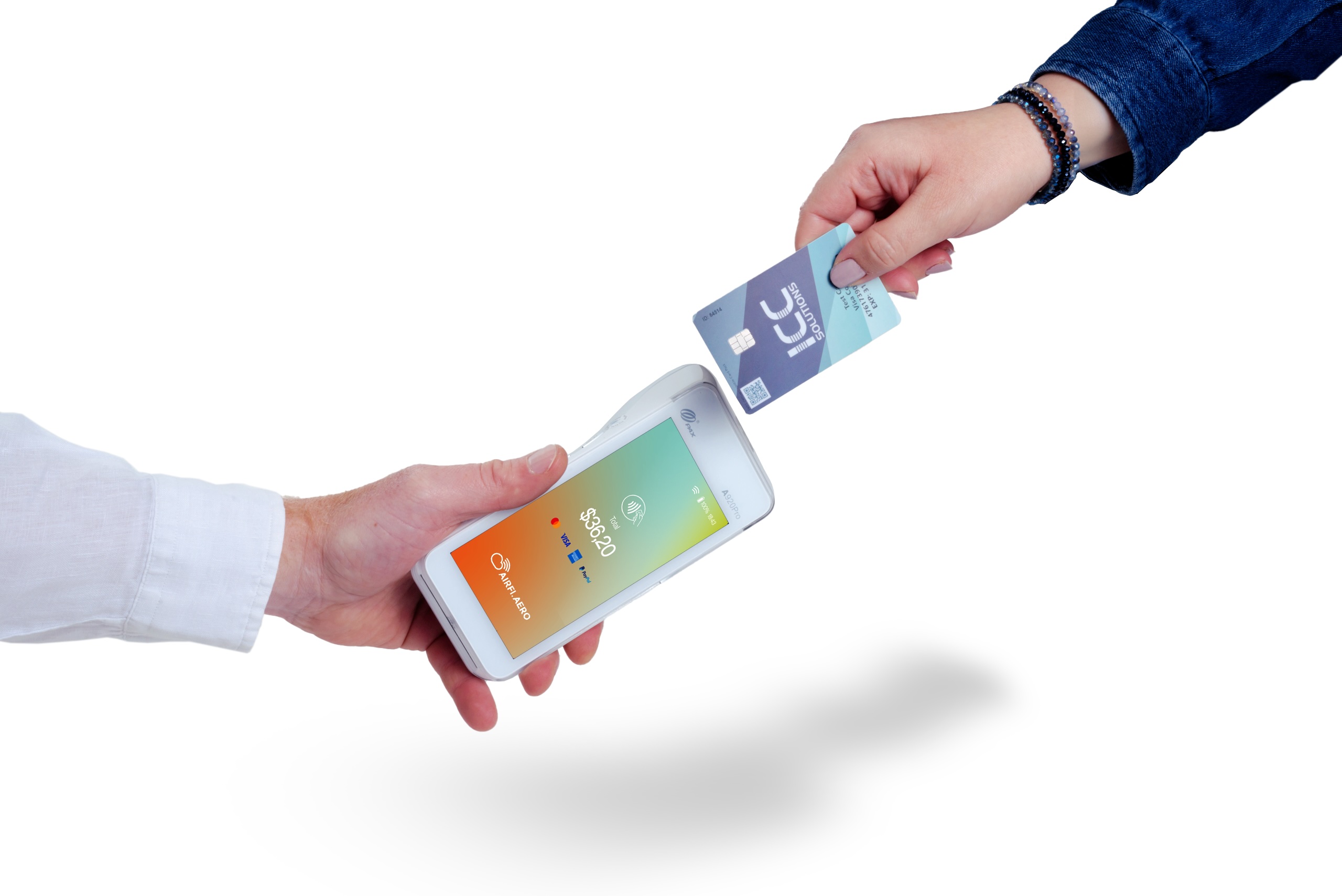
There is momentum toward hyper- personalized, data-driven IFEC experiences that generate higher ancillary revenue for airlines
At APEX TECH 2026 in Los Angeles, Laura Rösges, CEO at AirFi, spoke on the panel
“Inflight Touchpoints in the Digital Ecosystem: Advancing Integration and Intelligence,” where themes of a personalized, cloud-driven future for IFEC emerged. There is momentum toward hyper-personalized, data-driven IFEC experiences that generate higher ancillary revenue for airlines.
Panelists noted that, at present, personalization efforts are constrained by AI processing limits and operational realities, requiring collaboration among providers to deliver practical implementation strategies.
PAX Tech sat down with Rösges following the panel to discuss the architectural shifts needed to move from connectivity to intelligence in the connected cabin ecosystem.
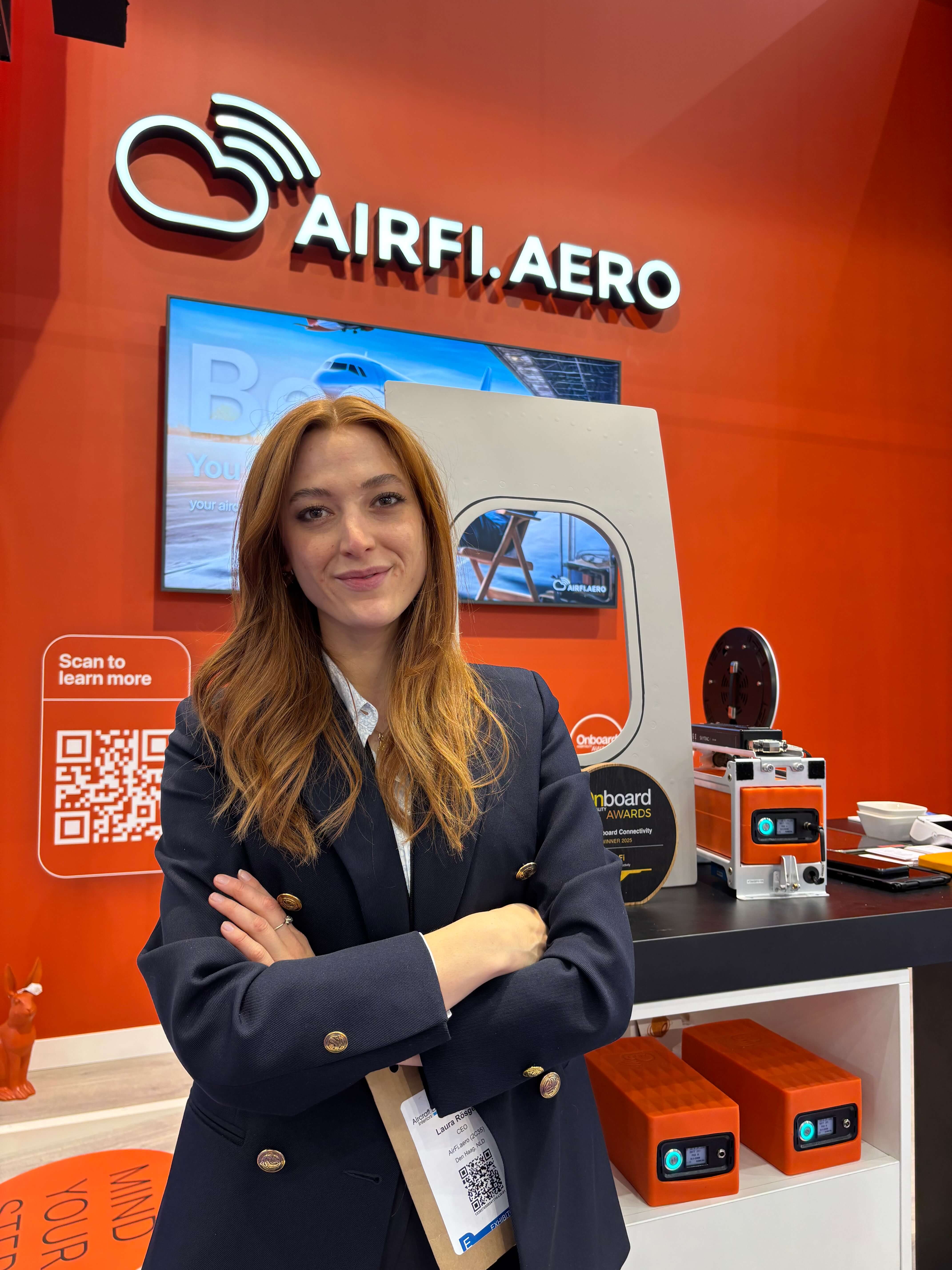
Laura Rösges, CEO, AirFi
“In order to go to the intelligence bit, you need to be able to process the information being captured. That very often has to happen locally. Right now, what aircraft and what ancillary hardware have is often not enough,” she explains. “[We] are building that additional infrastructure to be able to process, compute and playback.”
At AIX 2026, where the connectivity provider will showcase AirFi Wingman, Rösges hopes to see a willingness for this open dialogue and collaboration among suppliers.
The role of onboard data management
Rösges says that onboard data management plays “the essential and most integral role” in making content synchronization seamless across multiple devices inflight.
“The more connectivity you have access to, the smoother, the bigger your opportunities,” she explains, “But also, the more bandwidth you have, the more you will use, and eventually come to the end of the availability again. Being able to make a conscious choice on what data is important for the decision the passenger is making, is key.”
Rösges depicts what an inflight scenario using connectivity for entertainment, infotainment and an ancillary purchase in one journey could look like: Watching a movie, streamed on a phone, made available by additional hardware in the overhead compartment; making a purchase with an order to the seat, using the cabin Wi-Fi; then planning what to do at the final destination, using bandwidth.
A software-driven approach to IFEC allows airlines to deliver a more personalized passenger experience, optimizing bandwidth and power. Rösges notes that AirFi carefully decides which tasks are handled by AI.
“If you have connectivity, especially in a low bandwidth, you do not want to jam that with requests coming back and forth. What we do is if we have, for example, the LEO antennas that we provide, or we know that the aircraft is otherwise equipped, we pass on the request to the ground,” she explains.
The request is then processed and applied back to the device.
“We only allow you to do that for something that is either gamification, personalization or connected to ancillaries,” she says of AirFi’s approach. “We are not using up the available bandwidth for something that could be done locally.”
Rösges notes that providers can anticipate these scenarios by analyzing passenger demographics on specific airlines or routes.
“We can already do pre-selections of what could become relevant. Then if somebody requests it, it is basically broadcast to them,” she explains. “That gives you a little bit more leeway to operate with your constraints.”
Collaboration driving innovation
As inflight entertainment becomes more software-defined, Rösges says she expects the relationship between IFE, connectivity and the broader digital cabin will evolve to a more collaborative approach across the industry.
“My personal opinion is that in the short to mid-term, an airline will expect us to become part of a joint task force with other providers with everybody contributing their best, and the airline orchestrating it,” she reveals.
“All of us need to understand that in order to have an important role to play in that dialogue, we need to collaborate rather than defend.”
To futureproof cabin IFEC systems today, Rösges says airlines should prioritize understanding which investment or fleet type is the most important. She emphasizes that consistency in IFEC services across all route types can help minimize confusion for passengers, noting that finding a joint service layer and then communicating the airlines’ goals to providers should be the main focus.
Showcasing Wingman
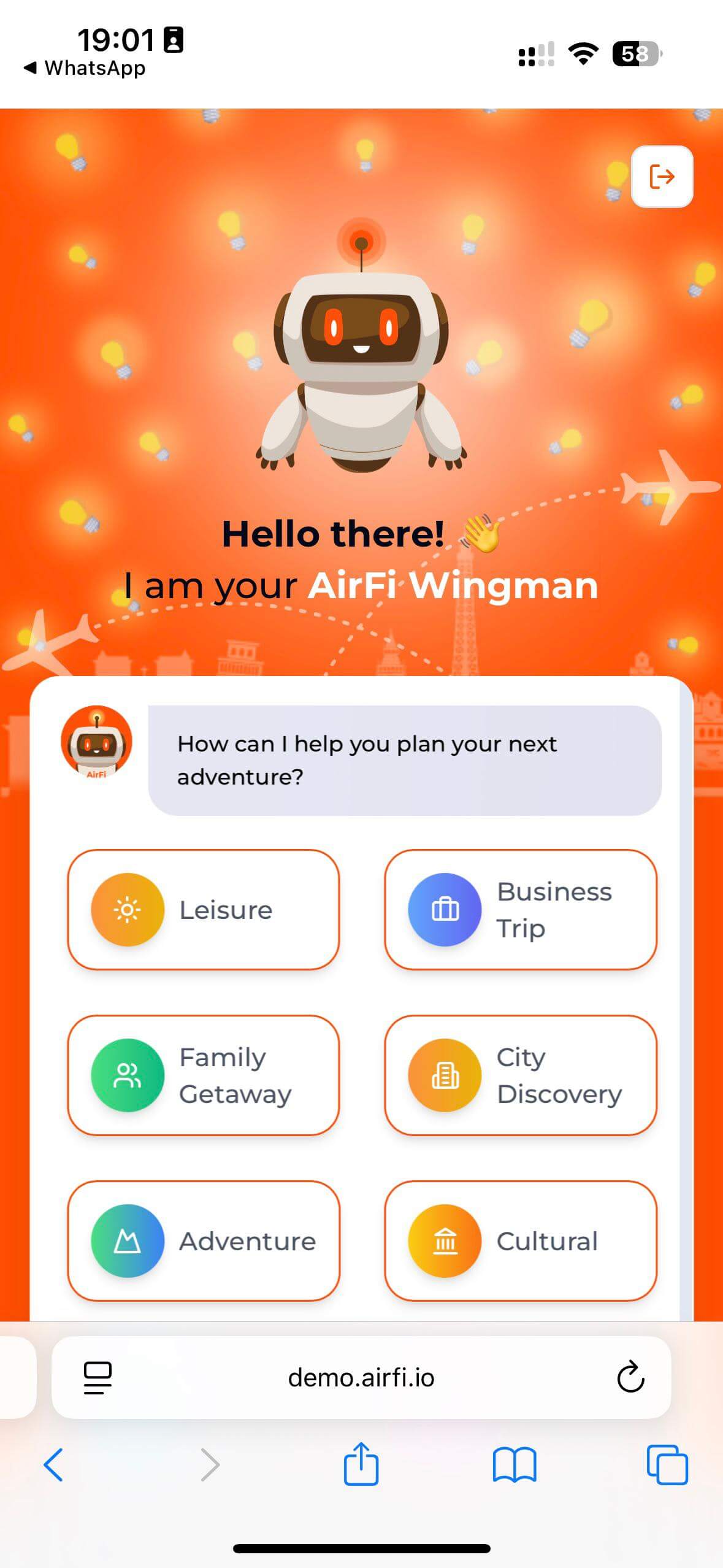
AirFi Wingman is an AI travel assistant designed specifically for the constraints and realities of the aircraft cabin
AirFi will showcase Wingman, an AI travel assistant designed specifically for the constraints and realities of the aircraft cabin, at AIX this month.
“At AirFi, our focus is on making the IFE journey more relevant and seamlessly integrated into the overall cabin experience. We work closely with our customers—primarily airlines, as well as rail operators—to help them extract maximum value from their IFE platforms. Through tools like Wingman, low-bandwidth optionality and smart cabin integration, we enable operators to deliver a more immersive and connected onboard experience,” Rösges concludes.
